
The calculated soil moisture anomaly in mm for September 21, 2026 — #Climate Prediction Center
The health of our waters is the principal measure of how we live on the land — Luna Leopold


Click the link to read the article on Aspen Daily News website. Here’s an excerpt:
September 15, 2026
A portion of the city of Aspen’s water allocation in Ruedi Reservoir will be utilized to support regional drought response efforts, according to an informational memo sent to the Aspen City Council last week. The city will make up to 350 acre-feet of its annual water allocation from Ruedi available to support drought response efforts. It has access to 400 acre-feet annually. The water will be used to assist the Colorado River Water Conservation District’s emergency substitute water supply plan, which provides supplemental water supplies for municipal and domestic historic user pool beneficiaries and other eligible water users whose supplies may not otherwise be fully available during current drought conditions.
“By making a portion of the city’s available contract water supply available for release, Aspen is helping maintain water supplies used to support municipal and domestic water users affected by the current drought conditions and administration associated with the Cameo call,” the memo states.
The Cameo call consists of a series of water rights on the Colorado River. It keeps water instream until it reaches the Grand Junction area, and can mean upstream diversions may need to shut down or release additional water into the river to meet the needs of the Cameo call. The release of the water also provides benefits to streamflows, aquatic habitats, fisheries and riparian resources within the Roaring Fork and Colorado rivers, according to the memo.

Click the link to read the article on the Grand Junction Daily Sentinel website (Dan West). Here’s an excerpt:
September 19, 2026
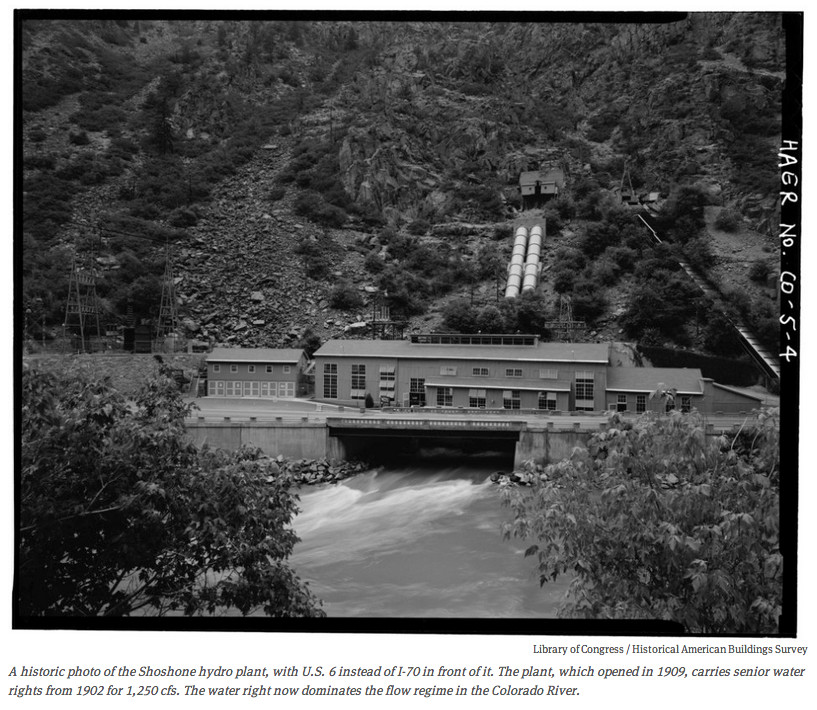
The proposed purchase of the Shoshone Power Plant’s water rights took center stage at the Colorado River District’s Annual Water Seminar held at Colorado Mesa University on Friday, Sept. 18. While much of the annual meeting covered the historic drought that threatened the Western Slope and the rest of the Colorado River Basin, the Shoshone effort was held up as an example of how to manage water rights. Colorado River District General Manager Andy Mueller devoted a section of his keynote speech to the effort to purchase the power plant and its senior water rights for $99 million.
“It’s been going on since this district was formed in the 1930s,” Mueller said. “We have been trying to gain control and ensure permanency of the water rights that command the river related to this little power plant in Glenwood Canyon.”
There has been positive progress on the purchase, Mueller said, including raising more than $97 million from local, state and federal partners. The district also got a positive decision from the Colorado Water Conservation Board [8-0 vote on instream flow application]. However, there is still more negotiations underway, he said…On the funding side, Mueller credited Sen. Michael Bennet and Rep. Jeff Hurd for helping to secure and get released $40 million in federal funding for the purchase. Bennet and Hurd sat down for an “armchair conversation” about Shoshone at the seminar Friday afternoon…After lunch, Hurd and Bennet sat down and gave each other credit for the bipartisan effort to get the $40 million in federal funding for the Shoshone purchase. Bennet insisted on its inclusion in the Inflation Reduction Act during the Biden administration…When the Trump administration came in, it funded tens of millions of dollars in funding approved through that legislation. Hurd said he worked behind the scenes to convince the administration to release the funding.
“Give Jeff full credit for that,” Bennet said. “He landed this plane because I wasn’t getting my calls returned from the Trump administration and he was. He told them it was his number one priority.”
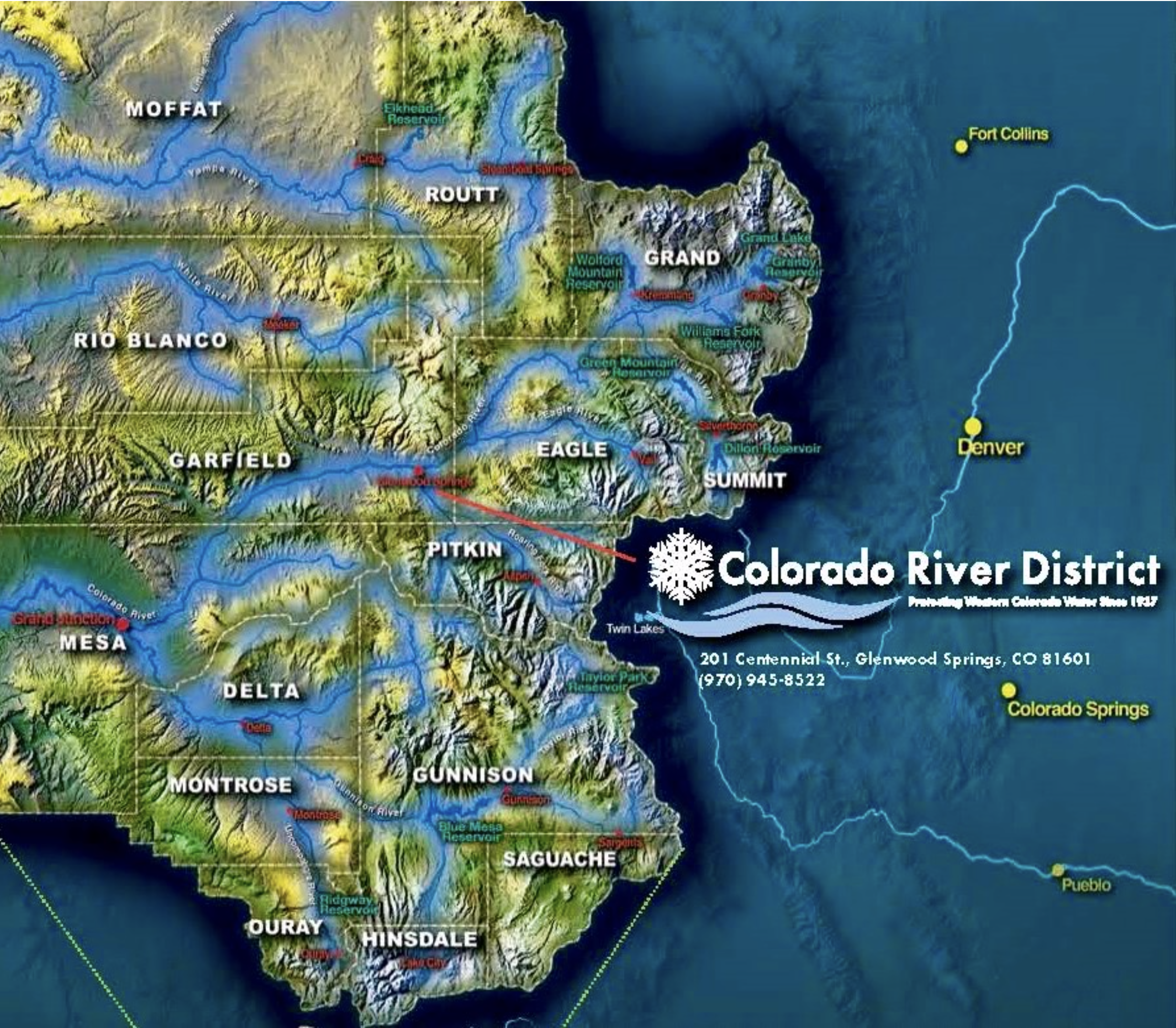

Click the link to read the article on the Grand Junction Daily Sentinel website (Dan West). Here’s an excerpt:
September 19, 2026
The Colorado River District’s Annual Water Seminar held at Colorado Mesa University on Friday, Sept. 18, naturally focused on this year’s historic heat and drought that left many on the Western Slope facing water shortages, but it also looked toward the future and the positive steps taken to address this year’s challenges…
“Unprecedented. Worst ever. Miserable. Warmest ever. Hottest ever,” [Andy] Mueller said. “You can keep going, but I want to also say that this was a year of extremely collaborative creativity in western Colorado. It is really important to recognize that, applaud that and make sure we grow that, because it is how we get through tough times. It’s how we’re going to survive and thrive in the future.”
[…]
Mueller highlighted the collaboration between communities, irrigation companies and water users throughout the district. He said there were many efforts that helped extend the irrigation season…
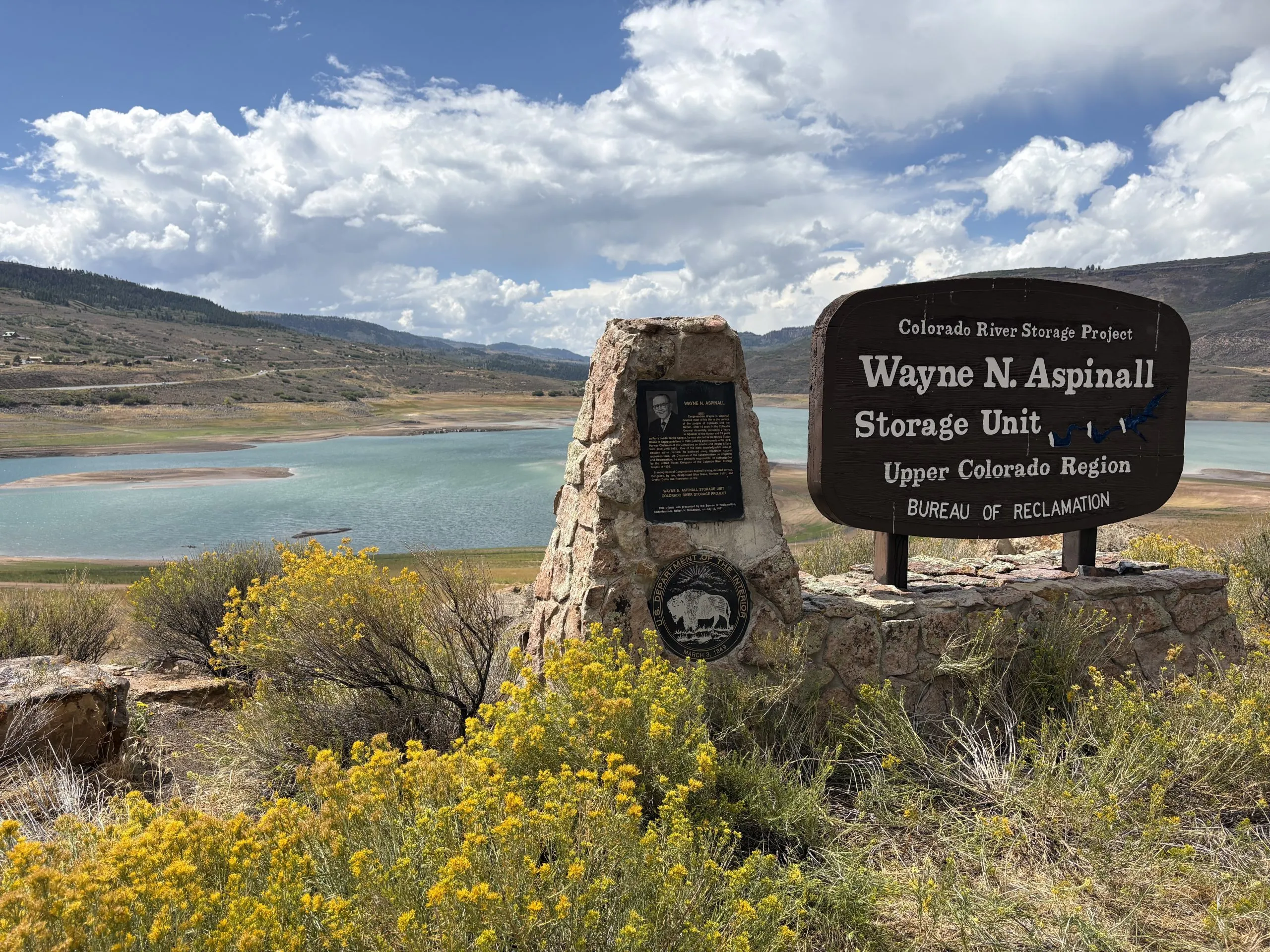
There were also areas, especially in the North Fork Valley and the Gunnison River, that have seen severe impacts from the drought. Colorado’s largest reservoir, Blue Mesa, is also in a dire condition, he said.
“On the Gunnison, there’s a train wreck that is accelerating at Blue Mesa,” Mueller said. “We are working with the U.S. Bureau of Reclamation, Uncompahgre Valley Water Users and the Upper Gunnison Water Conservancy District to try to figure out solutions. But that reservoir, if anybody hasn’t seen it recently, is not just one reservoir anymore. It’s a bunch of little pools. It has dried up.”
[…]
Facing the challenges the future presents won’t be easy, Mueller said, but the next generations will depend on work done now.
“When I talk to my daughters who are in their 20s, they and their friends are absolutely scared for their future,” Mueller said. “They are extremely intelligent, they’re paying attention, but they look at this tremendous uncertainty that we have created in our society and in our globe. They need our help, helping them see the future. That is our job to do that.”

by Robert Marcos, photojournalist
For 73 years Emery Kolb and his brother Ellsworth lived and worked at the Grand Canyon, as photographers. The brothers operated Kolb Studio which was located on the South Rim next to the Bright Angel trailhead. During their time there the brothers photographed one and a half million tourists, and were the first to use a movie camera to capture the majesty of the Colorado River as it flowed through the canyon.1
Emery Kolb died on December 11, 1976. In his obituary the New York Times said, “Over the years Kolb had become such an integral part of the Grand Canyon experience that tourists had begun to take pictures of him, instead of him taking pictures of them.”
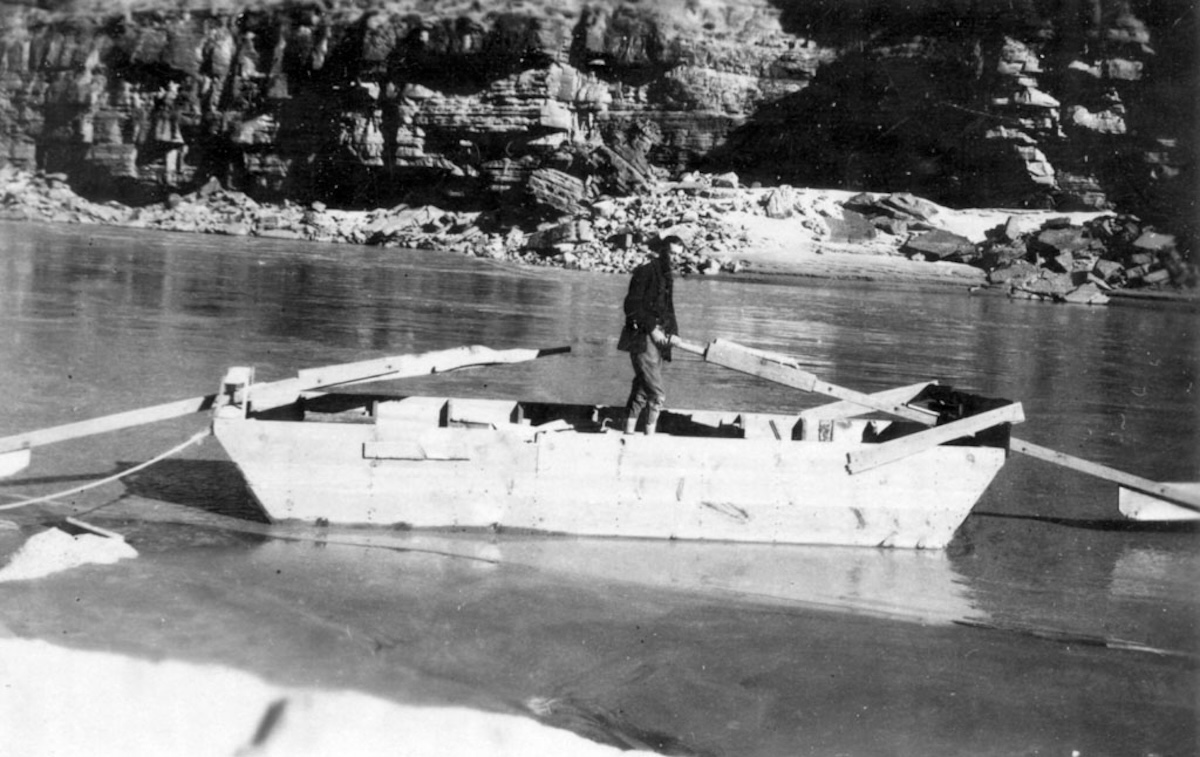
Two of the people Emery Kolb had photographed 50 years before were newlyweds who’d been married in Twin Falls Idaho. Glen Hyde and Bessie Haley had decided to spend their honeymoon floating down the Colorado River in a boat that Glen Hyde had built specifically for that purpose. The couple began their adventure at Green River Utah and tied their boat up at the Grand Canyon’s Bright Angel Creek on November 15, 1928. They hiked 9 miles up to the South Rim to buy supplies. On their way back they stopped at Kolb Studio and were photographed by Emery Kolb. Kolb and others noticed that Bessie seemed to be completely exhausted and was ready to quit the grueling trip. Kolb urged the couple to wear life jackets, and offered to let them stay for the winter, but Glen refused. At that point the couple had already completed 424 miles of their 750 mile long voyage to Needles California – where Glen’s father was scheduled to meet them.2

Three weeks later Glen’s father arrived in Needles and then waited several days for the couple to arrive. When they didn’t he contacted the police and reported them missing. A massive air and ground search got underway and eight days later an aircraft spotted the couple’s abandoned boat intact and floating upright near river mile 237. However the authorities had great difficulty reaching the boat because it was floating in an extremely remote area surrounded by high cliffs that afforded no access from the land.3
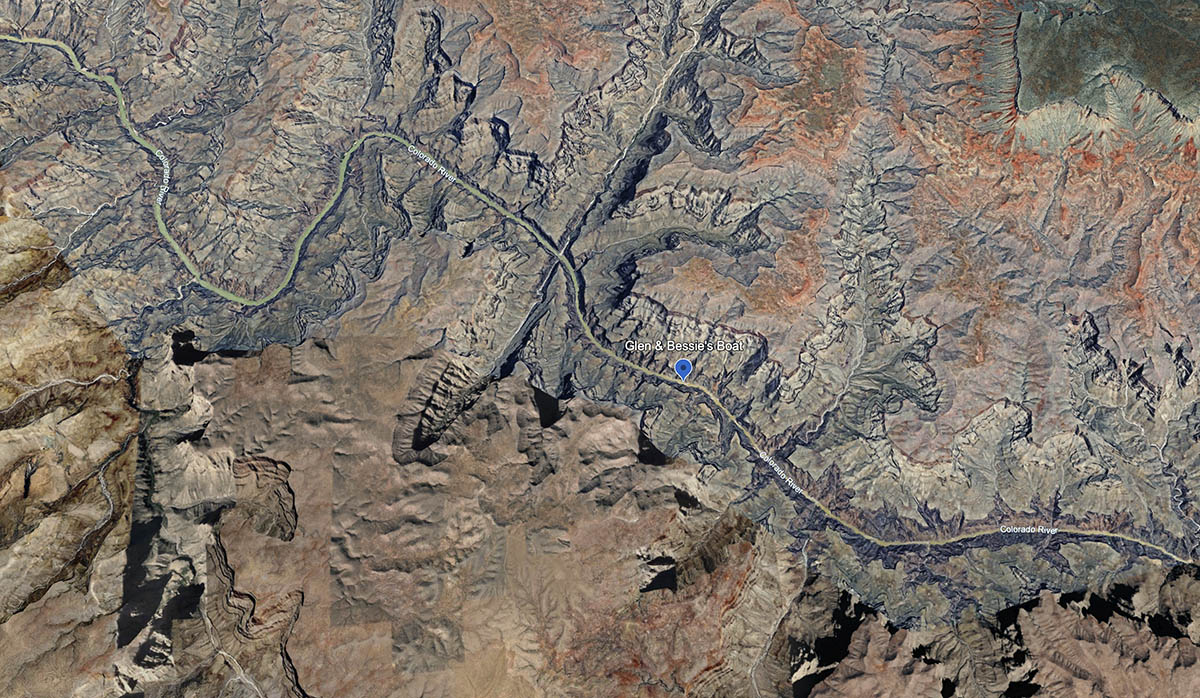
To reach the area, Emery Kolb led a search party that included Grand Canyon Chief Ranger James Brooks, and John Hyde, (Glen father), to Peach Springs, Arizona. From there, Emery and Chief Ranger Brooks hiked 22 miles down a sandy wash to reach Diamond Creek, on the Colorado River. Emery’s brother Ellsworth joined the two men the following day. The men worked together to repair an old flat-bottomed boat that had been abandoned in Diamond Creek. When it was repaired the next morning they floated downstream for 14 miles until they reached Glen and Bessie Hyde’s boat, called “Rain-in-the-Face”, which they found upright and fully stocked.4
As Chief Ranger Brooks searched along the riverbank Emery and Ellsworth Kolb examined the contents of the boat. They were looking for anything that would give them an idea of what had happened to the young couple. But they came up with nothing. The boat was not only seaworthy, but it was fully stocked with food, clothing, campling supplies, and personal items including Glen’s wallet, money, and rifle, plus Bessie’s camera and her personal diary. By the end of the day the extensive examination carried out by the three men had found absolutely no evidence of foul play.5
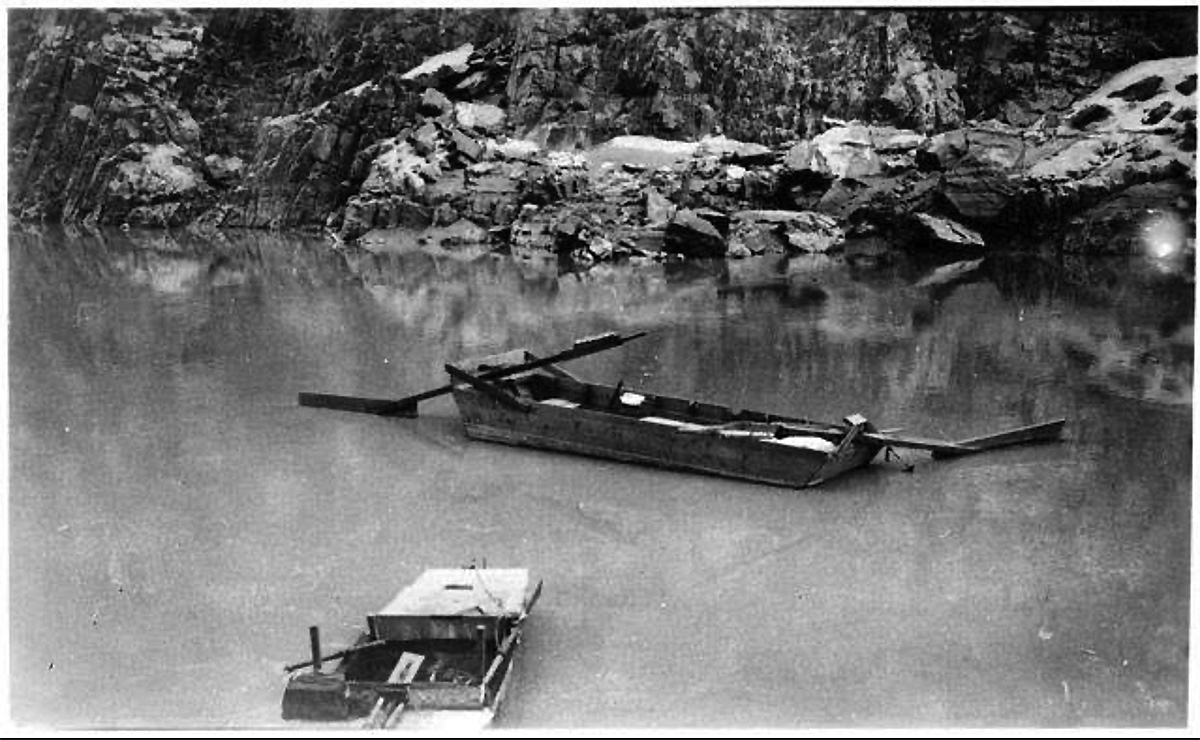
The reason that the Hyde’s boat had stopped at its remote location wasn’t because of damage, or because of an eddy, it was because a rope that had been trailing off its stern got snagged by large rocks under the surface. Therefore when the Kolb brothers had completed their search and had transferred the Hyde’s more valuable possessions onto their own boat, they cut the rope that had – for a month – held the Hyde’s boat in place. Less than ten minutes later the craft floated downstream into a rapid, broke apart, and sank.6
In retrospect there was no reason for the brothers to have cut the boat loose. The boat had proven itself seaworthy and could’ve been put to good use elsewhere, or even returned to its owners if they had shown up later. The brothers had to have considered that possibility unless they knew otherwise. A conspiracy story that had begun to circulate suggested that the brothers had cut the rope in order to eliminate evidence that might’ve connected them to the Hyde’s disappearance.
In 1977 – about a year after Emery Kolb’s death, Emery Kolb’s grandson finally began to clean out his grandfather’s boathouse. He was about halfway done when he found a dusty bundle that had been hidden up in the rafters, inside an old canoe. When the young man unwrapped the bundle he found that it contained a human skeleton. The Sheriff was notified and deputies who arrived at the scene found a bullet hole in the skeleton’s skull. The discovery made headlines: which fueled even more speculation that the Kolb brothers had in some way been involved in the young couple’s disappearance.7
The “Kolb Skeleton” as it became known was transferred from the Cococino County Coroner’s Office to a forensic anthropologist at the University of Arizona named Dr. Walter Birkby. The first finding that Dr. Birkby released was that the skeleton belonged to a man, who was 22 years of age or younger. Dr. Birkby also determined that the man had died in 1932 or later, and that the skeleton had belonged to a man who was significantly shorter than Glen Hyde was. 8
In 2006, several hundred historical photographs were donated to the Grand Canyon Museum Collection by the son of a former park ranger. Among these images were several depicting the skeleton of a man that had been found on a ledge under the canyon’s rim near Shoshone Point on June 4, 1933. The man had a single bullet hole above his right temple and was found to have shot himself. The pictures, along with a Superintendent Report from June 1933, were used to determine that the body found in 1933 was the same as the one discovered in 1977. Emery Kolb was a jury representative for the Grand Canyon region in Coconino County for several years, and it is now believed that he may have been asked to hold onto the remains for safekeeping. The remains that are currently identified as the “Kolb Skeleton” continue to be tested at the Ramapo College of New Jersey. 9
Click the link to read the article on the Aspen Daily News website (Drew Shaw). Here’s an excerpt:
September 19, 2026
Colorado water experts and elected officials urged collaboration across industries, borders and political parties as the Western Slope seeks sustainable water systems that will serve future generations. The year’s unprecedented statewide drought won’t be the last, speakers said throughout Friday during the Colorado River District’s annual water seminar on Friday (September 18, 2026) in Grand Junction.
“We can’t run from it — we have to learn from it,” said Andy Mueller, the district’s general manager, during the event, which was held at Colorado Mesa University.
Communities and entities made sacrifices to ensure the region’s water needs were met. Reservoirs, such as Ruedi Reservoir east of Basalt, have been drawn down at faster rates than normal, municipalities have led water conservation campaigns and farmers across the valley have needed to settle for significantly smaller crop yields…The river district has for years sought the means to buy from Xcel Energy the Shoshone water rights, the oldest and largest non-consumptive water rights on the Colorado River. In acquiring the rights, the river district would prevent any other potential buyers from diverting the water from Western Slope communities…The agency has raised about $97 million of $99 million for the acquisition, $40 million of which comes from federal funds. Those federal dollars, which were secured by the state’s Democratic senators under the Biden Administration, were frozen in 2025 under the Trump Administration. Earlier this year, U.S. Rep. Jeff Hurd, R-Grand Junction, worked successfully to release the funds.
“That’s the kind of collaboration we need in Congress and in our communities,” Mueller said…
Mueller said the state’s future water security depends on finding sustainable systems to manage the water it has now.
“How can we adapt to uncertainty and rising temperatures and reduced streams?” he asked. “We don’t need to argue about whether or not that’s happening. We need to focus on the future and figure out solutions.”
Click the link to read the article on The Land Desk website (Jonathan P. Thompson):
September 14, 2026
Good morning and welcome to another edition of the Land Desk Newswire. The Trump administration is continuing to convert its fossil fuel fetish into real-world, deeply consequential policy, this time by eliminating greenhouse gas emissions limits for coal- and gas-burning power plants. Meanwhile, the BLM moves forward with selling a sizable chunk of public land to bolster Las Vegas sprawl under a 1998 law.
🐓 REGULATORY CAPTURE CHRONICLES 🦊
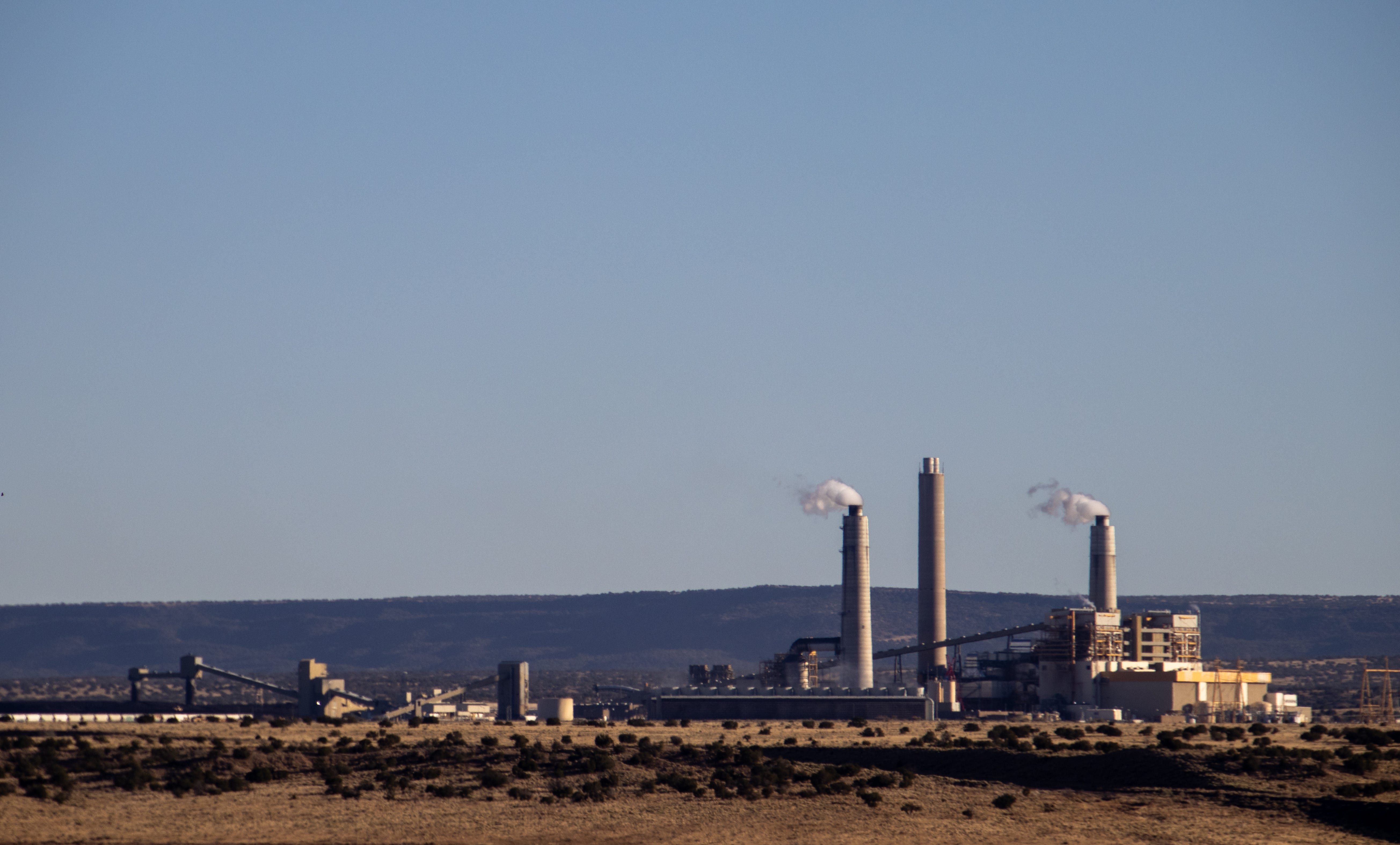
- The Trump administration moves to axe Obama- and Biden-era regulations limiting fossil fuel power plants’ greenhouse gas emissions, meaning coal and gas plants will be able to spew planet-warming carbon dioxide without restraint. This could extend the lives of some coal plants, and will help clear the way for the fleet of new gas plants being developed to power hyperscale data centers. While the original rules required facilities to reduce carbon emissions, they also would have kept soot and other health-harming pollutants out of the air, preventing an estimated 1,200 premature deaths per year. Earlier this year the administration rolled back stricter limits on mercury emissions from power plants. (New York Times)
🌵 PUBLIC LANDS 🌲
- The Bureau of Land Management sells 940 acres of public land in southern Nevada to the City of Las Vegas, clearing the way for a 6,000-home master-planned community on the northern fringe of the metro area adjacent to Tule Springs Fossil Bed National Monument. The sale was authorized by the 1998 Southern Nevada Public Land Management Act, which allows for such “disposals” of federal land in a congressionally designated boundary. It merely whetted Gov. Joe Lombardo’s (R) appetite for snatching more public land, however, who said he will work to “unlock more federal land for housing.” It’s not clear whence the water will come for this sprawling new development in one of the nation’s more water-constrained cities; the state faces potential further reductions of Colorado River water under the new federal plan. (news release)
- A new poll finds that two-thirds of Utah voters support restoring protections to the original, pre-Trump-shrinkage boundaries of Bears Ears and Grand Staircase-Escalante national monuments, and an even larger proportion supports tribal nations having a role in managing ancestral lands. (news release)
🥵 ARIDIFICATION WATCH 🐫
- Wyoming researchers say warm water and drought-reduced streamflows may be behind a kidney-damaging parasite killing hundreds of whitefish in the Salt River this summer. The tributary of the Snake River has experienced some of its lowest flows on record this summer, and it was already plagued with E coli bacteria as a result of heavy livestock grazing in the watershed. (WyoFile)
⛏️ MINING MONITOR ⛏️
- The Cibola National Forest launches its environmental review of Energy Fuels’ proposed Roca Honda underground uranium mine on about 370 acres of USFS, state, and private land northeast of Grants, New Mexico, and near the base of Mt. Taylor. Ore would be hauled by truck to the White Mesa Mill in southeastern Utah for processing. Public comments will be accepted here until Oct. 14. (agency news release)
- IsoEnergy, which owns the Tony M, Dineros, Rim, and Sage Plain uranium mines in southern Utah, agrees to merge with DISA, a startup that looks to use high-pressure slurry ablation technology to pull uranium out of abandoned mine waste piles, to create a “technology-enabled US uranium platform for production, processing, and remediation.” DISA’s attempts to process small waste piles in Western Colorado have yet to come to fruition, and Iso’s bid to reopen the Tony M mine near Ticaboo, Utah, has moved forward only in incremental steps. (World Nuclear News)
- Union Pacific Railroad begins hauling coal from Powder River Basin mines to the Port of Guaymas in Sonora, Mexico, where it could be shipped to Asia. The new export node allows the industry to get around environmental opposition to coal exports along the West Coast, but its viability depends on demand. (Trains)
🐟 COLORADO RIVER CHRONICLES 💧
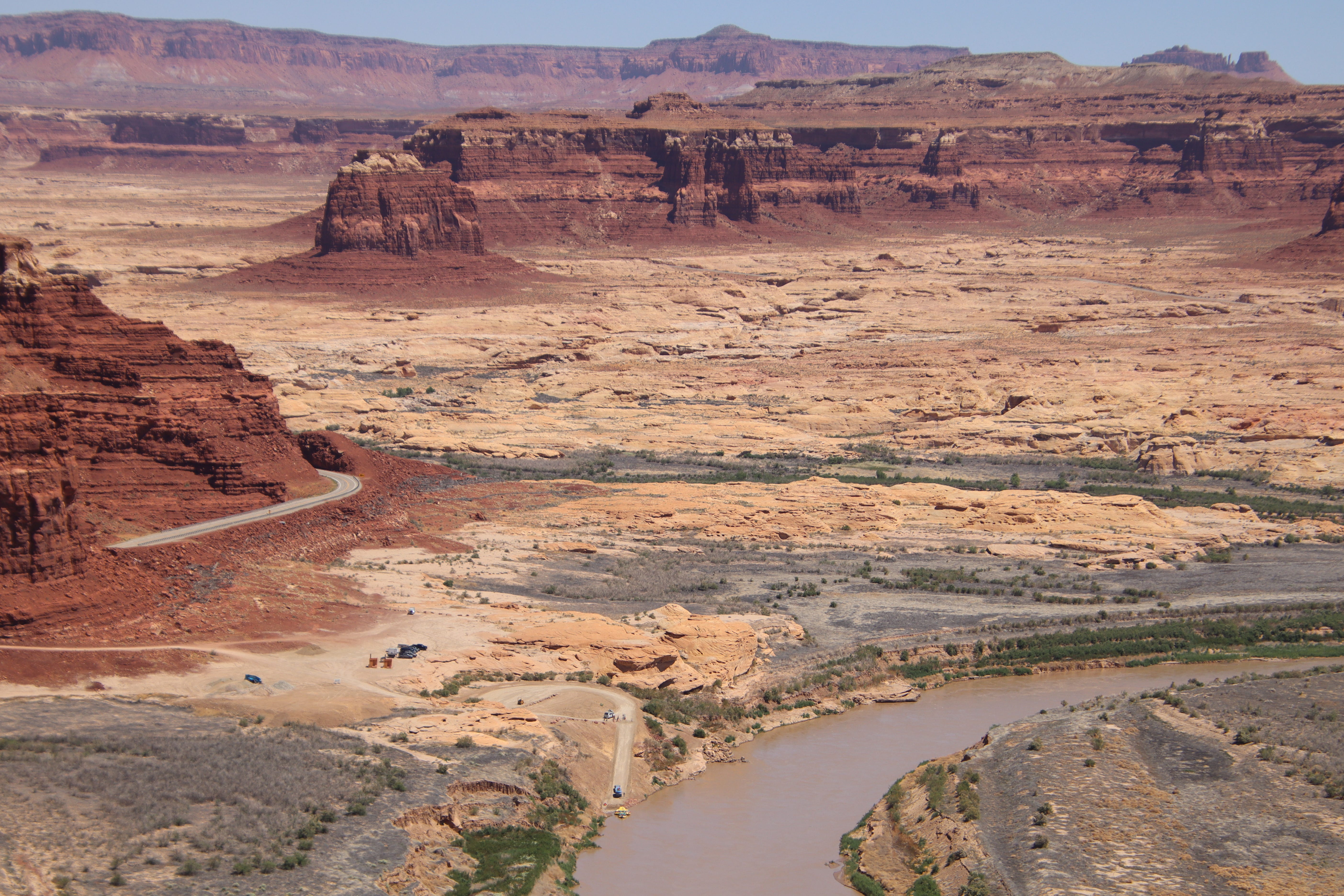
- Glen Canyon National Recreation Area moves forward with a plan to develop new low-water boat ramps and other facilities at the Hite and Bullfrog districts on Lake Powell, indicating that the National Park Service expects reservoir levels not to rebound. The Bullfrog ramp is planned for the main channel of the reservoir, southeast of the current facilities, and would be usable for boats up to 125 feet long to a low lake level of 3,450 feet. The Hite ramp would be upstream from the current facilities and is primarily designed as a takeout for Cataract Canyon boaters and a safer alternative to the North Wash takeout on the opposite side of the river. (news release)

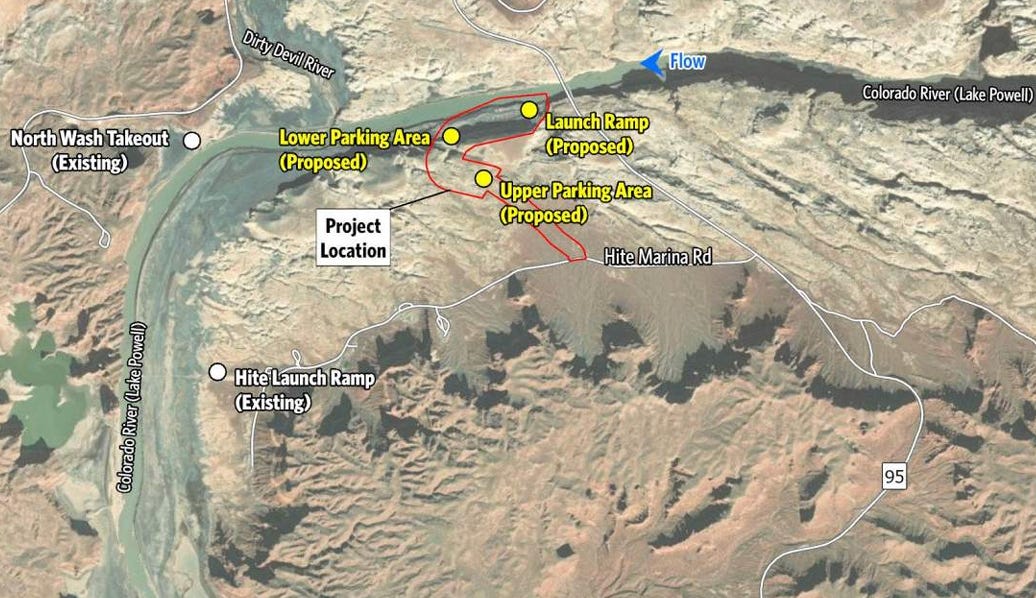
Climate change comes for a Lake Powell marina — Jonathan P. Thompson
- Arizona officials raise concerns about how the Colorado River crisis might affect its booming semiconductor and chip manufacturing industry, in which a single Phoenix-area facility, known as a “fab,” uses some 4.75 million gallons of water per day. (The Verge)
- The Bureau of Reclamation again increases water releases from Flaming Gorge Reservoir in an effort to buoy water levels at Lake Powell, but Utah officials warn it is not a sustainable solution and could harm recreation on the upstream reservoir. (KSL)
🦫 WILDLIFE WATCH 🦅
- Colorado Parks and Wildlife has euthanized nearly 300 bears so far this yearfollowing “unprecedented” levels of bear activity in towns across the state, as well as in Wyoming. Bryan Peterson, of Bear Smart Durango, told Cowboy State Daily the conflicts and killings are mostly due to the drought and lack of food sources, but also blamed human carelessness with garbage and food. (Cowboy State Daily, WyoFile)
- Colorado Parks and Wildlife kills an uncollared female yearling wolf from the One Ear Pack in Grand County after the animal evaded non-lethal deterrents to prey on livestock. (news release)
🤖 DATA CENTER DIGEST 👾
- Bureau of Land Management leadership reportedly orders state directors to identify federal parcels suitable for data center development, indicating that the administration is looking to skirt communities’ opposition to and ban on the facilities by approving them on nearby public lands. (Washington Sun)
- Corner Venture Capital applies for an air quality permit for a 300-megawatt natural gas-fired plant to power a proposed hyperscale data center in southwestern New Mexico, raising concerns over air pollution and water use. (Silver City Daily Press, news release)
- Google’s proposed 2.7-gigawatt, $17 billion Project Tembo data center complex on 700 acres near Cheyenne, Wyoming, clears local regulatory hurdles, but still has a lot of red tape to tangle with before final approval. The firm says the facilities will use less water-intensive closed-loop cooling systems and draw from deep wells, not surface supplies, and that it will be powered with natural gas fuel cells paired with carbon capture. (Wyoming Tribune Eagle)
🔋NOTES FROM THE ENERGY TRANSITION 🔌
- Array Technologies opens its $50 million, 200,000-square-foot solar component manufacturing facility in Albuquerque, where it employs about 300 people. (KRQE)
- Black Hills Energy moves forward with its planned 50-megawatt battery energy storage system at its Pueblo Airport Generating Station in Colorado. (Energy Storage News)
🛻 TRANSPORTATION 🚂
- Denver West Express pitches a “concept” of an electric rail line designed to carry skiers from Denver International Airport to the resort town of Avon in less than two hours. The line would cost an estimated $28 billion to $33 billion to construct, but it might go a long ways to alleviate the I-70 ski season gridlock, which makes for one of the nastiest drives in the state — and where high traffic costs about $2.3 billion annually. (Steamboat Pilot)
📈 DATAVIZ OF THE DAY 📊
The Land Desk recently reported on how solar, wind, and battery storage is pushing coal off the West’s power grid, despite the Trump administration’s hostility toward cleaner energy sources. As of June of this year, the trend appeared to be continuing into the future, as a bulk of the generating capacity in the planning pipeline comes from cleaner sources. Click on the graphics for an interactive view, and specifics on each planned power plant.


Below is the Precipitation Accumulation in South Platte graph from the NRCS for September 21, 2026. This morning precipitation, at the SNOTEL stations, is at 76% of the median (up 2% one week), and 76% of the water year median (up 3% one week). There are 9 days left in the water year.

There is a chance for thunderstorms/showers Tuesday, a chance for showers Wednesday, showers are likely Thursday, with a chance for showers/thunderstorms Friday, Saturday, and Sunday, in the central mountains. There is a chance for showers Tuesday and Wednesday, a chance for showers/thunderstorms Thursday, Friday, Saturday, and Sunday, in the northern mountains. There is a slight chance for thunderstorms Tuesday, a chance for showers Wednesday, Thursday, and Friday, then a slight chance for showers Sunday, down here, about 466 miles from the Montezuma Valley Irrigation Company. From History of the Montezuma Valley Irrigation Company (via ArchaeologyColorado.org):
Irrigation in the Southwest began long before Euro-American settlement. The Ancestral Puebloans constructed stone terraces and check dams to capture runoff for crops as early as A.D. 750 in Mesa Verde with habitation extending until the late 1200s (Grace 2016). Later, the Ute, Navajo, Arapaho, and Cheyenne communities employed similar techniques to adapt to the semi-arid environment (Gerhold 1981:2; Grace 2016). These indigenous systems represent the earliest technological responses to water scarcity in the region…The Montezuma Valley’s geography presented a paradox: fertile soils and favorable climate for fruit growing, but insufficient water supply. Early settlers relied on limited natural springs, which constrained growth. Recognizing this challenge, irrigation pioneers initiated ambitious projects to divert water from the Dolores River. The Montezuma Valley Water Supply Company, organized by James W. Hanna in 1885, constructed a 5,400-foot tunnel and the ‘Great Cut’ to channel water into the valley. Completed in 1889, this system marked one of the earliest large-scale, privately funded irrigation projects in the Southwest (Gerhold 1981; Gerhold 1983).

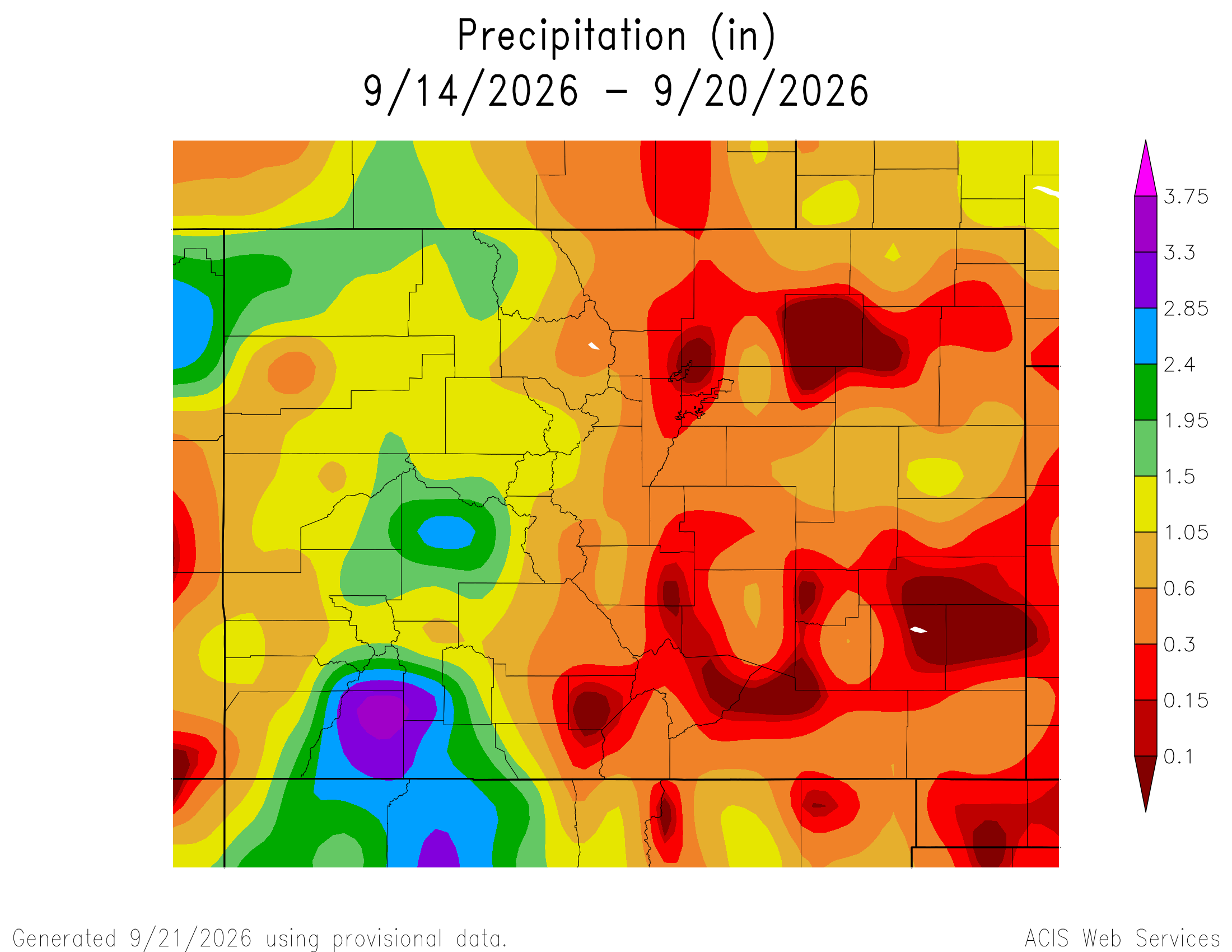
Here’s a look at the Colorado 7-Day precipitation map through September 20, 2026 from the High Plains Regional Climate Center. Precipitation in the South Platte Basin along the Continental Divide of the Americas ranged from 0.60” to 1.05″
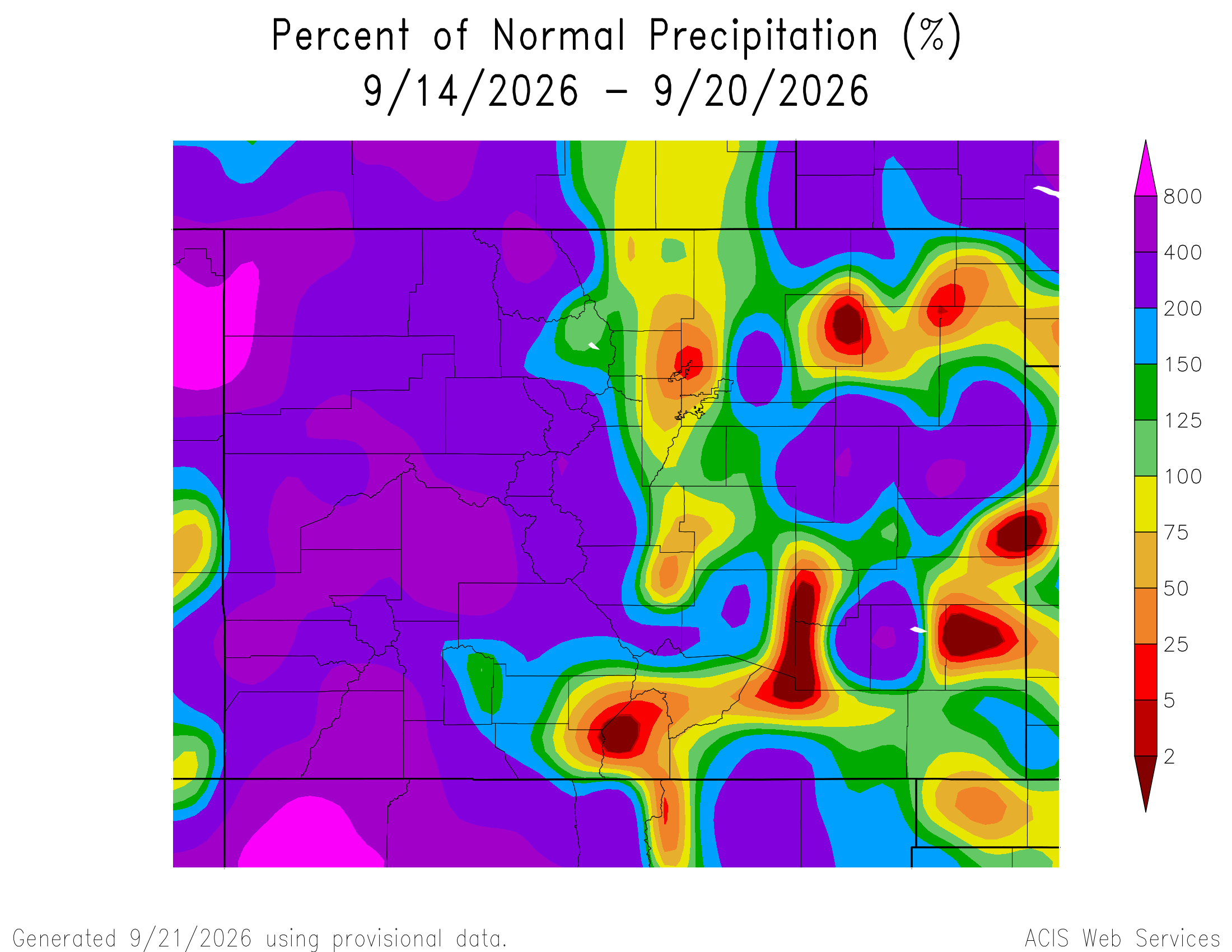
Here’s the Colorado 7-Day percent of normal precipitation map through September 20, 2026 from the High Plains Regional Climate Center. Precipitation in the South Platte River Basin along the Continental Divide of the Americas was 50% to 400% of normal. (Lovely overall!)
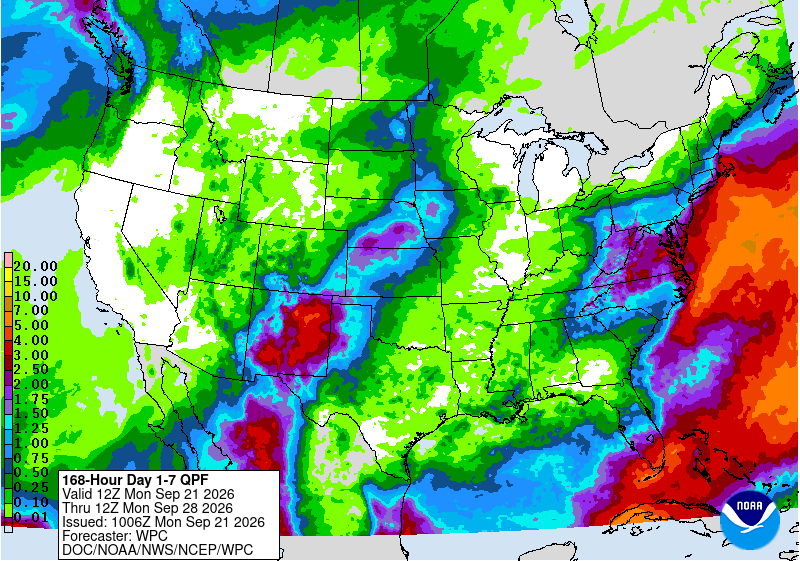
Below is the 7-day Quantitative Precipitation Forecast for the week of September 21, 2026. Precipitation is anticipated for the mountains of the South Platte River Basin and may total up to 0.50″.
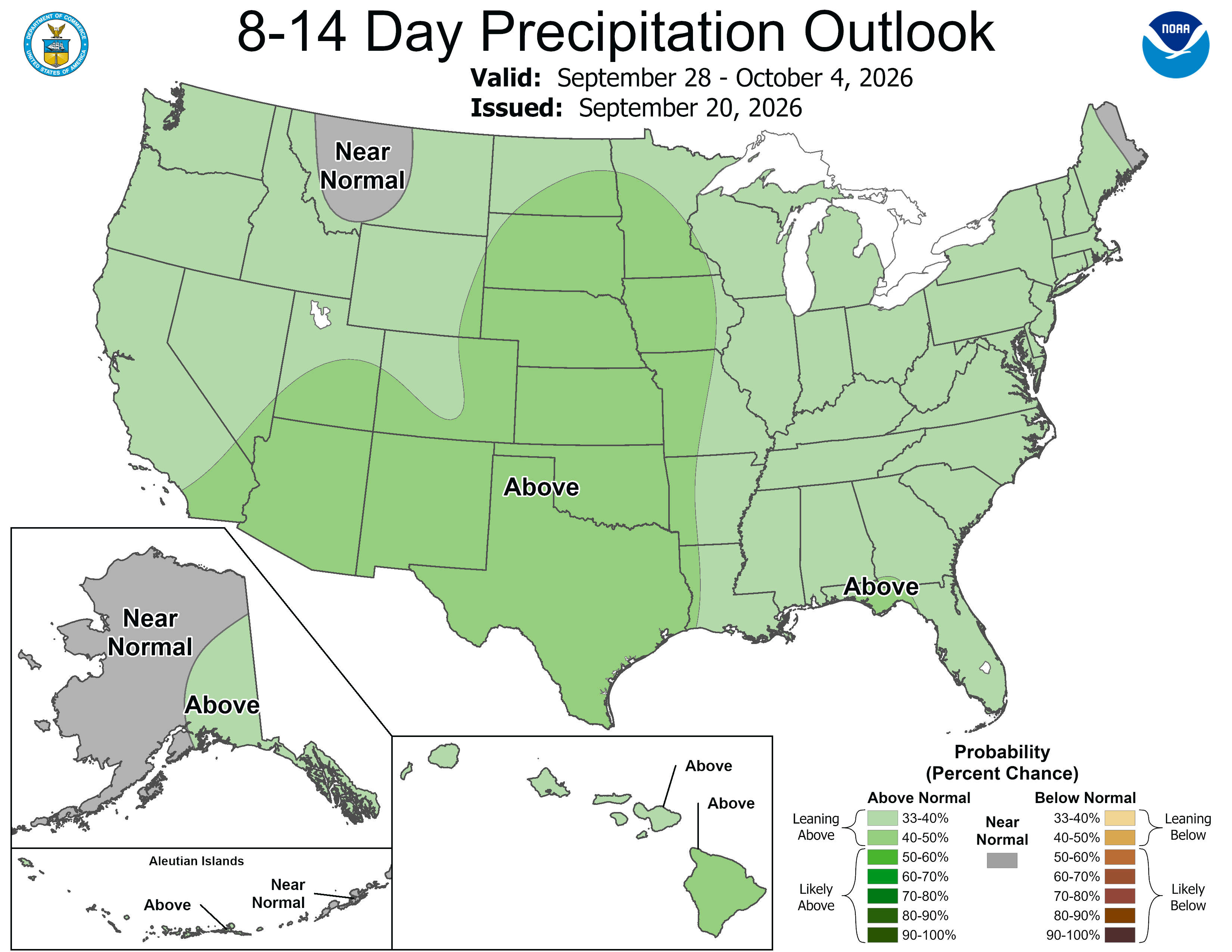
Below are the 8-14 day outlooks from the Climate Prediction Center, issued September 20, 2026, for temperature and precipitation, for the week starting September 21, 2026. The CPC expects above normal temperatures and above normal precipitation for the mountains of the South Platte River Basin.

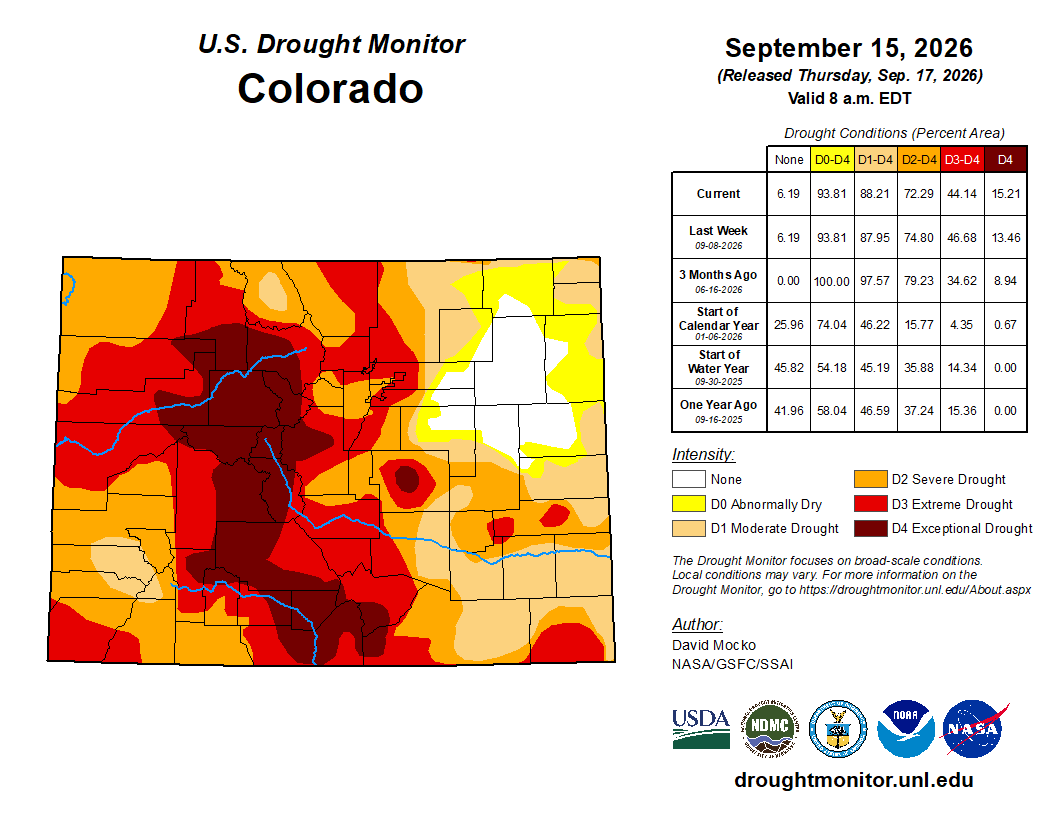
Below is the Colorado Drought Monitor map from September 15, 2026. There were one class improvements in Park County. Drought and abnormal dryness covers 93.81% of Colorado. The South Platte Basin is experiencing Abnormally Dry, Moderate, Severe, Extreme, and Exceptional drought conditions.
Below is the Colorado Drought Monitor one week change map ending September 15, 2026.
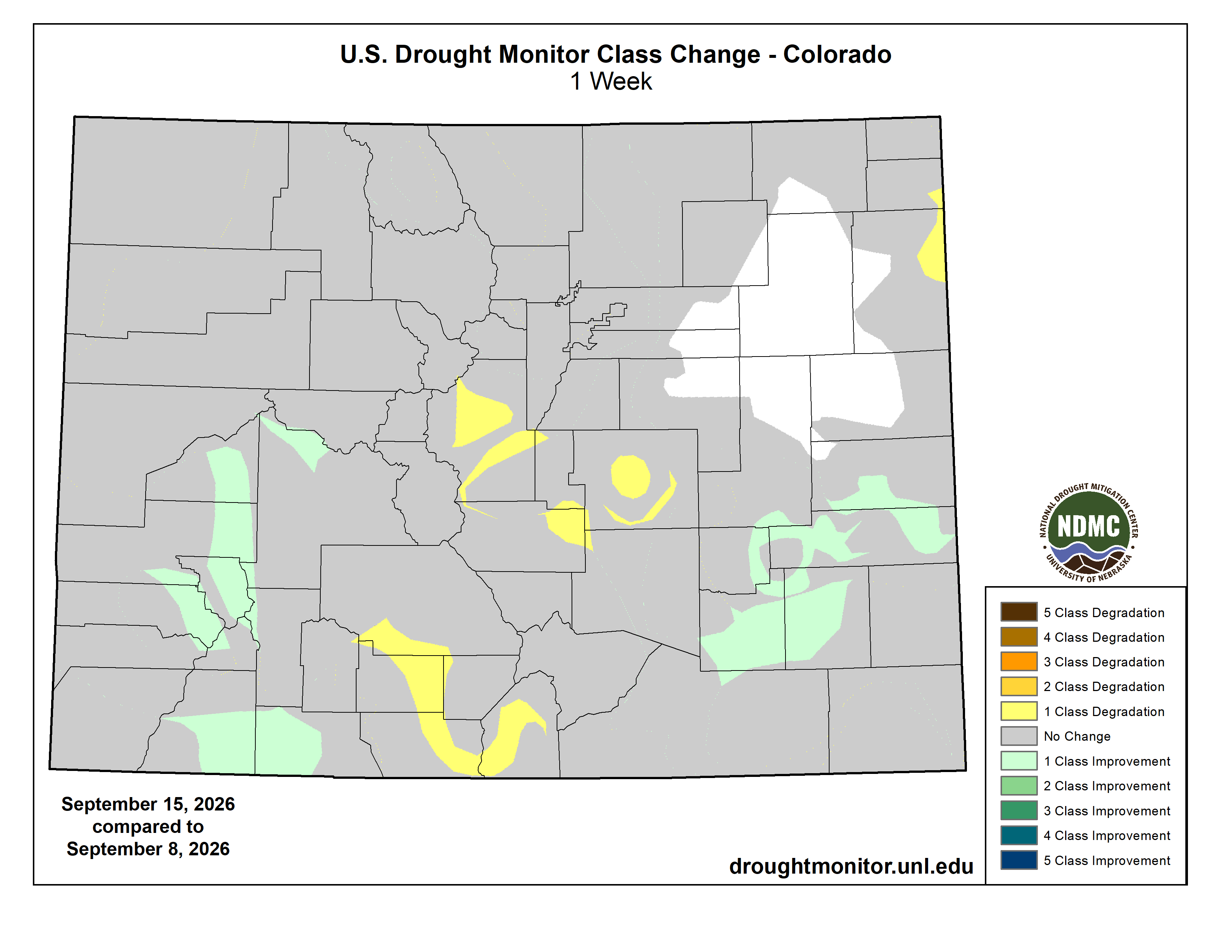
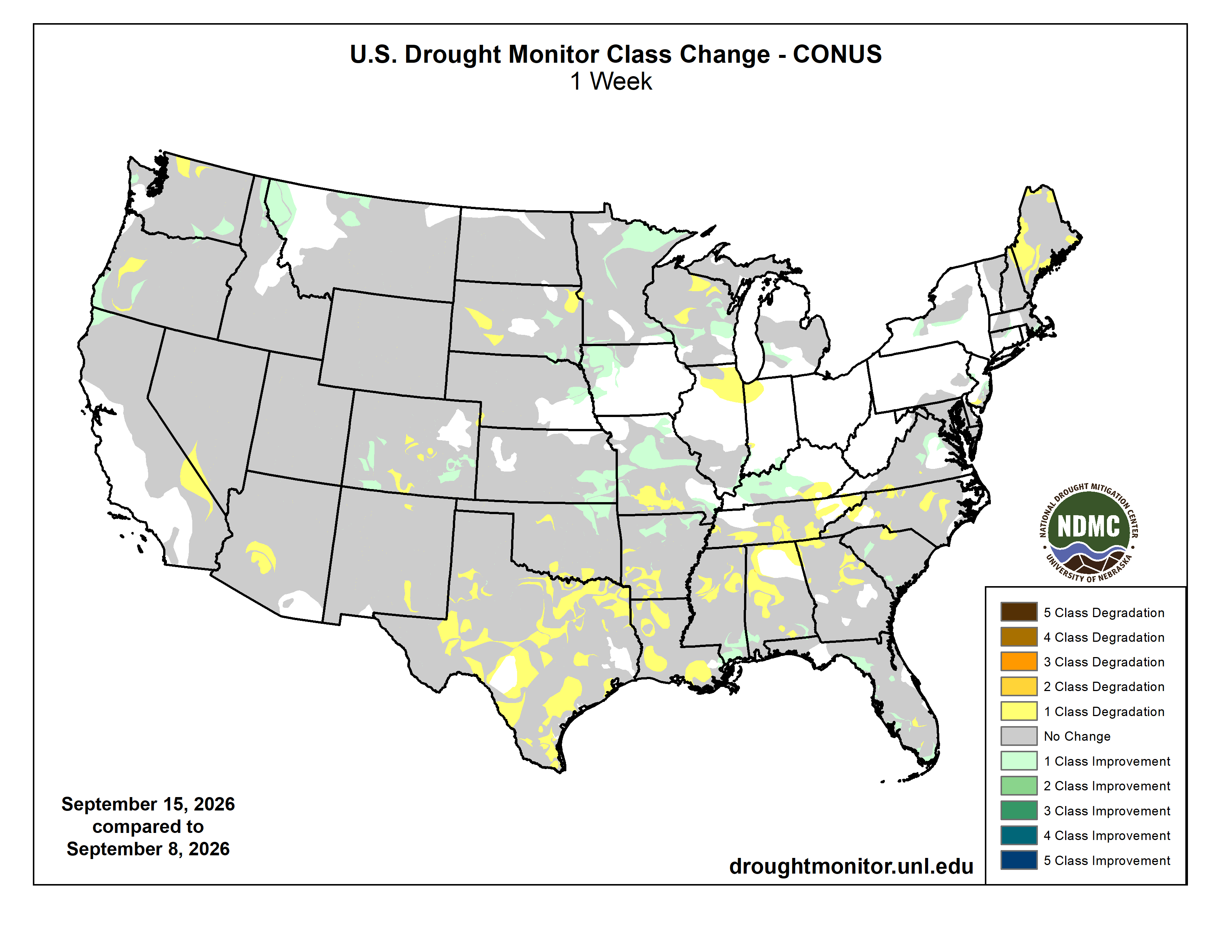
Here’s the US Drought Monitor Map from last week along with the one week U.S. change map.

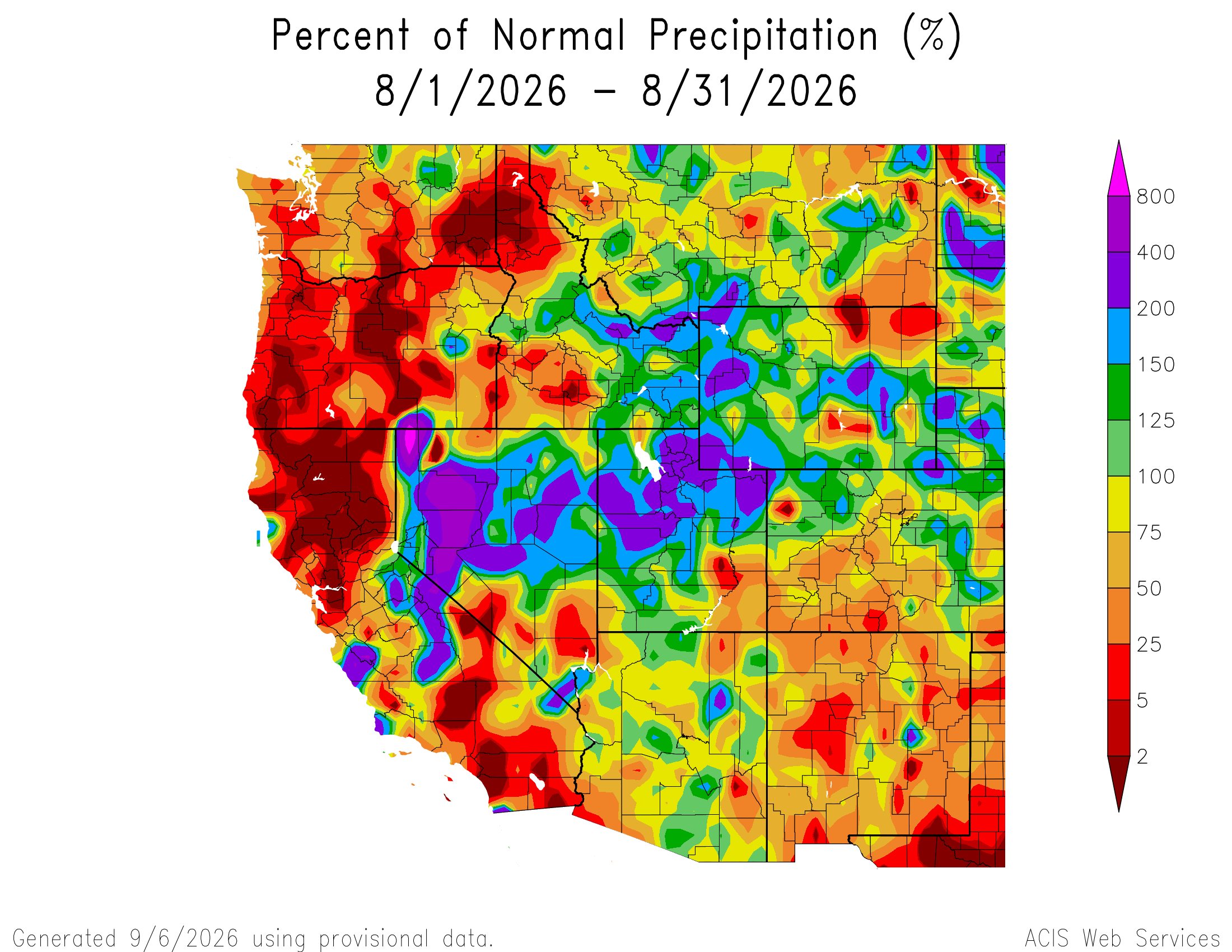
Finally, Western Water Assessment released their latest Intermountain West Climate Briefing recently. From the briefing:
August precipitation varied across the region due to scattered monsoonal thunderstorms. Regional temperatures were above average in August, and Colorado experienced its warmest August on record, while Utah experienced its second warmest on record. Streamflow conditions were below average for most regional rivers, especially in Colorado and Utah, where many streamflow gages observed record-low daily streamflows. Regional drought coverage changed little from the beginning of August to September and is at 96%. El Niño conditions persist, and there is a greater than 90% probability of a very strong El Niño event during fall and winter 2026-27. NOAA seasonal forecasts indicate an increased probability of above average temperatures for the region, and above average precipitation for Colorado, Utah, and southern Wyoming during September–November.
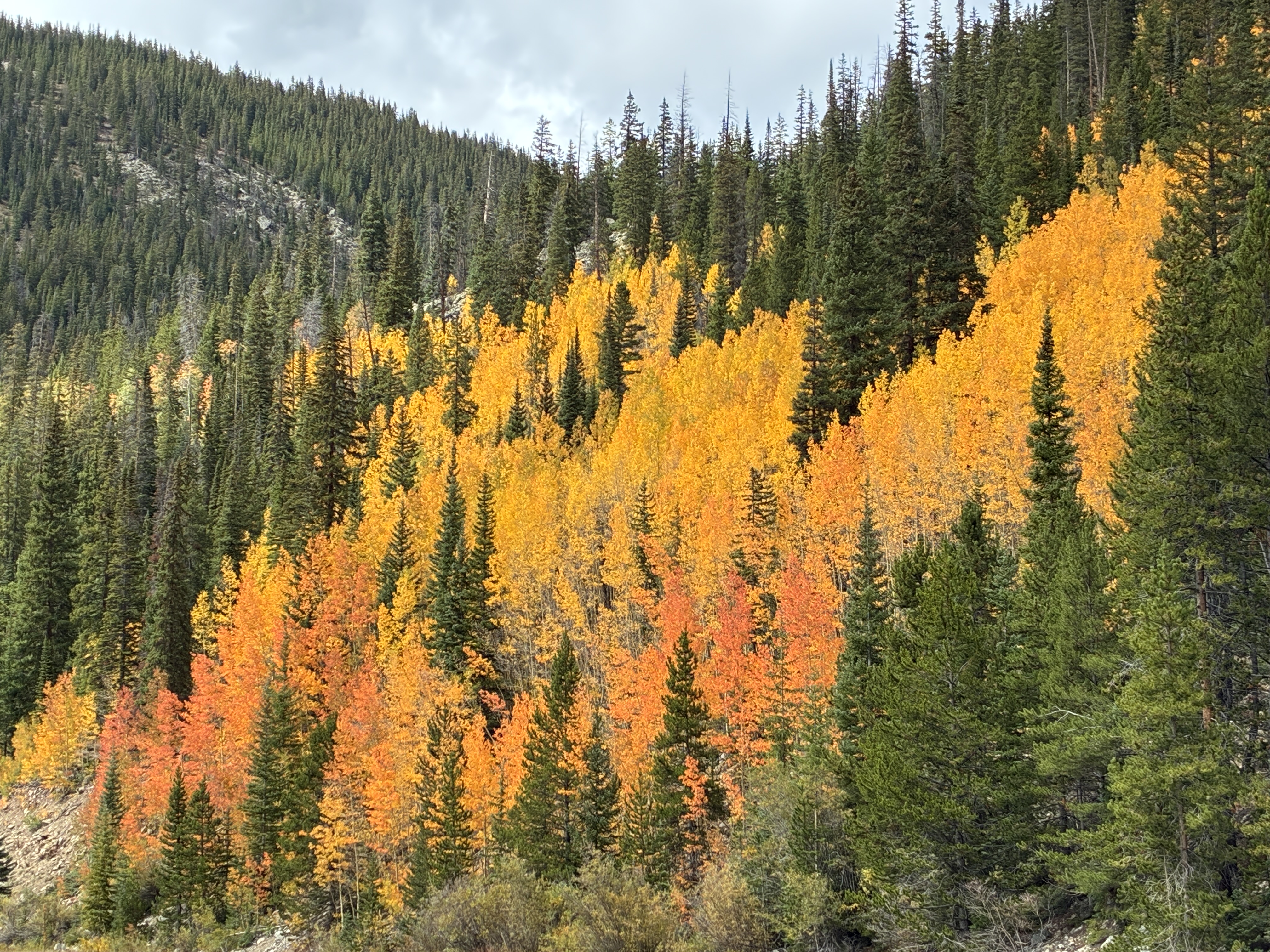
For the homeward drive, I charged at the newish Ionna chargers in Fruita. I was pulling over 100 KW at the start. Very fast. I bumped up in Glenwood Springs and had enough charge to get home, but owing to my range anxiety, I added 10% in Silverthorne. At the top of Loveland Pass the controls indicated 36% battery charge and an estimated 78 miles of range. But, as fans of regenerative charging know, when I arrived at Gulch Manor the spread was 32% charge and estimated range of 108 miles. It is pretty much downhill from Loveland Pass to my place, 11,990 feet down to 5,400 feet or so, on Berkeley Hill in Denver.
Most of the day Saturday was taken up by the climb from Fruita to the Continental Divide of the Americas.
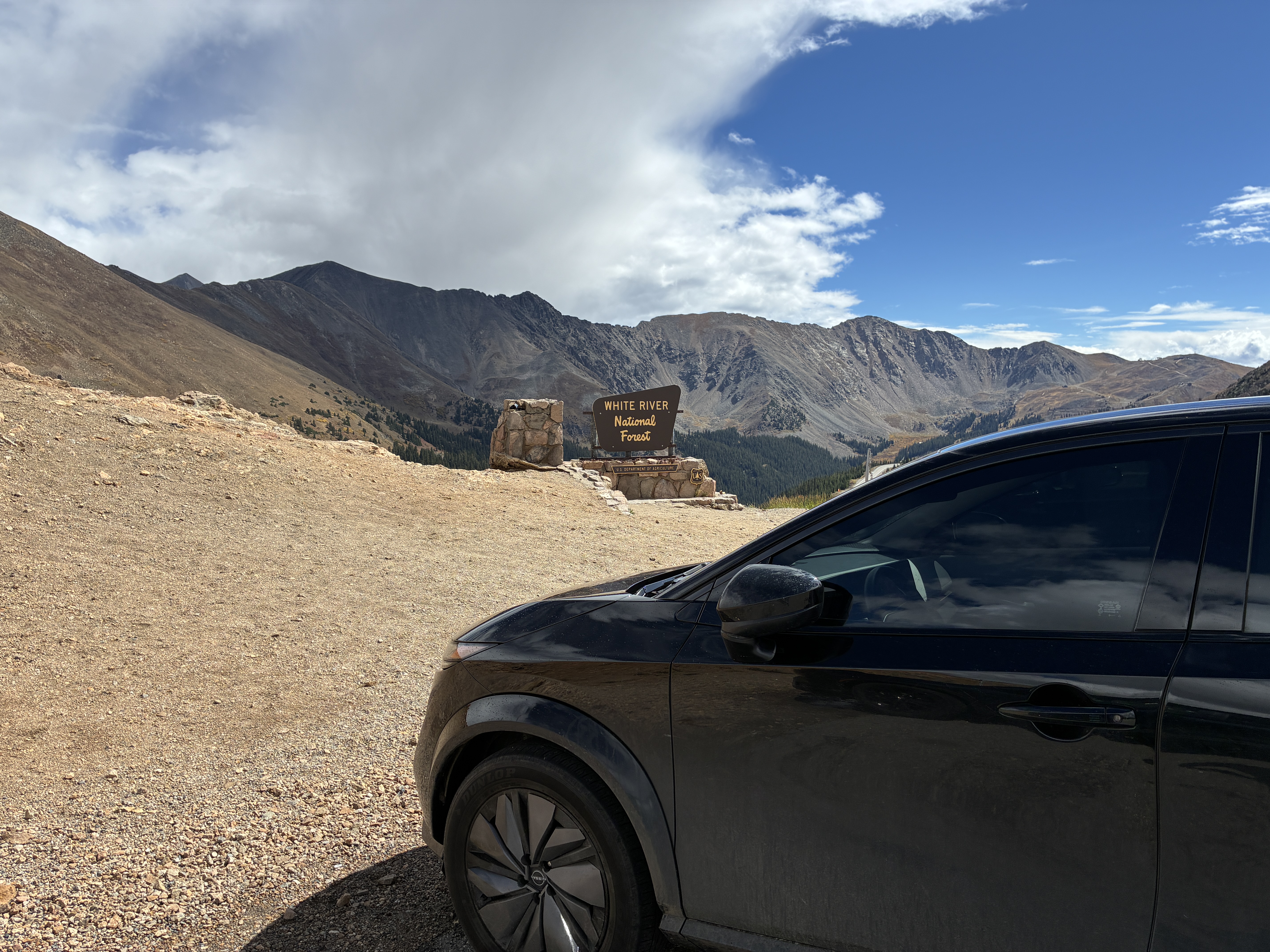
All in all I charged at ChargePoint, Tesla, Tesla/Colorado Energy Office, Rivian, and Ionna chargers. I am so happy with the performance of my Ariya on the first road trip — ~950 miles.
Seminar day did not include an EV element. I ride my bicycle from Fruita to Grand Junction along the Colorado Riverfront Trail. The 14 mile ride has great views of the Colorado National Monument, Grand Mesa, and Mt. Sentinel.
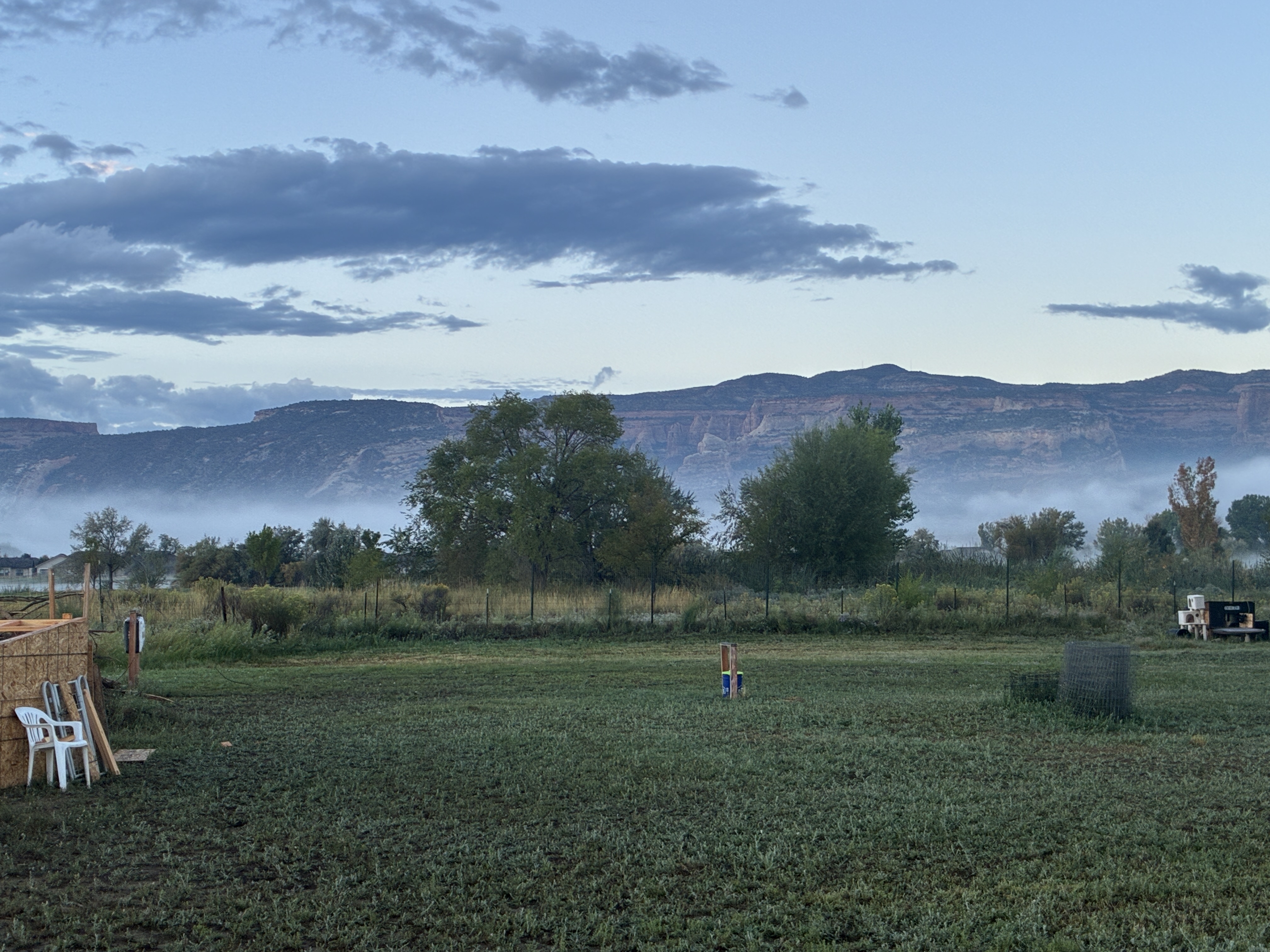
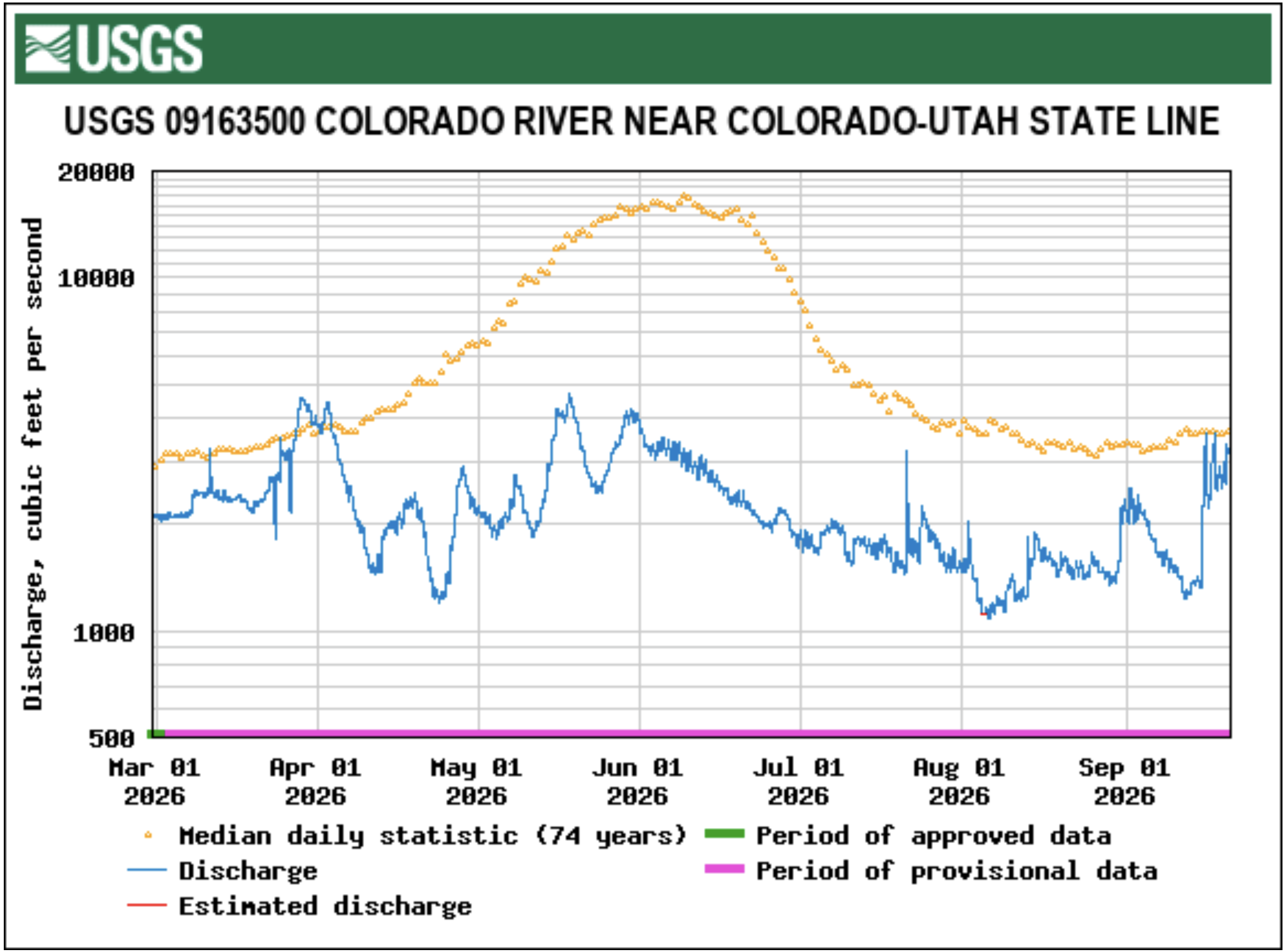
Of course the Colorado River is front and center and it was so gratifying to see the river running with sediment.
It had been rainy all week in western Colorado and you could tell, it was enough to get near average streamflow at the Utah line.
My main takeaway from the seminar was that West Slope water users shared supplies to get through these rough times. Collaboration was mentioned several times as was, “We didn’t call anyone out.”
Check out my live-posts from seminar on my BlueSky feed or the seminar hash tag (click on the “Latest” tab).

Click the link to read the article on the Water Education Colorado website (Michael Booth):
September 17, 2026
Denver Water can finish its Gross Dam expansion and fill the controversial reservoir in western Boulder County, the 10th U.S. Circuit Court of Appeals ruled Tuesday, lifting an injunction by a lower court judge and confirming the dam’s permits as sound.
The appeals court said the U.S. Army Corps of Engineers had acted responsibly in issuing construction permits for the $600 million expansion, which is largely complete and will be filled using water rights Denver holds in the Colorado River basin on the western side of the Continental Divide.
A federal district judge in Denver had issued the injunction after declaring the Corps had failed to consider less-damaging alternatives, or the fact that climate change could dramatically reduce the amount of Colorado River water available to fill the storage pool. But the appeals court rejected that view.
“We do not think the Corps’s choice of cost methodology was arbitrary or capricious,” the appeals court ruling said. The plaintiffs, including nonprofit Save the Colorado, argued the Corps rejected clear evidence of climate change, but the appeals court ruled the Corps gave the research fair consideration.
“The Corps considered — and rejected — the reliability of that and similar studies, one of which showed that in the Colorado River Basin, ‘no consistent trends in annual precipitation have been detected over the last 100 years,’” the appeals court said.
“In the end, the environmental groups ask us to substitute our judgment for the Corps’s. They point out scientific studies that, in their view, rebut the Corps’s reading of the scientific literature and ask us to opine on what the scientific research establishes,” the appellate ruling said. “But our job is not to second-guess the Corps’s assessment as long as it rests on a reasoned basis.”
Denver Water said it looked forward to completing a crucial water supply project it began permitting 23 years ago.
“We’re pleased to see the 10th Circuit Court of Appeals confirm that the Gross Reservoir Expansion Project was lawfully permitted by the U.S. Army Corps of Engineers and that Denver Water can proceed with the final stages of this critical project to ensure a safe, secure water supply for the 1.5 million people we serve,” according to a statement from spokesperson Todd Hartman. “With this decision, Denver Water can move forward with completion of construction, site preparation and eventual filling of the expanded reservoir. An expanded Gross Reservoir is vital to the future of the Denver region.”
Save the Colorado’s Gary Wockner, who has led battles against many projects threatening to further alter the ecology of Colorado river systems, said the appeals court decision doesn’t change Colorado’s water challenges.
It’s nonsensical to be putting more straws in, and further draining, the Colorado River at this point in history,” Wockner said. “That the law allows it to happen doesn’t make it right, it just makes it legal. I saw something wrong, I stood up, spoke out and took action. It was the right thing to do and I would do it all over again.”
Wockner said Tuesday the plaintiffs would not be appealing the decision to the U.S. Supreme Court.
Gross Reservoir Dam backs up South Boulder Creek, while also taking in water through the Moffat Tunnel under the divide, from the Fraser and Williams Fork rivers in the Colorado River basin. Denver Water has said the expansion is needed to balance its water storage system currently heavily concentrated on the southern end of the metro area.

Click the link to read the article on The Land Desk website (Jonathan P. Thompson):
September 11, 2026
🌨️🚣🏽 WATER WATCH 🌊🦦
The Trump administration’s Environmental Protection Agency is proposing to further constrain the reach and potency of the Clean Water Act by re-defining what qualifies as “waters of the United States,” or WOTUS, which are streams, wetlands, and other water bodies under federal jurisdiction. The proposed definition would disproportionately affect the arid West by lifting protections from thousands of miles of streams, arroyos, and wetlands.
Under the CWA, a firm or individual looking to discharge pollutants or other material into, or dredge or reroute or otherwise alter, a WOTUS waterway must obtain a federal permit from the EPA or Army Corps of Engineers. A battle has raged for more than five decades over what constitutes a WOTUS. The Supreme Court’s 2023 Sackett v. Environmental Protection Agency ruling called for a narrower definition, handing industry and right-wing ideologues a major victory.

The changes in the latest proposed supplemental rule are even more exclusionary than the administration’s November 2025 proposal, which removed “ephemeral” and “intermittent” waterways — i.e. arroyos or washes that run only after rains or snowmelt — from federal jurisdiction. Included as a WOTUS under that proposal were “relatively permanent … bodies of surface water that are standing or continuously flowing year-round or at least during the wet season.”
The new proposal omits the “wet season” verbiage. It then defines “relatively permanent” to be synonymous with “perennial,” which in turn is defined as ‘‘having standing or continuously flowing water every day of the year during ordinary conditions.’’ However, “a body of water does not lose its relatively permanent status if it dries up as a result of anomalous events such as drought or dry spell.1 A body of water also does not lose its relatively permanent status if it dries up for no more than a single period of up to 30 consecutive days in any given year as a result of non-anomalous events resulting in a temporary interruption such as low tide or a regularly occurring dry spell.” Yet, “if flow is interrupted for two periods in any given year, and each period consists of 10 consecutive days of no flow, the water body would not be jurisdictional.”
A Natural Resources Defense Council analysis found that the new proposal would remove protections from more than 94% of the nation’s wetlands and about 79% of its streams. The changes would hit the West hardest, leaving a state like Arizona with almost no federally protected streams or wetlands.
So here’s my interpretation of where the updated proposal leaves us:
- WOTUS waterways (keeps CWA protections): A year-round river, stream, or lake that never dries up, such as the Animas River, the San Juan River, the Colorado River, the Gunnison River, Cement Creek, Mineral Creek, the Fremont River, and so on, would retain federal protections under the CWA. However, since most of these rivers are fed by intermittent or ephemeral streams, they would also be potentially affected (since is someone altered or polluted a tributary, the effects would eventually reach the mainstem).
- Non-WOTUS waterways (would lose CWA protections): All intermittent and ephemeral streams, i.e. arroyos or washes that run only when it rains, such as are ubiquitous in the arid West, would be removed from federal jurisdiction. Other streams and rivers that run seasonally, but regularly dry up for more than 30 consecutive days per year, such as the Paria River, the Dirty Devil, Rio Puerco, Santa Cruz River, or the Mancos River, would also lose federal protections, as would wetlands that are only “wet” for part of the year.
- Vague WOTUS status: Rivers or streams that are perennial as a whole, but on which certain segments dry up for more than 30 days per year (usually because of upstream diversions), e.g.: the Rio Grande through Albuquerque, long sections of the Lower Dolores River between McPhee Dam and its confluence with the San Miguel, the North Fork of the Gunnison around Paonia, lower reaches of the La Plata River, or Junction Creek through Durango, and numerous desert rivers in Arizona and New Mexico.
While the proposed rule would remove federal CWA protections from many waterways, it would not automatically give developers or industry free rein to bulldoze or dump toxic waste into them. State and local laws would still apply, and arroyos and streams on public land would still be protected to some degree by federal environmental laws. Colorado lawmakers passed a bill in 2024 that effectively backfilled the regulatory gap left by the Sackett decision. New Mexico also has moved to implement its own layer of water protections. In more industry-friendly states such as Idaho and Utah, the proposed rule would leave thousands of miles of streams and waterways vulnerable to development and pollution.
The proposed rule is open to public comments until Oct. 9. You may send comments, identified by Docket ID No. EPA–HQ– OW–2025–0322, by any of the following methods:
- Federal eRulemaking Portal: https://www.regulations.gov/. Follow the online instructions for submitting comments.
- Email: OW-Docket@epa.gov. Include Docket ID No. EPA–HQ–OW– 2025–0322 in the subject line of the message. •
- Mail: U.S. Environmental Protection Agency, EPA Docket Center, Water Docket, Mail Code 28221T, 1200 Pennsylvania Avenue NW, Washington, DC 20460.
- Hand Delivery or Courier: EPA Docket Center, WJC West Building, Room 3334, 1301 Constitution Avenue NW, Washington, DC 20004.
For more background on the long and winding struggle to define WOTUS, check out the following:
- My February 2022 High Country News piece on the Supreme Court taking up the Sackett Case, including a detailed timeline of the WOTUS definition battle.
And, from the Land Desk archives (you’ll need a paid subscription for access):
News Roundup: Arroyos on trial; Superstition Vistas; Lake Powell bridge — Jonathan P. Thompson
Supreme Court imperils arroyos, wetlands — Jonathan P. Thompson
On Trump’s arroyo-phobic Clean Water Act rule — Jonathan P. Thompson
🐟 Colorado River Chronicles 💧
A new paper is out from the group of Colorado River experts known by some as the “Traveling Wilburys of the Colorado River Basin,”2 and lo and behold, it actually contains some good news. Namely this: The Lower Basin users have managed to make significant reductions in water use over the last decade and a half without turning the Southwest into a dust-choked wasteland and getting ahead of the latest round of mandated cuts. This indicates that the users can continue to slash water use in the future — to a degree — if necessary.
The Lower Basin accounts for about 60% of all consumptive water uses and losses on the Colorado River. Irrigated agriculture, in turn, makes up about 60% of the Lower Basin’s consumptive use. The Imperial Irrigation District, which is primarily agricultural, is the largest single water user on the entire river. This means that the agricultural sector — and the IID in particular — “will play a significant role in future reductions in water use,” as the authors put it.
So far, the Lower Basin’s farmers and the IID have stepped up. In 2025, the Lower Basin states’ consumptive use was 5.76 million acre-feet, the lowest since at least 2010. Since 2023, California has used about 13% less water, a reduction attributable mostly to cuts at IID.
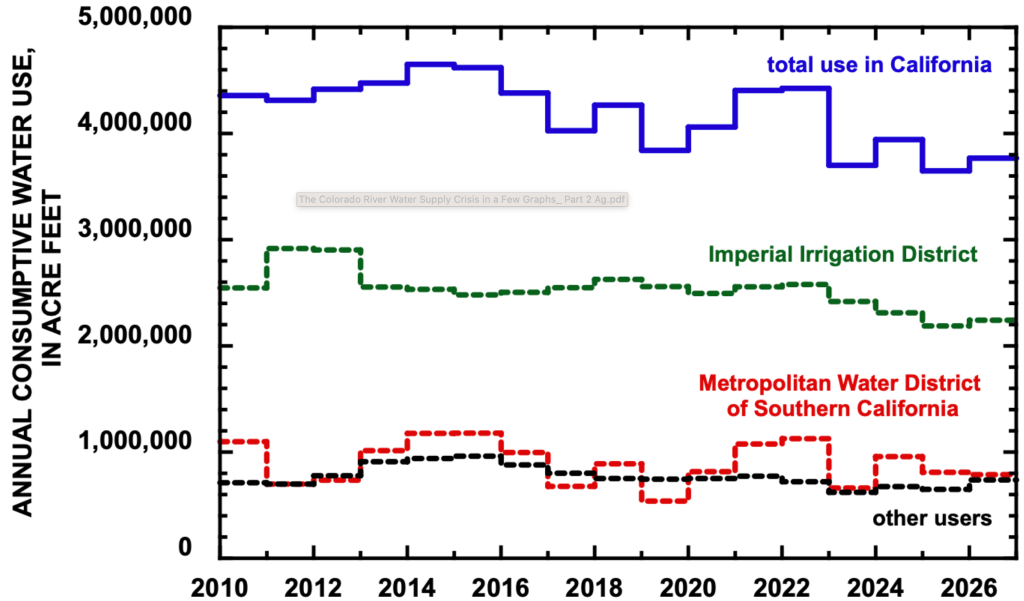
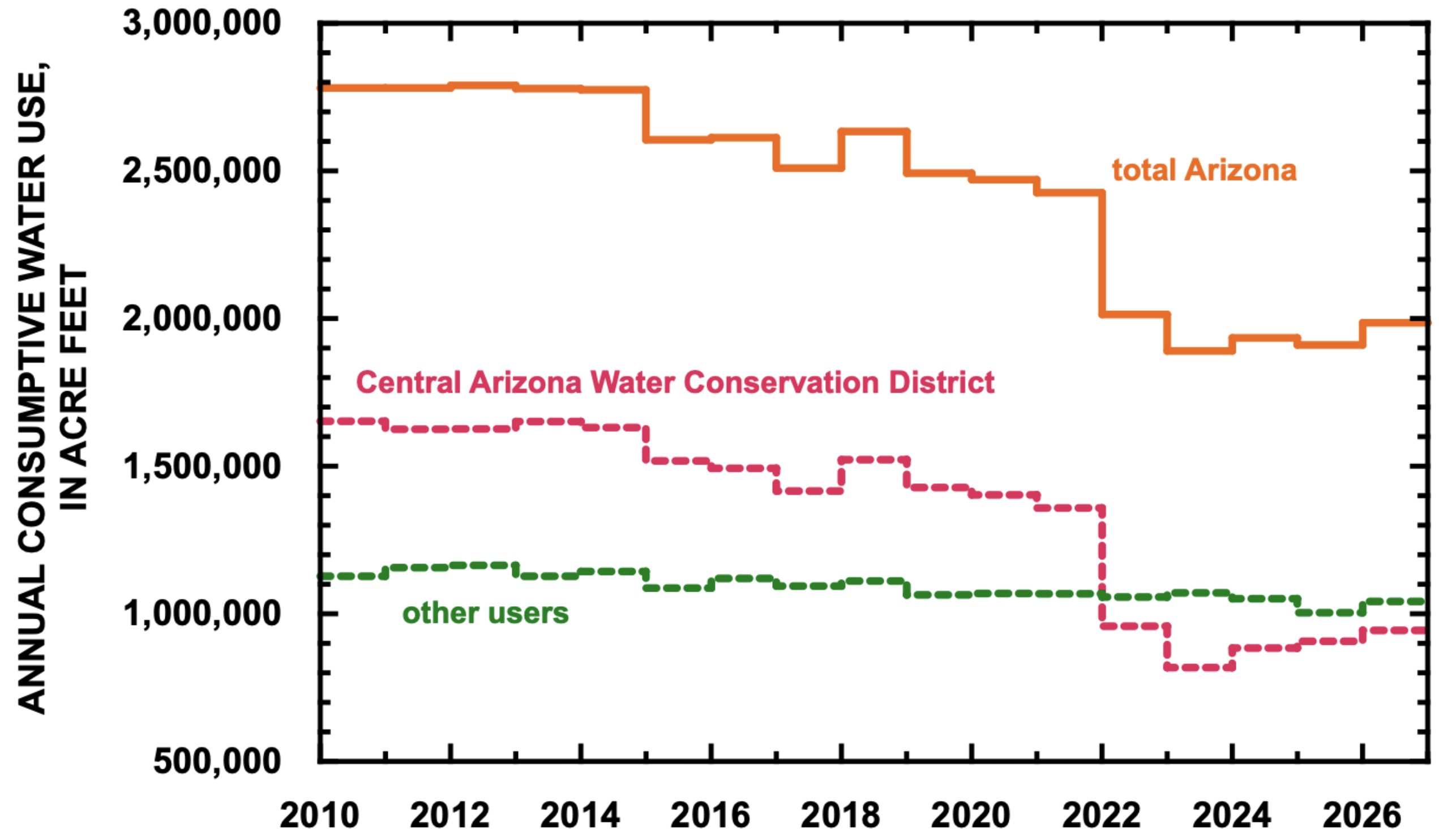
Notably, IID’s reductions came mostly during the summer months, the peak season for field crops such as alfalfa, Bermuda grass, and kleingrass, when it’s too hot to grow most garden crops, such as lettuce, onions, and broccoli. During the vegetables’ growing season, from November through March, water use stayed roughly the same as before. A similar, but less dramatic, dynamic shows up in Arizona.
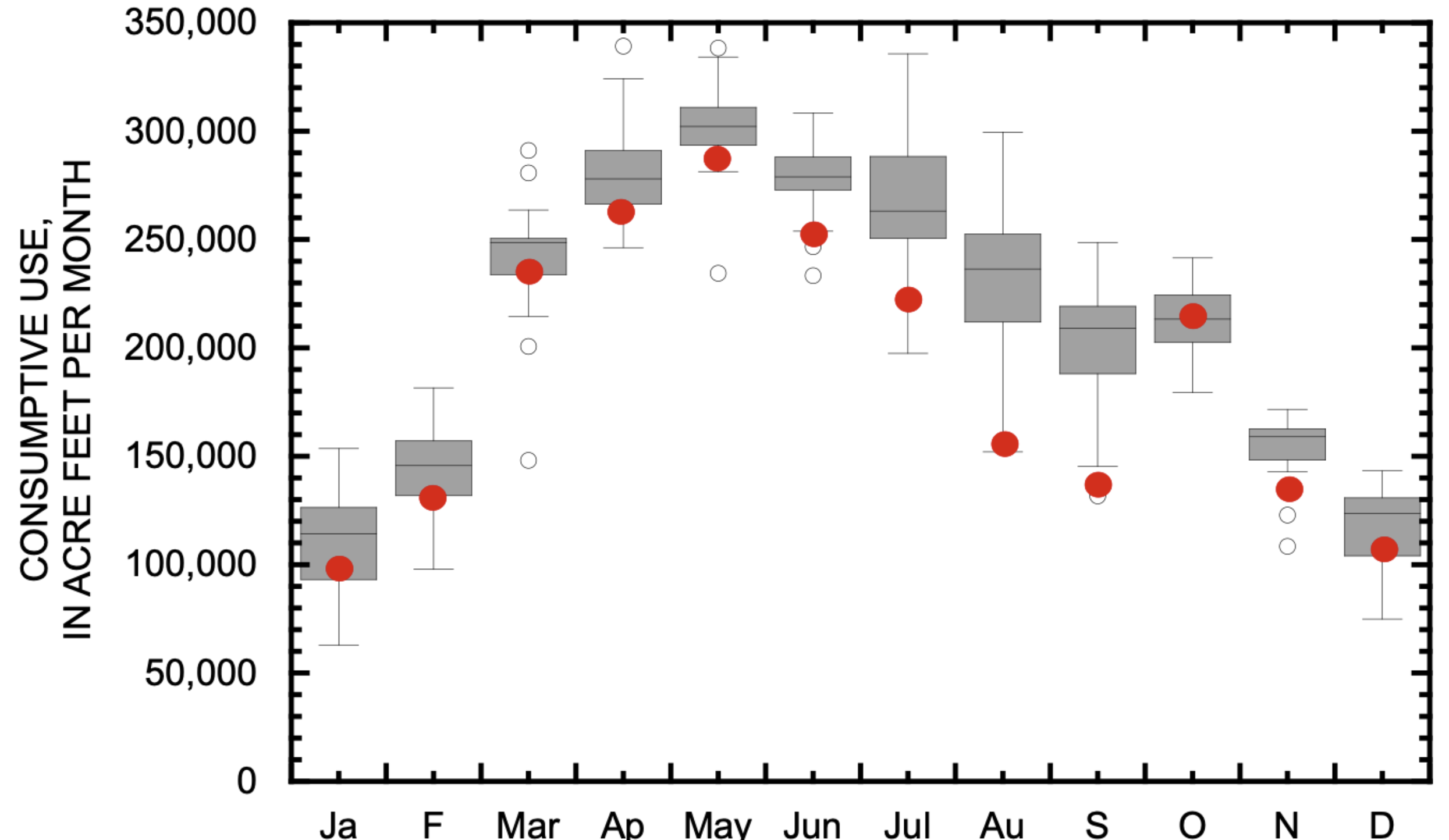
This suggests a couple of things: 1. The Imperial Irrigation District and other large agricultural users may be able to significantly lower overall water use without harming important garden crops such as broccoli and carrots (easing fears that the Colorado River crisis will deprive us of vegetables); and, 2. The IID is successfully using its vast alfalfa crop as a giant water demand-response tool3. That is, through both fallowing some fields and putting others on a summer water diet, the district’s farmers have managed to slash water use, while still growing gobs of hay and alfalfa.
And because the IID still has about 150,000 acres of alfalfa, it has huge potential for future water cuts through these same methods, which is the good news. The bad news is that the federal plan for operating the river contemplates Lower Basin cuts of up to 3 million acre-feet per year (resulting in a total annual consumption of 4.5 MAF), which is about twice what the Basin has already achieved.
To consider the viability of such cuts, the authors summed up the smallest monthly use in each Lower Basin state since 2010, even though they didn’t occur simultaneously, and even though in some cases the reductions were due to heavy precipitation, not conservation efforts. The result was 5.03 MAF, still 530,000 acre-feet over the potential target. In other words, getting to 4.5 MAF/year is likely to be much more painful than accomplishing the reductions so far.
Yet some pain is likely to be necessary unless the West’s warming climate does a rapid about-face, and soon.
📸 PARTING SHOT 🎞️
1 * The proposed rule says “only extreme (D3) and exceptional (D4) droughts would qualify as anomalous drought conditions that can temporarily interrupt perennial flow, and can extend continuously across no more than a five-year timeframe.”
2 This is an appropriate monicker, coined by longtime Colorado journalist Allen Best, and is great for those of us in Generation X or older. But I worry that it might not mean much to anyone under the age of, say, 40? So if you have any more contemporary suggestions for a group of superstar water wonks, aka, Jack Schmidt, Anne Castle, Eric Kuhn, Kathryn Sorensen, and Katherine Tara, I’d love to hear them!
3 Demand response is a term typically used in relation to electricity use. It’s when large power users, or a collection of smaller users, are paid to reduce electricity consumption during times of high demand to ease grid strain. So, for example, during a heat wave, when everyone’s air conditioners are running full blast, the utility or grid operator would signal a factory, say, or a data center, or even a host of smart thermostats, to scale back their operations or dial down the AC during the hottest time of the day when solar generation might be dropping off. The targeted drop in consumption has the same effect as increasing power generation would, keeping supply and demand in balance.
Since Jonathan wonders if anyone under 40 will get the reference to the Traveling Wilburys, here you go:
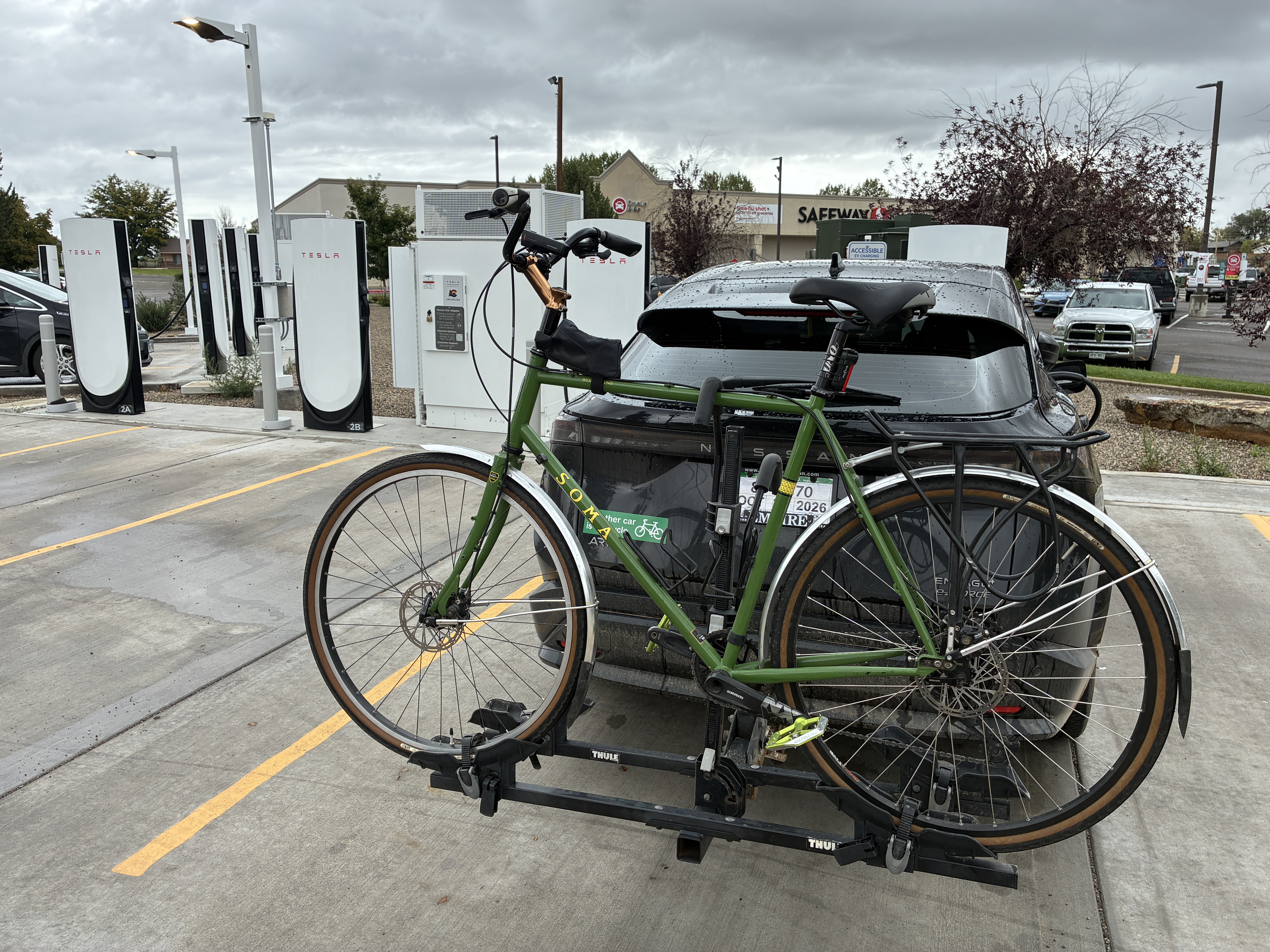
Thursday was a travel day from Cortez to Fruita. I hadn’t been able to drive that route in an EV before because of the CHAdeMO connector on my Leaf and the distances involved. The Ariya’s CCS1 charging port and the NACS adapter opened up the route for me, not to mention the Ariya’s superb range. I charged in the morning in Cortez at the Tesla/Colorado Energy Office facility. The NACS to CCS1 adapter is standard equipment so I didn’t have to use the one I brought along. This was also the case in Moab where I charged for the leg to Fruita. I stayed with my 80% level at each charger so I had plenty of charge to make the trip.
The route north and west out of Cortez and dryland pinto bean country into the Spanish Valley with the La Sals to the east is breathtaking. There are opportunities to explore the sights aplenty, including the Needles Overlook. From Moab I drove up UT-128 which runs along the Colorado River until it bends east at the base of the Uncompahgre Plateau at the Dewey Bridge site. You then climb a bit to get to the open desert and Interstate 70. There was plenty of streambed showing in the Colorado River and the flat lands near I-70 were as dry as can be. In May 2023 there was a super bloom along that stretch of highway.
The seminar is today at Colorado Mesa University, a 14 mile bicycle ride from Fruita.


Click the link to read the release on the WMO website:
September 17, 2026
The WMO State of Global Water Resources report is a comprehensive science-based annual assessment of the hydrological cycle and extreme events in 2025 and over the past five years.
Key messages
- 2025 was one of driest years for river discharge in 35 years
- Past 7 years have seen abnormal river flows
- Water storage on Earth’s land surface has decreased in past 10 years
- Widespread glacier loss across all regions for 4th consecutive year
- Asia and Africa are the regions most affected by water-related disasters
- Water data availability has improved, but gaps remain in hard hit areas
Rivers across the globe in 2025 had one of the driest years in more than three decades, according to a new report from the World Meteorological Organization (WMO). It shows a continuation of the long-term decline in Earth’s freshwater storage and in glacier retreat – trends with serious implications for people and economies in the future.
The WMO State of Global Water Resources Report shows that the water cycle has become more erratic and unpredictable, swinging between too little or too much. The past seven years have seen the fewest rivers with “normal” flows since 1991.
Asia and Africa together accounted for at least half of all recorded water-related extreme events and more than 80% of reported associated deaths over the past five years, it says.
The report provides a comprehensive, science-based assessment of the entire water cycle loop, including river discharge, groundwater, evapotranspiration, land water storage, and snow and ice, as well as high-impact events. It covers the year 2025 and summarizes findings of the past five years since it was first published.
Some parts of this cycle are fast – such as precipitation, river flow, soil moisture – they respond to weather within days or weeks. Others, like groundwater, glaciers and seasonal snowpack, are slow, they accumulate or deplete over seasons to decades or longer. Traditionally these slow reserves have acted as the planet’s savings account: a buffer that absorbs bad years so that a single drought or a single dry season does not translate directly into a water crisis,” said WMO Secretary-General Celeste Saulo.
“We are depleting that savings account. Global terrestrial water storage has shown a declining trend since 2014–2016 – a persistent, decade-long signal. For the fourth consecutive year, every major glaciated region on Earth lost ice mass. Groundwater tells a similar story: nearly two-thirds of monitored wells worldwide showed conditions outside the historical norm in 2025, and the balance shifted further toward deficit compared with 2024, not toward recovery,” said Celeste Saulo.
“At the same time, we are seeing more water-related disasters. The strengthening El Niño will increase the risk of drought in some areas, and flooding in others,” she said.
The report highlights some major areas of concern:
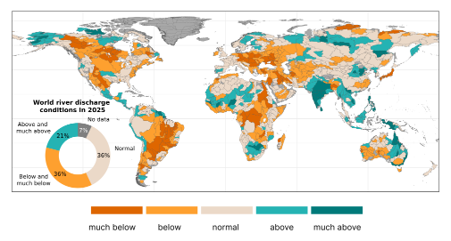
- 2025 was one of driest years for river discharge globally in 35 years, with below-normal flows over 36% of global basin area. This is based on data from simulations from 13 global hydrological models, driven by observed weather data.
- For the seventh year in a row, the number of river basins with “normal” conditions was in a clear minority: ranging between 34-38%, compared to the average of 46% between 1991-2020, according to the report.
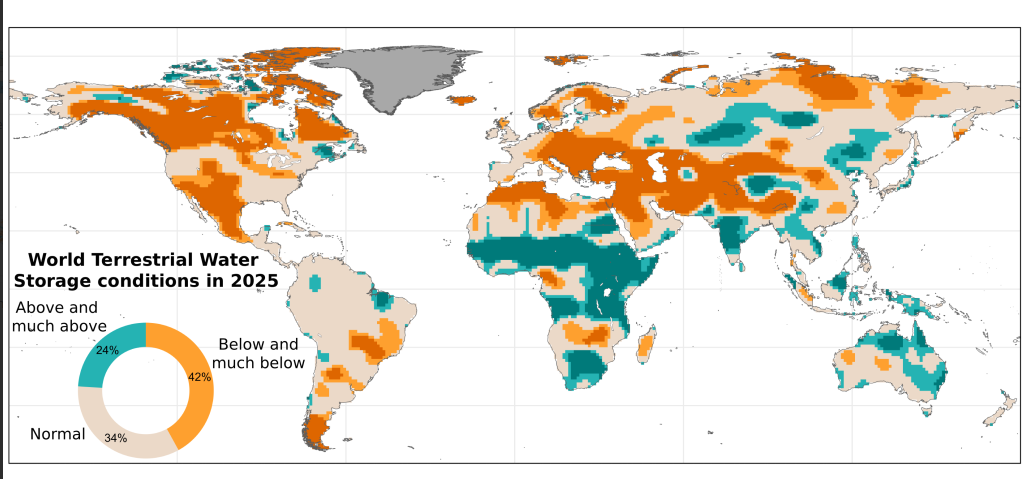
- Terrestrial water storage – the total amount of water stored in groundwater, lakes and rivers, soil moisture, vegetation and ice and snow – has been in decline since mid-2010s.
- 2025 marked the fourth consecutive year with widespread glacier loss across all regions – leading to short term hazards like floods and long-term water insecurity. Between 2023-2025 glaciers lost mass in each reporting year with cumulative global glacier mass loss at 1400 Gigatonnes of water. This is roughly equal to the water required to fill about 560 million Olympic-sized swimming pools, or about one third of annual freshwater withdrawals.
- In each of the past five years, National Meteorological and Hydrological Services around the globe reported record-breaking floods and droughts. Some places have had no recovery time between one event and the next.
“Water respects no borders. A river basin’s water balance depends on what happens in another country. A glacier’s retreat in one country reshapes water availability for populations hundreds of kilometers downstream. This is precisely why we need shared data, shared standards, and shared early warning — the exact function WMO exists to perform,” said Celeste Saulo.
Dozens of experts from National Meteorological and Hydrological Services, data centres, researchers and partner institutions shared in situ observations, model outputs and space-based data and contributed to the report, which has expanded from three to 15 hydrological variables since the first edition in 2021. Country coverage has greatly expanded. However, Africa and Asia are still among the least represented regions in terms of hydrological observations in the report, even though they are most affected by extremes.
Key findings
Climate
2025 was one of the warmest years on record. A weak La Niña emerged towards the end of the year after neutral conditions, and there was a predominantly negative Indian Ocean Dipole, which influenced precipitation.
River basins
Across the five reporting years (2021-2025), recurring below-normal river discharge was observed in major parts of the Amazon and La Plata basins, North America, Central and East Africa, Central Asia and the Middle East.
Annual river discharge in 2025 was above-normal to much-above-normal across South and South-East Asia and parts of northern South America. In Africa, there were above-normal flows in the Senegal, Niger, Lake Chad, Orange and Limpopo basins, but much-below-normal discharge in the Nile, Congo and Zambezi basins.
Below-normal to much-below-normal river discharge affected several major regions, including much of North America, the La Plata and São Francisco basins of South America, Eastern European basins, the Middle East and Central Asia.
Reservoir and lake levels followed similar geographical trends as for river basins. African lakes were largely much above normal, with Kariba a notable exception.
Terrestrial water storage
Terrestrial water storage shows a persistent negative trend since 2014-2016 with increasing area under below-normal conditions.
Between 2021-2025 below-normal terrestrial water storage repeatedly affected the south-western United States, Patagonia and the subtropical Andes, the Ganges–Indus headwaters, North Africa, the Middle East, Central Asia and eastern China, while persistent positive anomalies occurred in parts of sub-Saharan Africa, the Sahel and the Tibetan Plateau.
In 2025, it was below-normal in northern and southwestern North America, Patagonia, Eastern Europe, the Middle East, Central Asia, eastern Brazil, northern India, parts of Northern Europe, the Russian Federation, China and Northern Africa. La Plata in South America showed signs of partial recovery from the long-term drought.
Much-above-normal storage continued from 2024 into 2025 in Central and Southern Africa.
Groundwater levels
Persistent groundwater deficits were observed during 2022–2025 in parts of the Americas, Europe, the Middle East, India, southern Africa and Australia.
Persistent and widespread below-normal to much-below-normal groundwater levels were observed across Central and Eastern Europe, central United States, parts of Mexico, northern and central Chile, northeastern and central-western Brazil, northern South Africa, northwestern India and parts of southern Australia, pointing to a cumulative depletion with multi-year drying trend.
There were above-normal to much-above-normal conditions include parts of France, much of Northern Europe, the southeastern United States, large parts of South Africa, South-East Asia, and eastern Australia.
Snow cover and glaciers
Snow conditions were below normal across Europe in 2025, whilst the Russian Federation and North America showed strong regional contrasts.
In the hydrological year 2025, glaciers lost 408 (±132) Gigatonnes of mass, equivalent to 1.1 (±0.4) mm of sea-level rise. It marked the fourth consecutive year in which every major glaciated region recorded a net loss.
Central Asia, South Asia West, Russian Arctic, Iceland, Western Canada and USA all recorded annual mass balances that ranked among the three most negative years on record for that region.
Some regions dominated by smaller glaciers, such as the Caucasus, Western Canada and the USA, and Central Europe may already have reached “peak water conditions,” the threshold where the glacier reaches its maximum runoff due to melting.

Extreme events
From 2021-2025, South America’s La Plata and Amazon basins, the Middle East and the Greater Horn of Africa experienced persistent multi-year drought conditions, while severe floods repeatedly affected West and Central Africa and South-East Asia.
Asia and Africa were the regions most affected by extreme hydrometeorological events in 2025, with several African countries experiencing major flooding for two (Nigeria) or three consecutive years (Democratic Republic of the Congo).
South and South-East Asia was hit by compound tropical cyclones and intense monsoon, leading to up to 3 600 deaths across affected countries – Sri Lanka, Pakistan, Viet Nam, Indonesia, Thailand, Malaysia, the Philippines.
Assessing the economic losses associated with water-related disasters remains challenging in many countries.
Jamaica reported that hurricane Melissa resulted in losses equivalent to 41% of GDP. Cyclone Ditwah cost Sri Lanka around 4% of GDP.
Severe drought gripped East Europe, the Mediterranean, and Middle East and also returned to the Greater Horn of Africa after one of the driest October–December seasons on record linked to La Niña and a negative Indian Ocean Dipole.
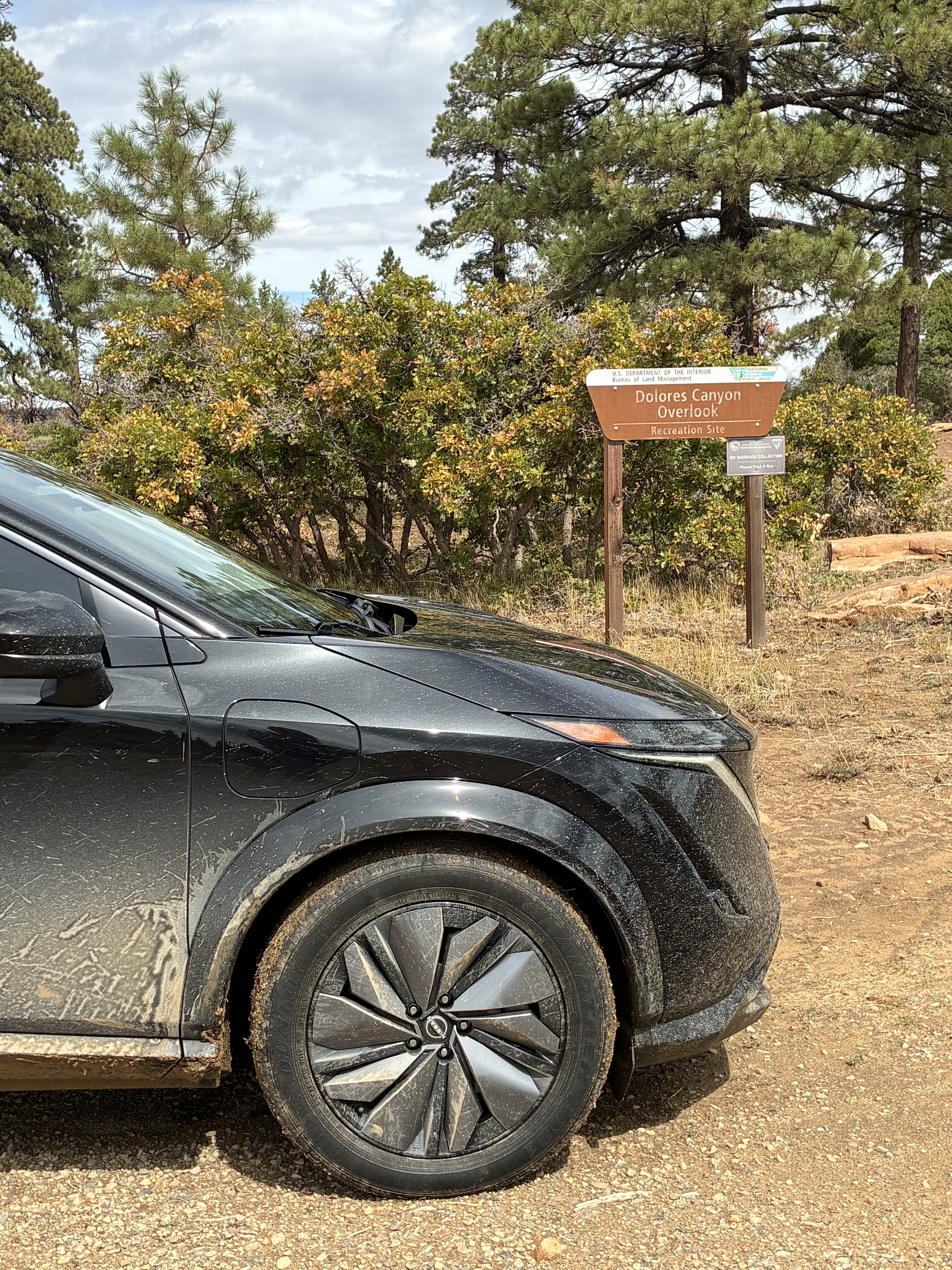
Back in the early 2000s the Gulch’s bought a home between Dolores and Cortez in anticipation of retiring to Montezuma County. We rented out the home and 6 acres, carved out of an old apple and pear orchard, to offset the mortgage payment. We’d visit the renters frequently and spend time driving (and 4-wheeling) around the area and one of Mrs. Gulch’s favorite spots was the Dolores Canyon Overlook. For sentimental reasons the overlook was my driving goal on Wednesday.

In July of this year the Ferris Fire impacted the area.
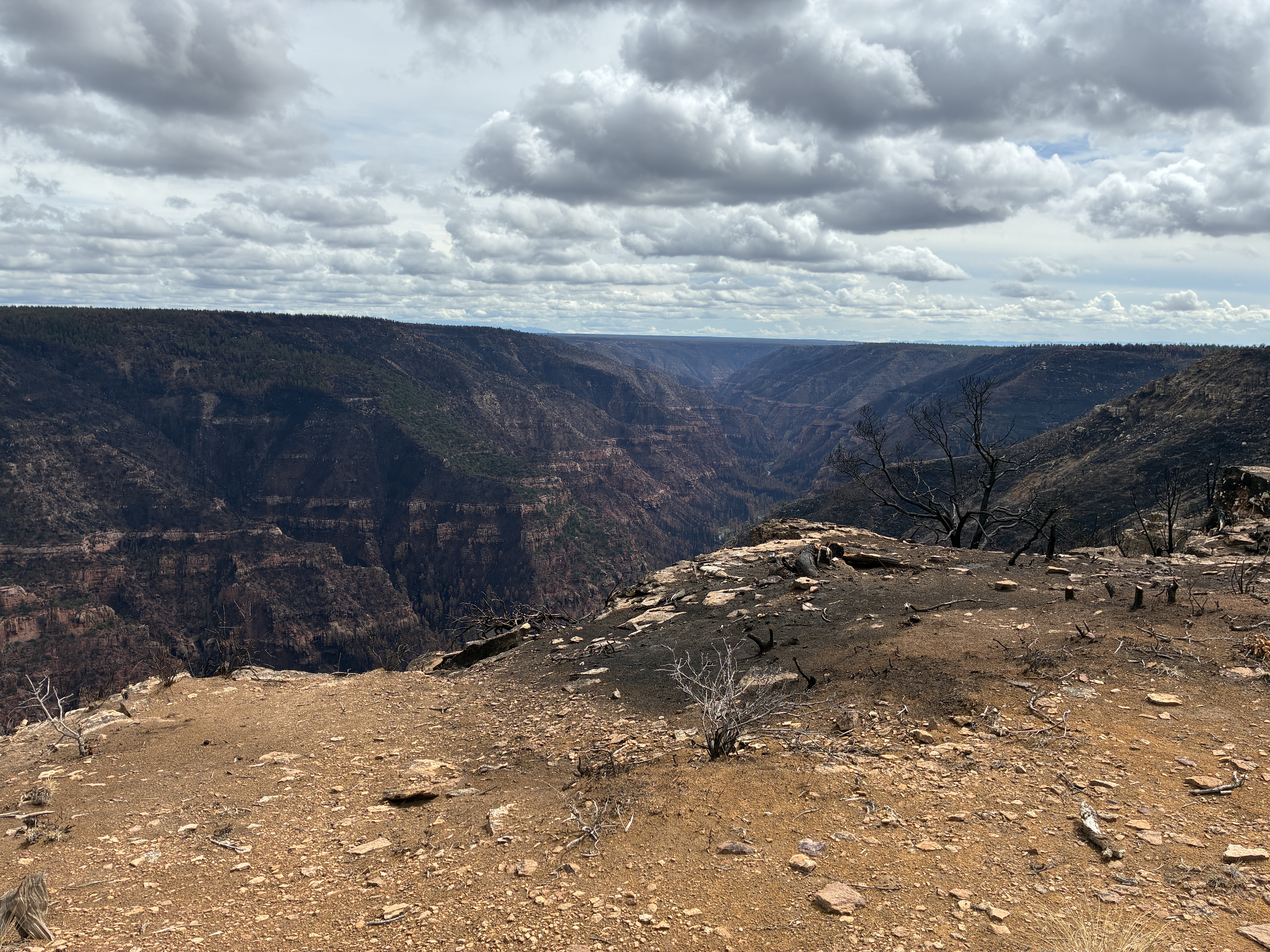
You can see the clouds in the sky from the monsoonal moisture yesterday. Rain this week had soaked the area and the road to the overlook was very muddy in spots. I worried about getting stuck as soon as I turned off the gravel road onto the dirt road to the overlook. (Note: The Ariya is all-wheel drive and performed well.) I knew about how road conditions can turn muddy and slippery in the area having once encountered the worst of it, slipping and sliding, from the top of the Uncompahgre Plateau down to the San Miguel River near Uravan. We spent the night in the middle of the road because it was getting dark and I feared sliding off, not being able to see well.
Yesterday, as I was heading to the overlook, I passed a motorcyclist that had lost control in a very muddy section. I stopped to help, as we do out here in the West, and as it turned out, I made a new friend. Anna Odyssey was the motorcyclist, I learned, after helping her get the motorcycle upright on my return from the overlook. She is traveling all over on her motorcycle with no particular end point from day to day, camping most of the time, and stopping to learn about the country she is traveling through. (Click the Facebook link.)
I loved that when we got the Triumph motorcycle upright and ready to ride she asked if there were other difficult sections ahead. Of course there were more puddles and slick spots but I was sure, now that she knew what to look for, that keeping her motorcycle saddle up was possible and probable. She said, “I’m going to leave all my stuff here and go to the overlook, I won’t let this road beat me!”
Safe travels Anna!
September 10, 2026
Welcome to the first edition of the Land Desk’s Newswire, a human-curated summary (we are a non-AI shop, FYI) of some of the week’s biggest headlines that concern land, water, and other Western issues. I’m still working out the timing of this, and how it will meld with the week’s other dispatches, so expect some adjustments in coming weeks. Please give it a gander and, as always, I appreciate your feedback.
🚣🏽 WATER WATCH 🌊
- New Mexico officials release about 2,000 acre-feet of water from Abiquiu Dam to provide a temporary un-drying of the Rio Grande’s desiccated riverbed through Albuquerque in an attempt to nourish stressed vegetation, recharge the aquifer, and to study the effects of such pulses. Audubon Southwest leased about 300 acre-feet of the water from various users, the Middle Rio Grande Conservation District contributed 300 acre-feet more, and the Albuquerque Bernalillo County Water Utility Authority provided the remaining 1,400 acre-feet from its share of river imported from the Colorado River Basin via the San Juan-Chama Project. (Inkstain, Laura Paskus, KUNM)
- Aurora Water — a municipal utility on Colorado’s Front Range — looks to buy Lower Arkansas Valley farmers’ water rights to feed the city’s future growth, sparking concerns about negative impacts of “buy and dry” deals. But officials say it would be a “buy and (only partially) dry” deal that keeps some of the water in agriculture. (Colorado Sun)
🌵 PUBLIC LANDS 🌲
- A new study finds federal land management agencies spent $1 billion less on vendors in Western states in 2025 compared to 2024, acutely affecting the small business sector. Some of the largest cuts were to wildland fire management investments, particularly on-the-ground suppression work as spending was shifted to aerial firefighting. (news release)
- Conservation groups file a lawsuit challenging oil and gas leasing on hundreds of thousands of acres of public land in big-game migration corridors and wilderness quality lands in Wyoming and Colorado, saying the BLM violated federal law by skirting environmental protections. (news release)
- The Bureau of Land Management seeks public input on 38 proposed oil and gas leases on 66,221 acres in northwestern Colorado that would be auctioned off in March 2027. The bulk of the parcels are under the jurisdiction of the BLM’s Kremmling and Little Snake River field offices, with one in the Royal Gorge office. (news release)
🦫 WILDLIFE WATCH 🦅
- Colorado Parks and Wildlife officers euthanize a lethargic and unresponsive 300-pound male bear in Durango, finding that its stomach and intestines were completely blocked with trash. “We’ve all heard the oft-repeated phrase ‘garbage kills bears’ for years,” said Bryan Peterson of Bear Smart Durango. “And many have asked how in the world does trash get bears killed? Well, in many ways, but sometimes literally. Our community’s tepid approach to trash management got a bear killed. Thankfully, its pain and suffering was ended.” (news release)
- Colorado Parks and Wildlife officers “lethally remove,” i.e. kill, two male yearling wolves from two separate packs after the animals were linked to attacks on sheep and cattle in Rio Blanco and Pitkin counties. (news release, Summit Daily)
🐮 GRAZING GAZETTE 🥩
- A Wyoming advocate shows how the state’s agriculture industry’s resource footprint — in terms of water use for irrigation and land-use for livestock grazing — significantly dwarfs its statewide economic footprint, and that should be considered before giving ranchers outsized political influence. (WyoFile)
🛢️ HYDROCARBON HOEDOWN 📈
- A pair of peer-reviewed studies link Permian Basin oil and gas operations to radioactive plumes and high ozone pollution in Loving, New Mexico, and other nearby communities, potentially increasing lung cancer and other health risks. (Capital & Main)
- The Bureau of Land Management and Southern Ute Indian Tribe launch a planning process to guide and analyze oil and gas development on 110,000 acres of tribal trust land within the tribe’s land in southwestern Colorado. (news release)
⛈️ WACKY WEATHER WATCH⚡️
- A massive sinkhole emerges in actor Nicolas Cage’s oceanfront house’s drivewayin Malibu, prompting city officials to declare and emergency, evacuate nearby homes, and shut off gas service in the gated community. Officials worry the situation could be worsened by forecasted high tides and rain and long-term weather disturbances resulting from the coming super El Niño. (Los Angeles Times)
🐓 REGULATORY CAPTURE CHRONICLES 🦊
- Radical right-wing U.S. Rep. Paul Gosar (R-AZ) and fellow House Republicans launch an investigation of nineteen conservation groups, accusing the entities of profiting at the expense of taxpayers via statutory fee-shifting provisions, which can reimburse the organizations for legal costs when they win in court. (AFP, news release)
🤖 DATA CENTERS 👾
- Pinal County, Arizona’s board of supervisors vote to reject Vermaland’s proposed data center complex following widespread local opposition, even though the developer scaled back the original proposal. The scaled-back proposed facility, spread across 3,300 acres, would have included 11 buildings and a gas-fired power plant. (AZ Family)
- Tribal nations and Indigenous advocates push back on data center developmentin Arizona, Oklahoma, Nevada, and beyond. (Washington State Standard)
- Oracle seeks proposals for the development of 2 gigawatts of new solar, wind, geothermal, or other renewable energy technologies to provide “carbon-free energy matching” for its Project Jupiter data center complex under development in southern New Mexico, which is expected to be powered by gas-fired fuel cells. The firm is also offering $1 million to support carbon capture and sequestration at the facility. (news release, KRQE)
- Creekstone Energy, the developer of the massive Delta Gigasite data center in central Utah, looks to use untested technology to “create” more water than it uses by capturing condensation from natural gas combustion at the plant dedicated to powering the facility. (Salt Lake Tribune)
- Arizona Gov. Katie Hobbs (D) opposes Attorney General Kris Mayes’ call for a pause on new data centers to get a better handle on their water and energy use, acknowledging the concerns are valid but saying a statewide moratorium is the wrong approach. (AZ Family)
- A peer-reviewed study finds that data centers, which typically combine large capital investments with little local labor demand, can strain a community’s public infrastructure without generating widespread economic gains. (SSRN)
🔋ENERGY TRANSITION 🔌
- Officials and residents of the Coalmine Canyon Chapter of the Navajo Nation push back against 750-megawatt solar-plus-storage installation in northern Arizona, saying the developers have been less than transparent and the power will not go to local homes, many of which are off the grid. (High Country News)
- Accelergen Energy proposes a 125-megawatt solar-plus-storage installation on about 900 acres east of Cortez, Colorado. (Durango Herald)
- A new study finds small-scale, front-of-the-meter solar-plus-battery installationscould serve about 32% of California’s largest utilities’ peak summer electricity demand; analysts say developing this asset would improve reliability and preserve affordability without significant transmission upgrades. (Utility Dive)
📈 DATAVIZ OF THE DAY 📊
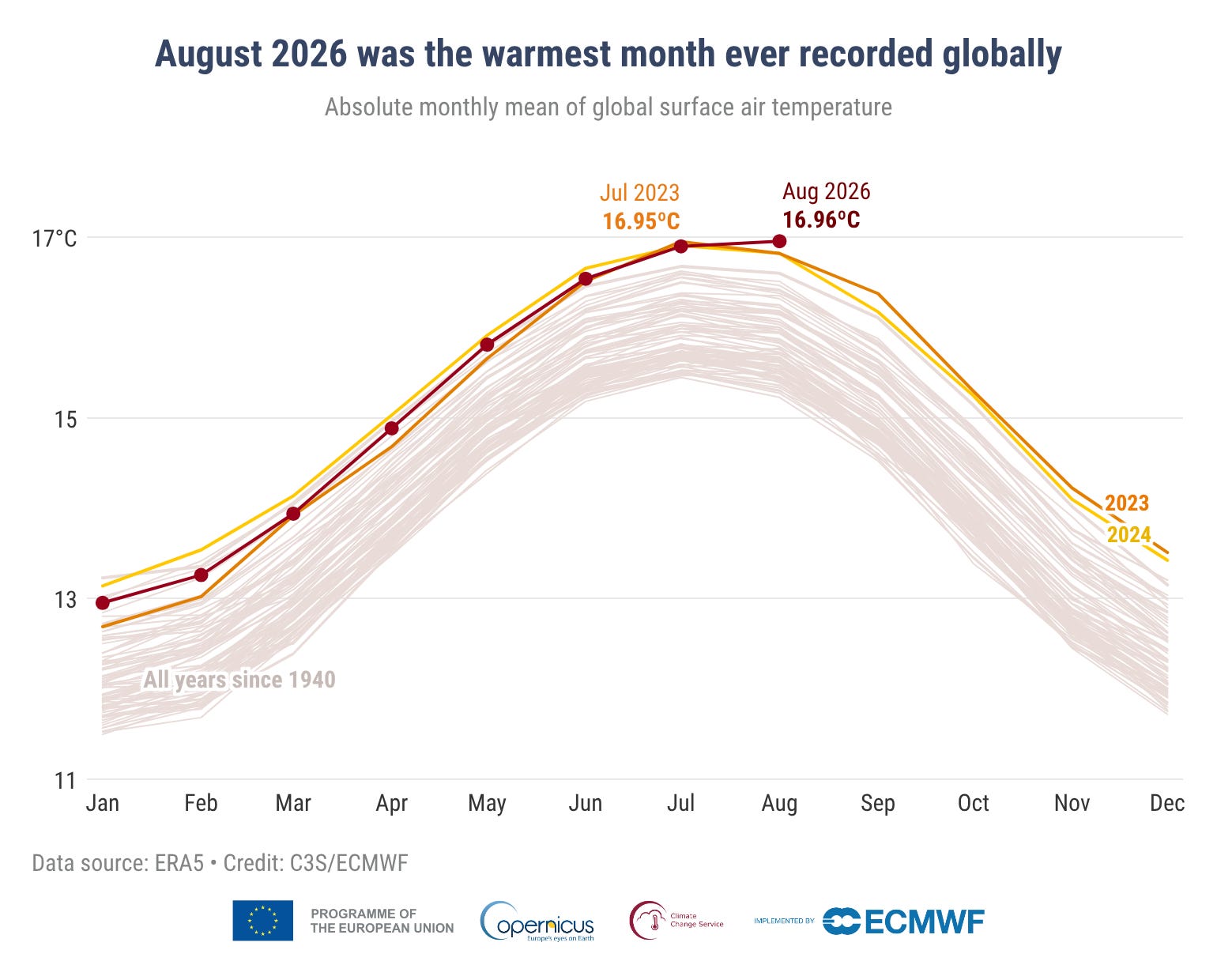
The stats for August are in and, well, it was a warm one. This August was the hottest August on record for the contiguous United States, as well as for many counties in the Southwest. It was also the hottest month on record globally, barely edging out July 2023 for the dubious honors.

Click on a thumbnail graphic to view a gallery of drought data from the US Drought Monitor website.


Click the link to go to the US Drought Monitor website. Here’s an excerpt:
This Week’s Drought Summary
Last week, there were several areas that had significant rainfall amounts. One area was over Iowa, eastern Nebraska and Kansas, and northwest Missouri, where more than 4 inches fell in central Iowa and southeastern Kansas. Another area was centered over Ohio, West Virginia, and western Pennsylvania, where conditions were already wet. Much of Florida and the Gulf Coast received 2 to 4 inches of precipitation in the past week. Most of the southwest U.S. received little rain, with exceptions of scattered monsoonal precipitation along the New Mexico-Arizona border. Most of Texas and Oklahoma continued to be dry, as was the majority of the western Great Plains.
Temperatures in the southern Great Plains and lower Mississippi valley continued to be very warm, in some locations over 10F above normal. Most of the rest of the continental U.S. was also above normal. The only areas with below normal temperatures for the past week were in northern New England as well as most of the northwest states…
High Plains
Eastern Kansas had above normal precipitation over the past week; this led to improvement in drought conditions in this area. Eastern Nebraska and eastern South Dakota also had decent rainfall and resulting improvement to drought. Other areas of South Dakota that missed out on the rain had drought degradation. Colorado had drought degradations in the center part of the state, with drought improvements in both the southwest and southeast parts. Extreme drought continues over much of Colorado and Wyoming, western Nebraska and the Dakotas, and in eastern North Dakota. Exceptional drought is observed over much of central Colorado as well as two localized areas in far western Nebraska…
West
An area from southwestern Oregon to central Washington into northern Idaho and Montana received some welcome rainfall during the week. The rain resulted in regional improvements in drought conditions. One location that just missed out was in northwest Washington on the Canadian border, resulting in a drought degradation, where continued low streamflows were observed. There were also areas on the California-Nevada border and central Arizona with drought degradation that also received little-to-no rainfall. Extreme drought is shown over much of central Oregon, central Utah, southern Idaho down into northern Nevada, and small areas in northern Washington and southern Arizona. Exceptional drought continues in southern Idaho, northern Nevada, and northeastern Oregon…
South
Extremely above normal temperatures continued in this region over the past week. Nearly all locations had drought deterioration, with the exceptions of northern Arkansas, northeastern Oklahoma, and coastal Mississippi. Much of Texas and into the Ark-La-Tex area experienced flash drought conditions. In addition to the heat, these areas received little rainfall in the week. Extreme to exceptional drought conditions are noted in far south Texas, most of northern Texas into western and southern Oklahoma, northwestern and northeastern Arkansas, and along the Arkansas-Mississippi border…
Looking Ahead
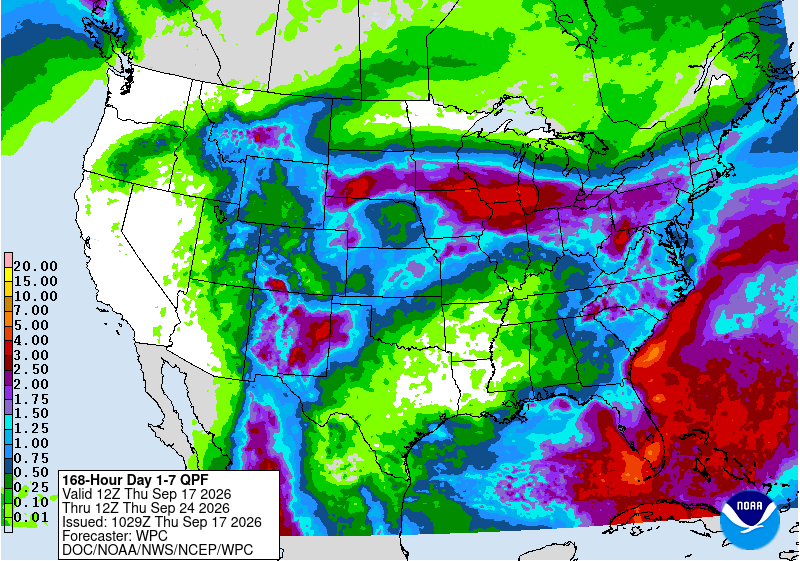
Over the next five days leading up to next Tuesday, above normal rainfall is forecast in south Florida as well as a large area in southern Wisconsin and Minnesota into eastern Iowa and northern Illinois. The latter area of forecasted rainfall continues to the east through central Michigan, the southern Great Lakes, Pennsylvania, New York, and much of central and southern New England. Other locations with rainfall in the forecast this week are in the Appalachian Mountains, the western Great Plains, and the Four Corners states. Unfortunately, most of Texas, Oklahoma, Arkansas, Louisiana, Mississippi, and Alabama are forecast to receive little rainfall. Dry conditions are also forecast in California, Nevada, and Washington. Much above normal temperatures are forecast to continue this week in the central and southern U.S.
The 6- to 10-day outlook (September 22-26, 2026) favors above normal temperatures continuing over nearly all of the continental United States. Areas most likely to be above normal are again the south into the southeast, plus the far north. Hawaii is also likely to be above normal. For precipitation, the Eastern Seaboard is likely to have above normal rainfall as is the Southwest. The central U.S. into the upper Midwest is likely to have below normal rainfall. Hawaii and Alaska are both likely to have above normal rain during this period.
Click the link to go to the Western Water Assessment website to read the latest briefing:
Latest Briefing
September 14, 2026 – CO, UT, WY
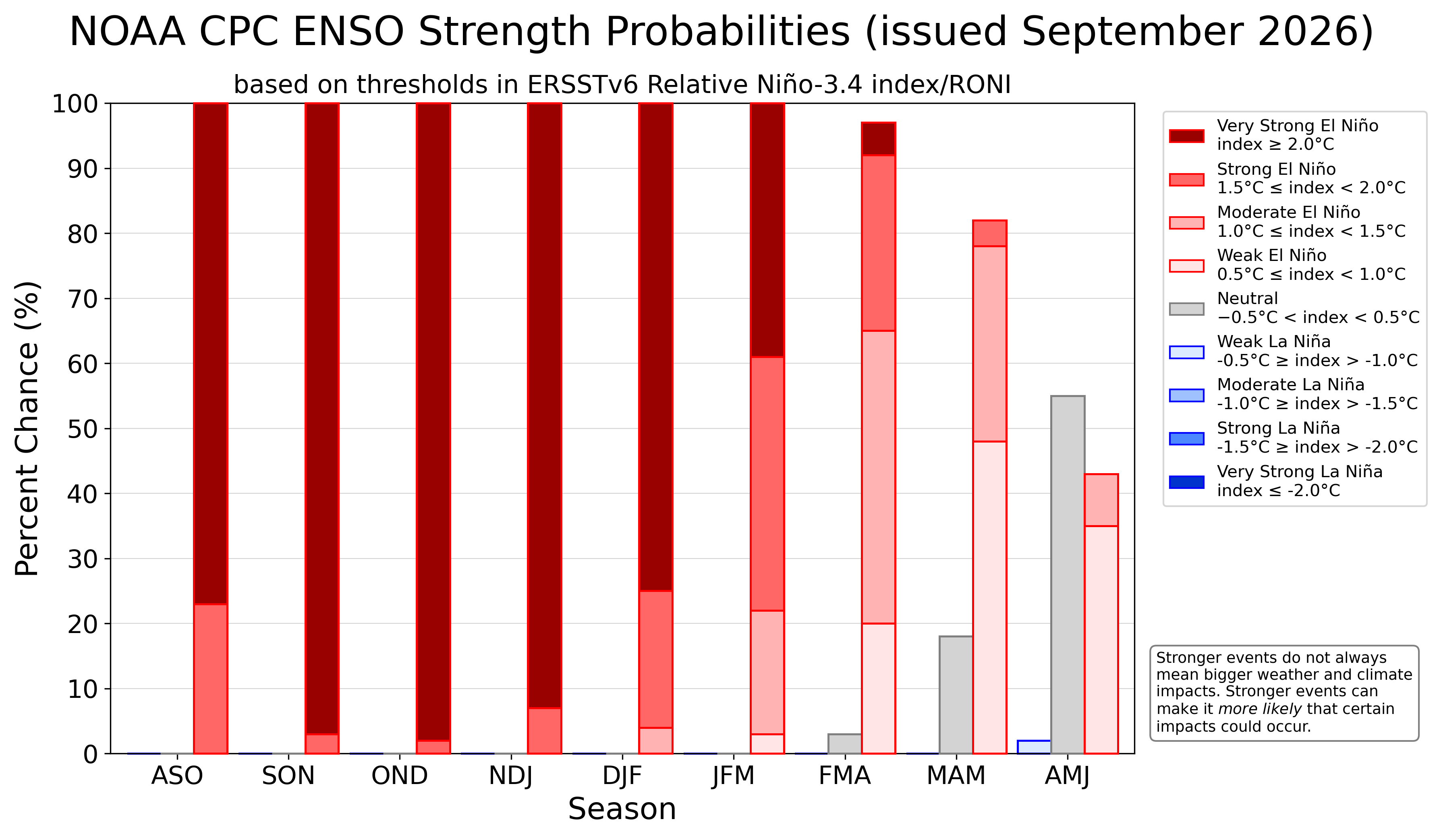
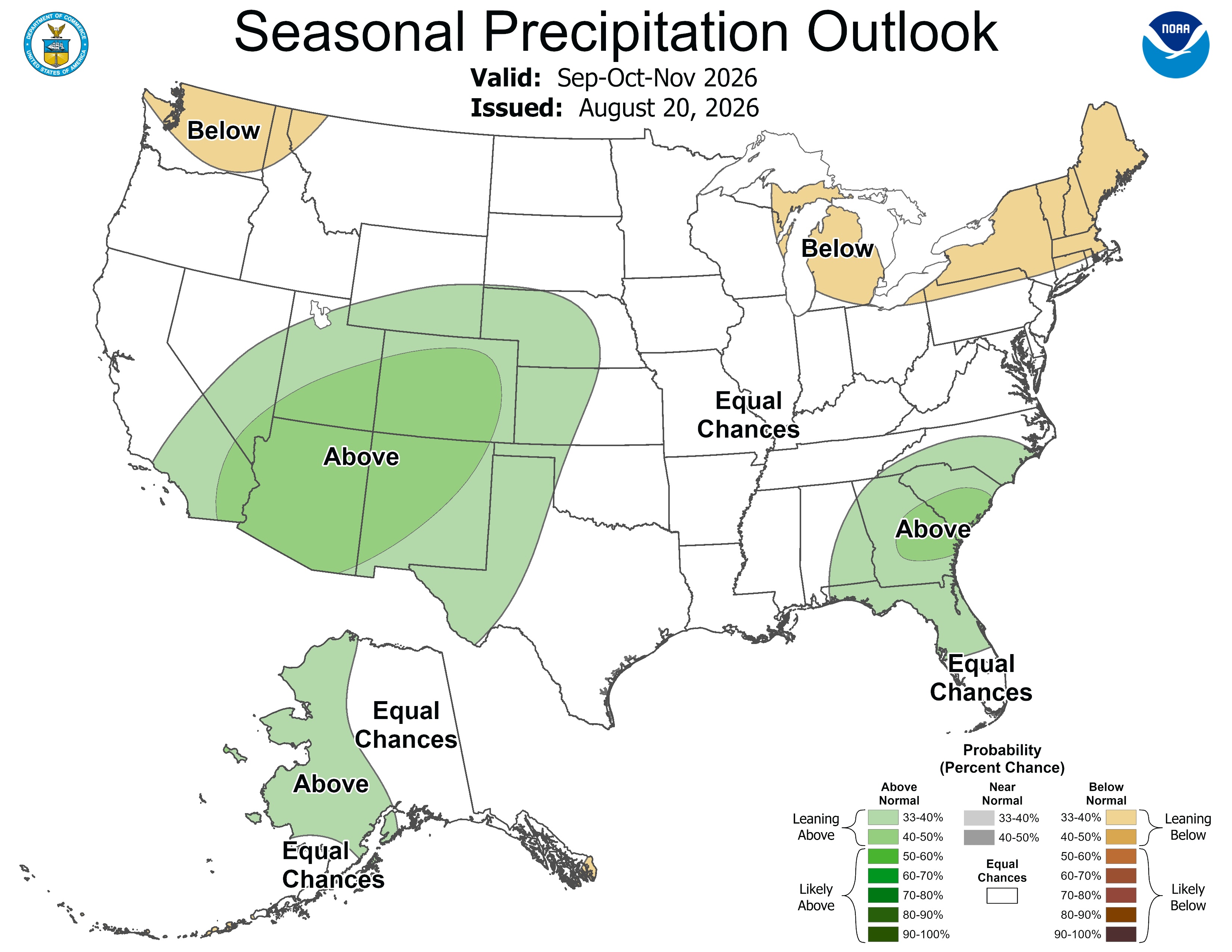
August precipitation varied across the region due to scattered monsoonal thunderstorms. Regional temperatures were above average in August, and Colorado experienced its warmest August on record, while Utah experienced its second warmest on record. Streamflow conditions were below average for most regional rivers, especially in Colorado and Utah, where many streamflow gages observed record-low daily streamflows. Regional drought coverage changed little from the beginning of August to September and is at 96%. El Niño conditions persist, and there is a greater than 90% probability of a very strong El Niño event during fall and winter 2026-27. NOAA seasonal forecasts indicate an increased probability of above average temperatures for the region, and above average precipitation for Colorado, Utah, and southern Wyoming during September–November.
August precipitation varied across the region, from below average precipitation in southern Colorado, southeastern Utah, and northeastern Wyoming, to above average precipitation in northern and eastern Colorado and much of Utah and Wyoming. Monsoonal thunderstorms caused high variability of precipitation in each state. For example, parts of Emery and adjacent Wayne counties in southeastern Utah experienced below 25% of average conditions, while most counties north and west of there experienced above 150–200% of average conditions.
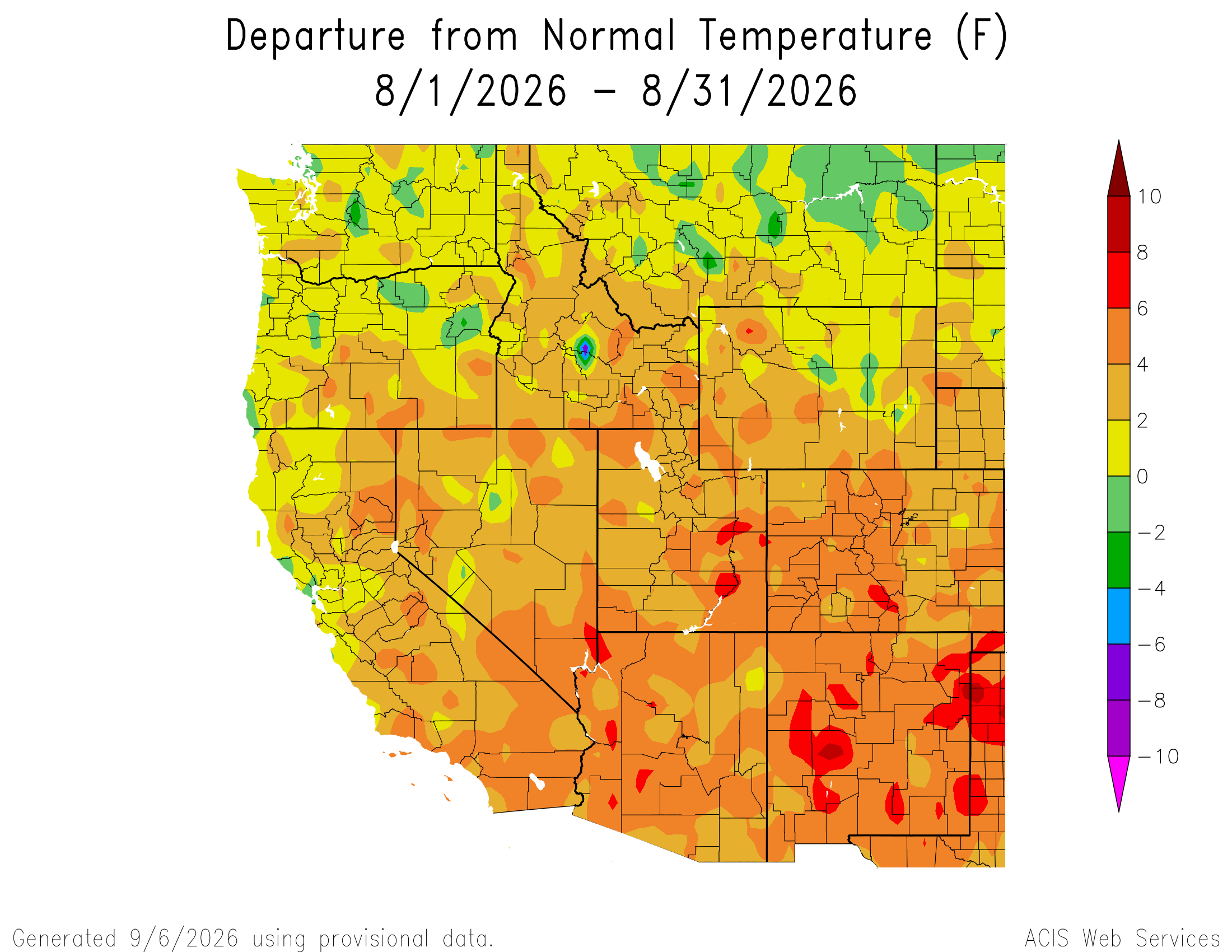
Regional temperatures were above average in August, with near average temperatures in northern Wyoming. August temperatures were generally 2–4°F above average, but temperatures for much of western Colorado and eastern Utah were 4–6°F above average. Small pockets of 6–8°F above average temperatures occurred in south-central Colorado and southeastern Utah. It was the warmest August on record for Colorado, the second warmest on record for Utah, and the seventh warmest on record for Wyoming. It was the warmest meteorological summer (June–August) on record for Colorado and Utah, and the sixth warmest on record for Wyoming.
At the beginning of September, streamflow was below average for most regional rivers, especially in Colorado and Utah. On September 9, record-low daily streamflow was recorded at 30 or more sites in Colorado, 10 sites in Utah, and two in Wyoming. Western Colorado streamflows are particularly below average, with most rivers experiencing record-low or bottom 10th percentile daily streamflow observations.

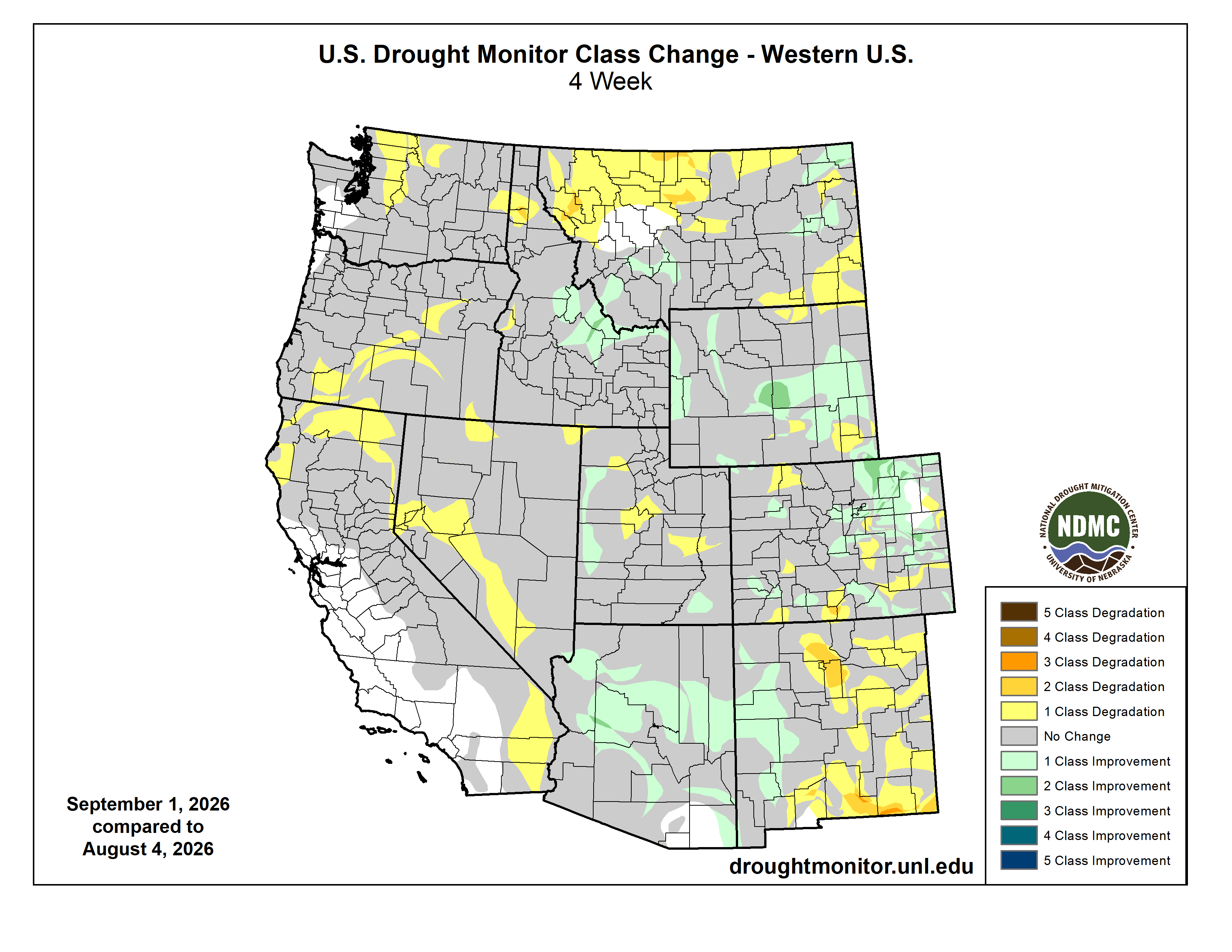
By September 1, regional drought coverage was at 96%. Similar to the beginning of August, drought covered the entire region except for a portion of northeastern Colorado, where monsoonal thunderstorms have continued to help relieve the area of drought conditions. Coverage of moderate (D1) drought conditions decreased slightly to 89% in Colorado, remained at 100% in Utah, and increased slightly in Wyoming to cover 100% of the state. Coverage of exceptional (D4) drought conditions decreased to 12% in Colorado, and extreme (D3) drought conditions remained at 35% in Utah and decreased to 29% in Wyoming, a 15% improvement from the beginning of August.

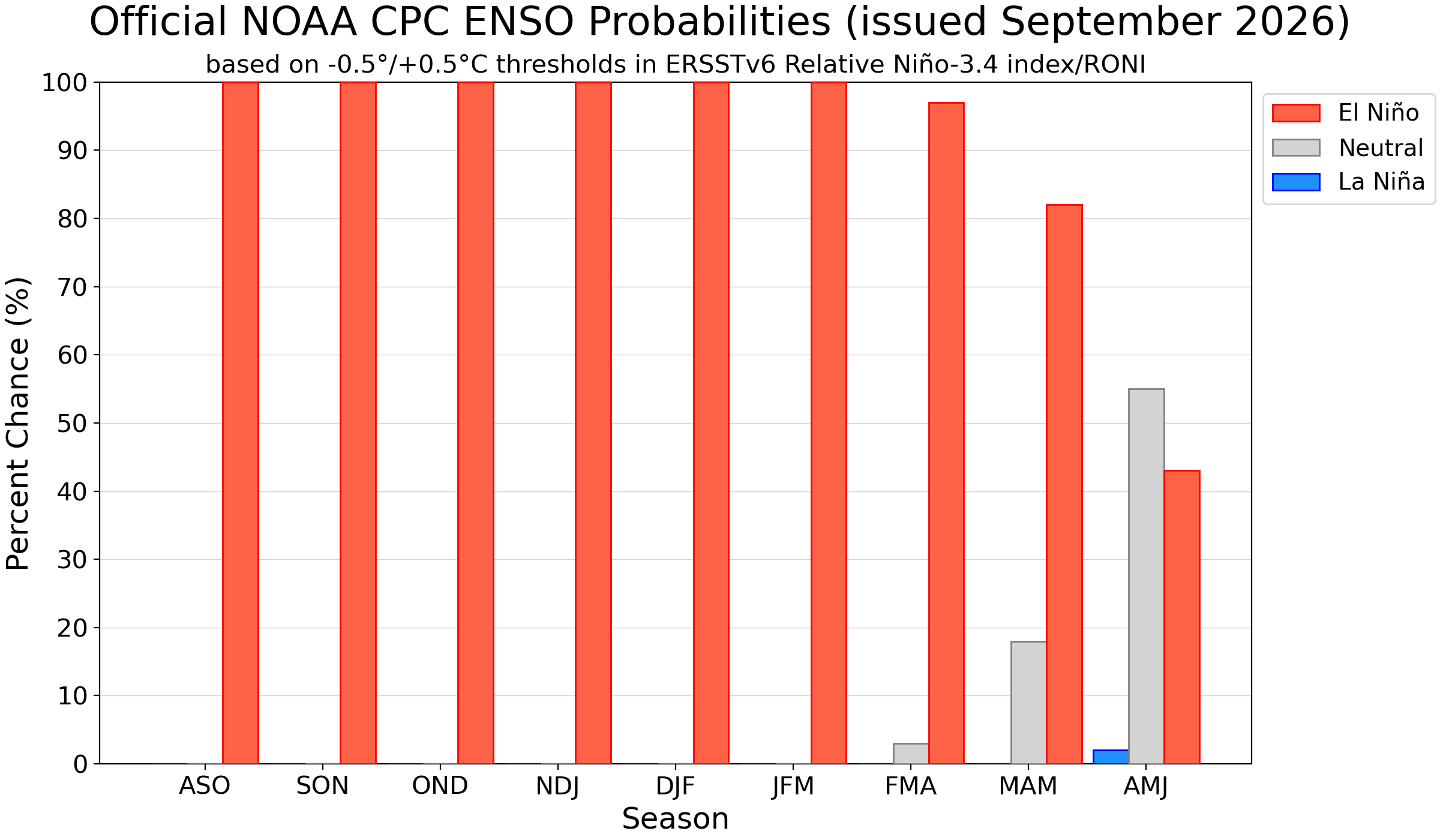
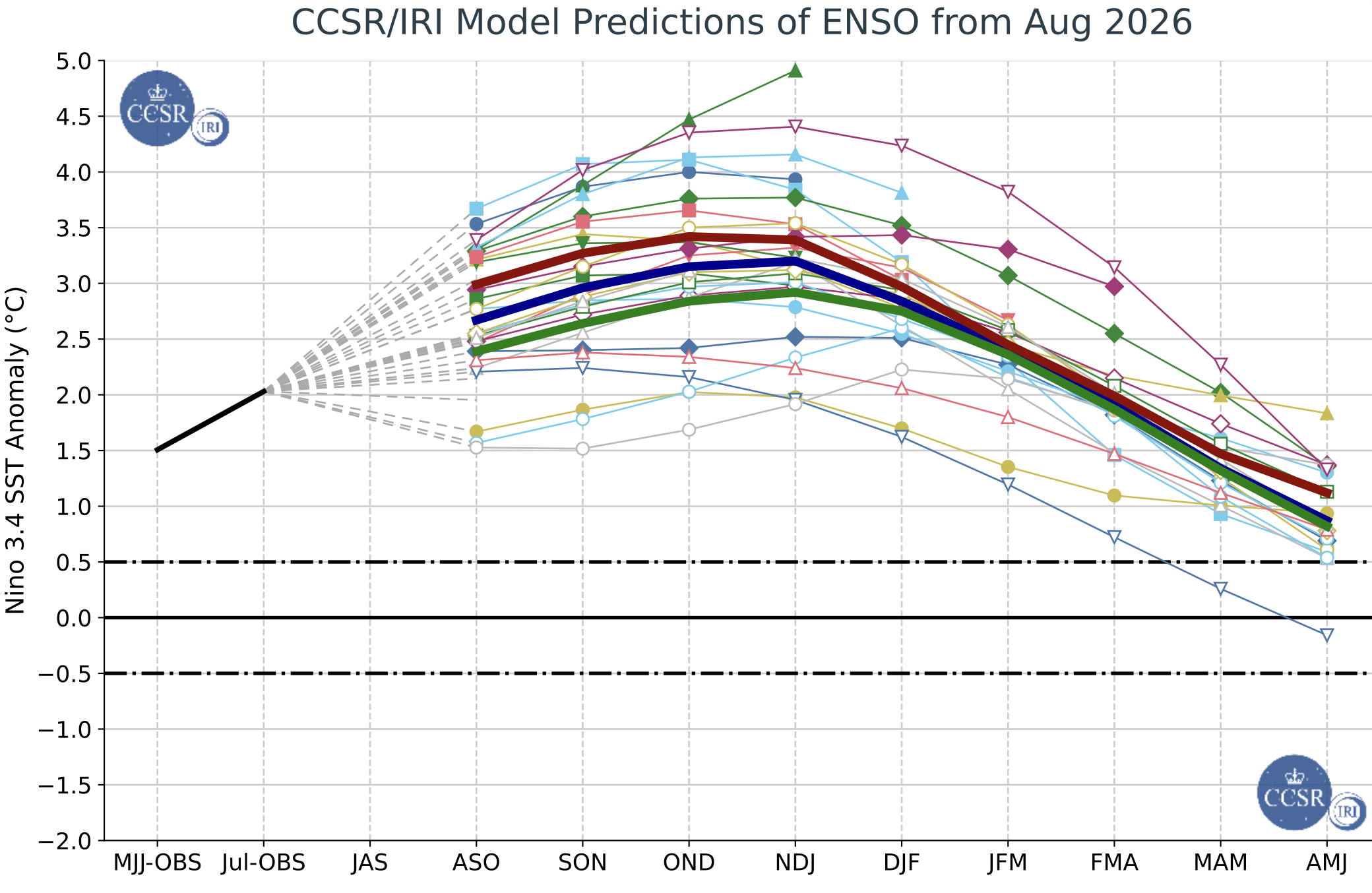
El Niño conditions persist in the eastern Pacific Ocean, with sea surface temperature anomalies running 1.8ºC above average in the Niño-3.4 index. There is a greater than 90% probability of a very strong El Niño event during fall and winter 2026-27, with as high as a 98% probability of a very strong event from October–December. Current forecasts of peak Pacific Ocean temperatures are 3–3.5ºC above average, indicating what could be the strongest El Niño on record. There is a 100% probability of El Niño conditions continuing at least through January–March 2027. NOAA seasonal forecasts indicate an increased probability of above average temperatures for the region, and above average precipitation for Colorado, Utah, and southern Wyoming during September–November, suggesting an active monsoon and the possibility of tropical storm remnants for the remainder of the season.

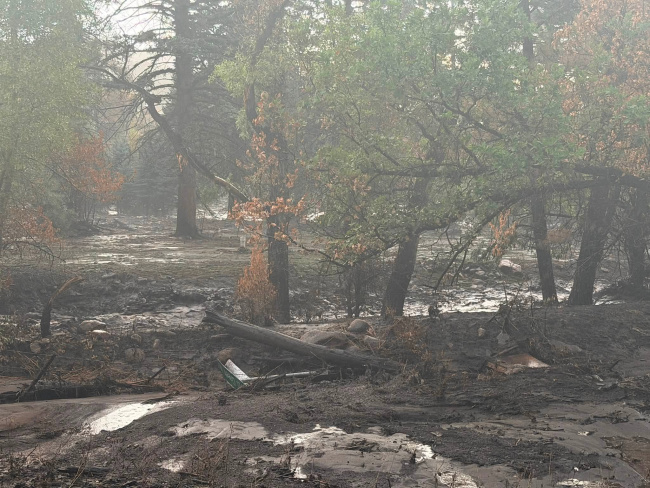
Significant weather event: Aspen Acres burn scar flooding. On July 28 and 29, severe thunderstorms brought intense rainfall and caused debris flow flooding in the community of Beulah, Colorado. The floodwaters damaged homes, washed out roads, and blocked bridges with debris. The Beulah Fire Protection and Ambulance District prompted emergency evacuations for residents and those along Highway 78. Rainfall rates were 1–3 inches per hour, and the muddy floodwaters carried rocks, burned trees, propane tanks, and other debris downstream. Highways 78 and 165, and other critical roads, were closed, limiting Beulah Valley access to essential and emergency services. Between Beulah and other nearby communities such as San Isabel and Wetmore, at least 11 homes were damaged by flooding, and many roads and culverts required emergency repairs.
On August 16, in about 1.5 hours, 1–1.5 inches of rain fell on the same burn scar in Beulah, triggering another major flash flood and resulting in the death of an 80-year-old resident who was swept away downstream by floodwaters. On August 23, Colorado Governor Jared Polis officially requested a Major Disaster Declaration (MDD) from the President and the Federal Emergency Management Agency (FEMA) to support recovery from the Aspen Acres and Gold Mountain Fires, and the post-wildfire flooding and debris flows on both burn scars.
Click the link to read the article on the Circle of Blue website (Brett Walton):
September 16, 2026
In the struggling Colorado River basin, where water is scarce, the White House has signaled its priorities for how to use the remaining gallons.
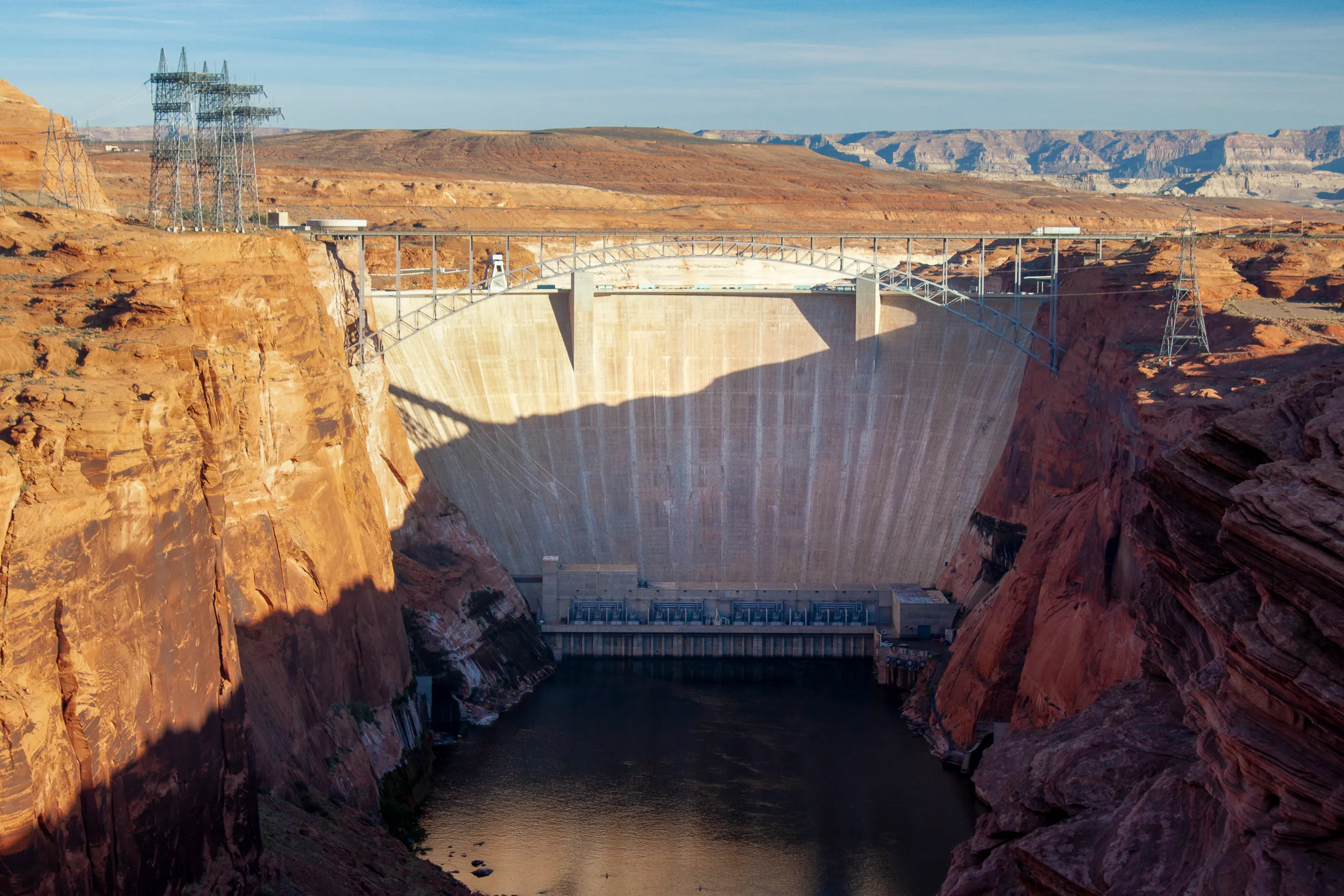
Even as scientifically-determined thresholds have been met for releasing water from Glen Canyon Dam for ecological and recreational benefits in Grand Canyon, the Trump administration has decided against those actions in this record-hot year – deciding not to release cold water from deep in Lake Powell to aid the humpback chub, a threatened fish species, and not to authorize a high-volume release of water to rebuild Grand Canyon’s eroded beaches, which are in terrible condition, according to federal monitoring.
These environmental releases would not change the total volume of water flowing out of Lake Powell over the year, just the timing.
Because the releases bypass the dam’s turbines and reduce hydropower generation, which is part of the administration’s “energy dominance” agenda, the Bureau of Reclamation, the federal agency that manages Glen Canyon Dam, will not be doing them.
“After evaluating management alternatives and considering all authorized purposes, the decision was made based on significant hydropower generation concerns under already strained system conditions,” Reclamation said in a statement in August.
The administration’s decisions foreshadow more difficult choices ahead. Due to climate change and overuse, the Colorado River is shrinking and warming. Its dams were built and river management goals were laid out during an era that anticipated healthy reservoirs. That is no longer the case. Because Lake Powell and Lake Mead are about a quarter of their capacity or less, the hydrological assumptions that inform current management strategies are outdated, said Jack Schmidt, a scientist who has spent his four-decade career studying the Colorado River.
“Everything needs to be revisited because the driving factors of the Colorado River ecosystem in Grand Canyon are now completely changed and probably forever changed,” said Schmidt of Utah State University’s Center for Colorado River Studies. “Everything was developed in a world of full reservoirs. And now the reservoirs are empty.”
Tradeoffs Plague Water Managers
Even in the best of times, managing a large dam on a major river is not easy. Dams alter the river’s natural patterns of flow and temperature. Operators must weigh one set of benefits against another group of costs.
Glen Canyon Dam is one of the thorniest management conundrums. Located near the Arizona-Utah border, the 63-year-old structure has emerged as the most significant water-supply choke point in the Colorado River basin and it is the focus of clamorous debate about water and power infrastructure in a drier climate.
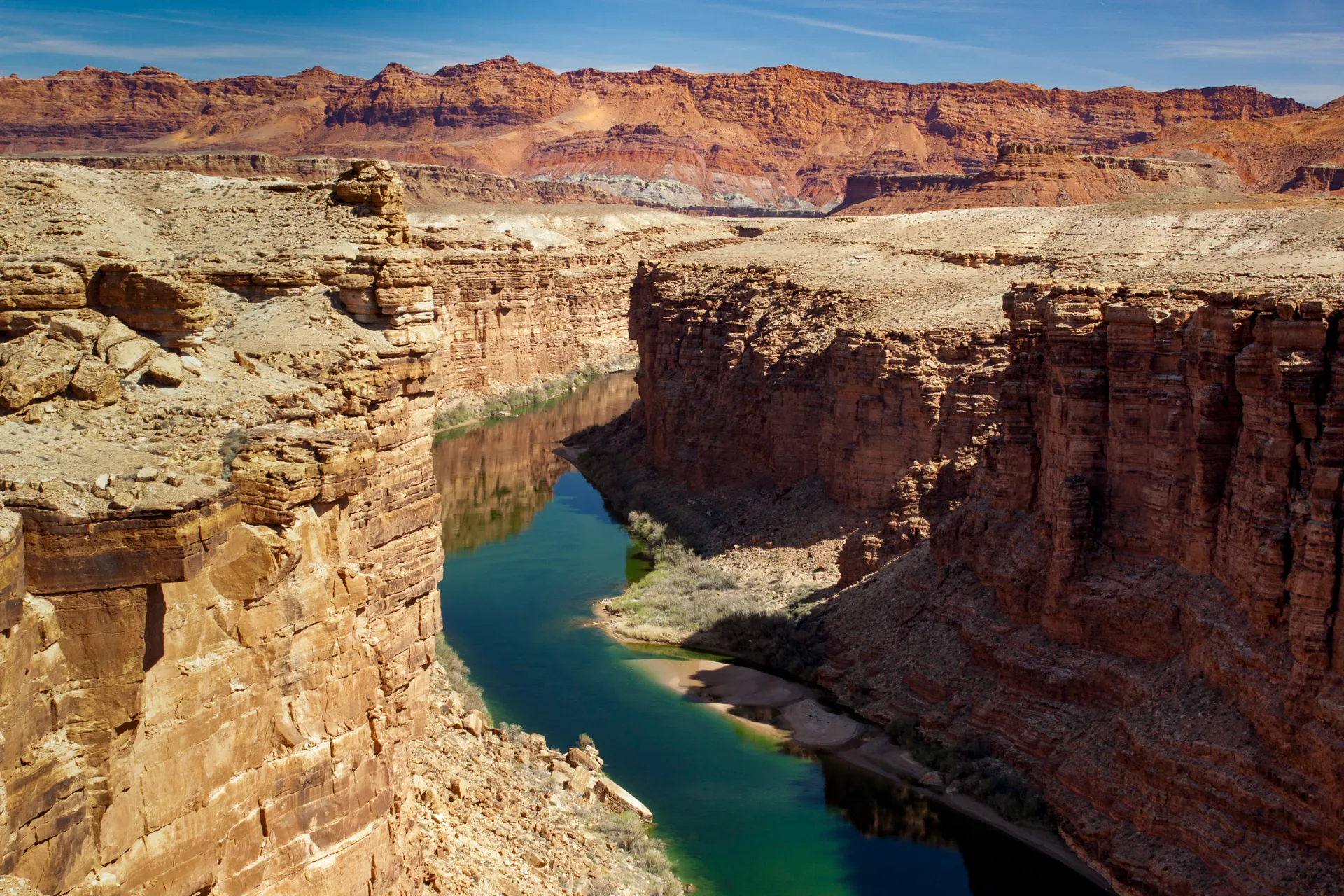
As managers grapple with how much water to release, Glen Canyon Dam is also choking the river of its natural supply of sediment. Without new inputs, sand bars and beaches in Grand Canyon are at risk of disappearing. These features provide habitat, give boaters a place to camp during river trips, and protect archaeological sites.
Most of the river’s sediment now comes from the Paria River and Little Colorado River, downstream of Glen Canyon. Periodic high-flow water releases from the dam mimic the thunderous floods of the past that carried sediment through Grand Canyon to fortify eroding beaches.
There is enough sediment in the Colorado River below Glen Canyon today to warrant a high-flow release. Yet Reclamation has not done one since 2023. Experts agree that Reclamation is highly unlikely to conduct one this fall either. A final decision will be made in the next few weeks.
The need for a high-flow release is mounting. In August, David Topping, a research hydrologist at the U.S. Geological Survey’s Grand Canyon Monitoring and Research Center, presented data showing the ill health of Grand Canyon beaches. A typical sand bar is smaller now than in 2016, when the current management plan that established the high-flow triggers was finalized.
The lack of high-flow releases has deprived researchers of crucial data on how the size and duration of these mini-floods, usually one to four days in length, aid beach-building.

“What can we do if the administration isn’t willing to allow us to use the bypass tubes for high-flow experiments, if that’s going to be off the table, at least for a while?” said Wayne Pullan, Reclamation’s Upper Colorado Region director, at a Glen Canyon management meeting in August, asking attendees to consider management options under political constraints.
“We’re in a pinch point,” Pullan added. “A real pinch point.”
Degraded beaches result in a degraded river experience, said David Brown of the Grand Canyon River Guides, a recreation advocacy group. Rafting groups have to compete for limited real estate in what is generally regarded as one of the world’s premier river corridors.
“When there’s less campable area, that means everyone’s kind of getting squished together or your toilet is next to where people are sleeping,” Brown said.
Non-Native Species Thrive in Warm Water
In addition to sediment, water temperature is the other blinking red environmental indicator.
Air temperature records in the basin are being obliterated this year. Colorado, home to the river’s headwaters, had its hottest summer ever. Scorching air temperatures are reflected in water. The Colorado River below Lake Powell is the warmest since Glen Canyon Dam was completed.
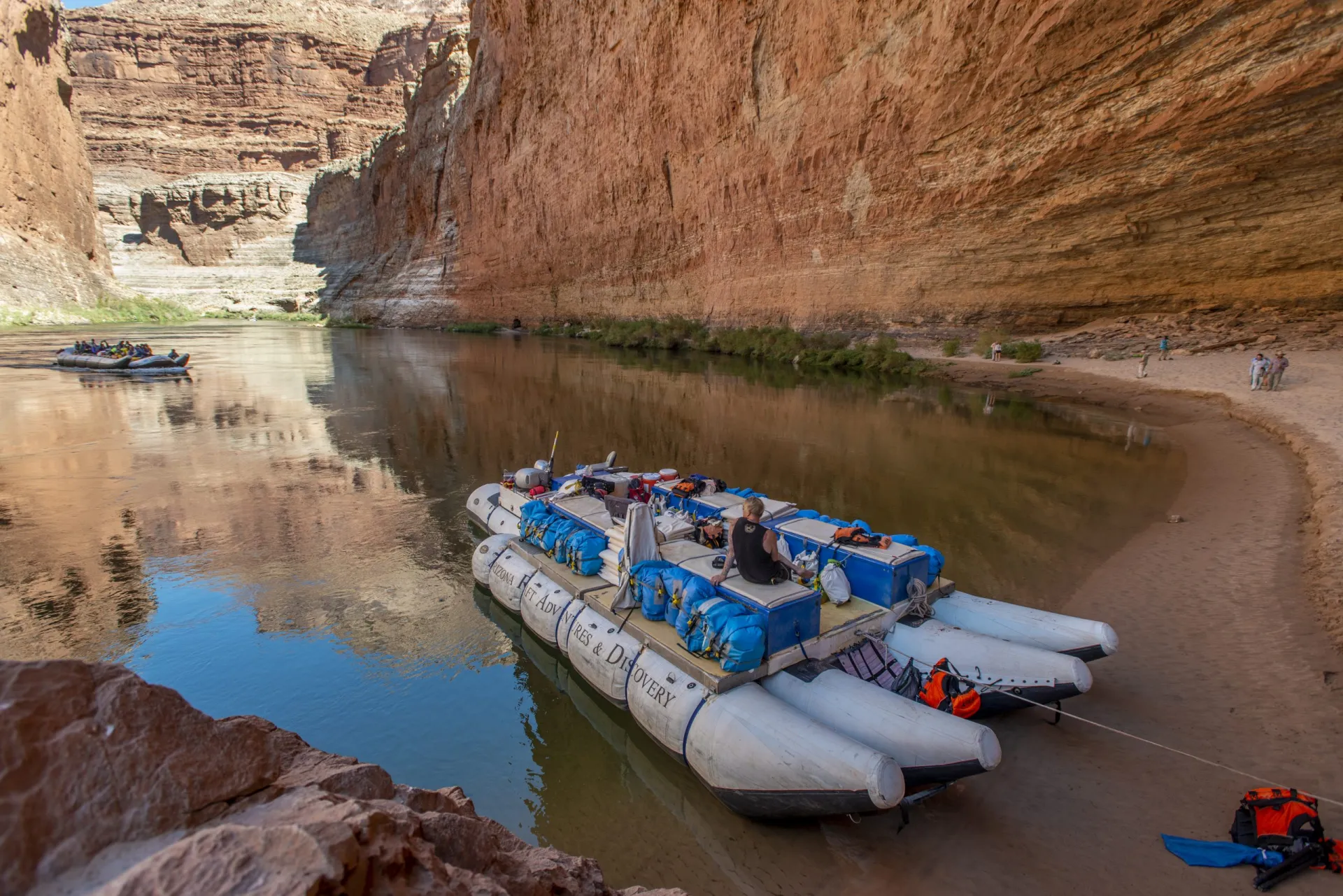
Smallmouth bass were introduced as a sport fish in the upper Colorado River basin in the late 1960s. Voracious feeders, smallmouth bass view other fish as the sport, happily preying on threatened native species like the humpback chub, an eighteen-inch fish in Grand Canyon with a distinctive smooshed silhouette.
Listed as endangered in 1967, the humpback chub has now bounced back thanks to tens of millions of dollars of conservation investment. The U.S. Fish and Wildlife Service upgraded the humpback chub to “threatened” status in 2018.

Smallmouth bass live in Lake Powell, preferring the layer of warm water closest to the surface. As the lake shrinks, that warm layer has now reached the level of the penstocks, which pull water into Glen Canyon Dam’s turbines for hydropower generation before being released downstream.
In these low-water conditions, the fear is that more smallmouth bass will be delivered into the Colorado River below Glen Canyon.
Once there, they will find a habitable environment. Smallmouth bass spawn when water temperatures exceed 60 degrees Fahrenheit. This year, that mark was breached in June. Today, the river at Lees Ferry, about 16 miles downstream of Glen Canyon Dam, is about 70 F.
These conditions – when the river temperature is above 60 F for three consecutive days – are supposed to trigger a release of cold water from deep in Lake Powell. The U.S. Fish and Wildlife Service says that this “cool mix” is the “only conservation measure proven to limit smallmouth bass reproduction.” Evidence from cool mix releases in 2024 and 2025, which knocked down smallmouth bass numbers, supports that conclusion.
Cool mix, however, will not happen in 2026 due to the Trump administration’s desire to generate hydropower.
The last cool mix flow, in 2025, cost the Western Area Power Administration, which markets federal hydropower, $6.1 million to replace that electricity for its contractors.
Instead of cool mix, Reclamation says it is focusing on other options to keep smallmouth bass from establishing downstream of Glen Canyon and to preserve the humpback chub’s hard-won conservation gains. In the short term that means stunning the bass with electric-shock tools and physically removing them from the water.
In the longer term, Reclamation is considering installing infrastructure to regulate the temperature of the water that passes through Glen Canyon. The agency calls this one of its “durable structural solutions.”
An Uncertain Future
Cool mix and high-flow releases are an attempt to rebalance an ecosystem that the dams destabilized. Congress passed the Grand Canyon Protection Act of 1992, which orders Reclamation to operate Glen Canyon Dam in a manner that protects and reduces harm to the “natural and cultural resources and visitor use.” That is, fish, tribal archaeological sites, and rafting.
The act required an environmental impact statement for Glen Canyon Dam that would analyze the actions required to achieve the broad environmental-protection goals set by Congress.
It was a “compromise to really put all the resources on the same playing field,” said Jen Pelz of the Grand Canyon Trust. In her view, decisions this year tilt in one direction – hydropower. “I don’t feel like they’re being balanced right now.”
Because the river guides were instrumental in lobbying for Grand Canyon protections, the present-day failures to uphold the act’s goals are all the more galling, Brown said. “It’s very hard to watch it get ignored.”
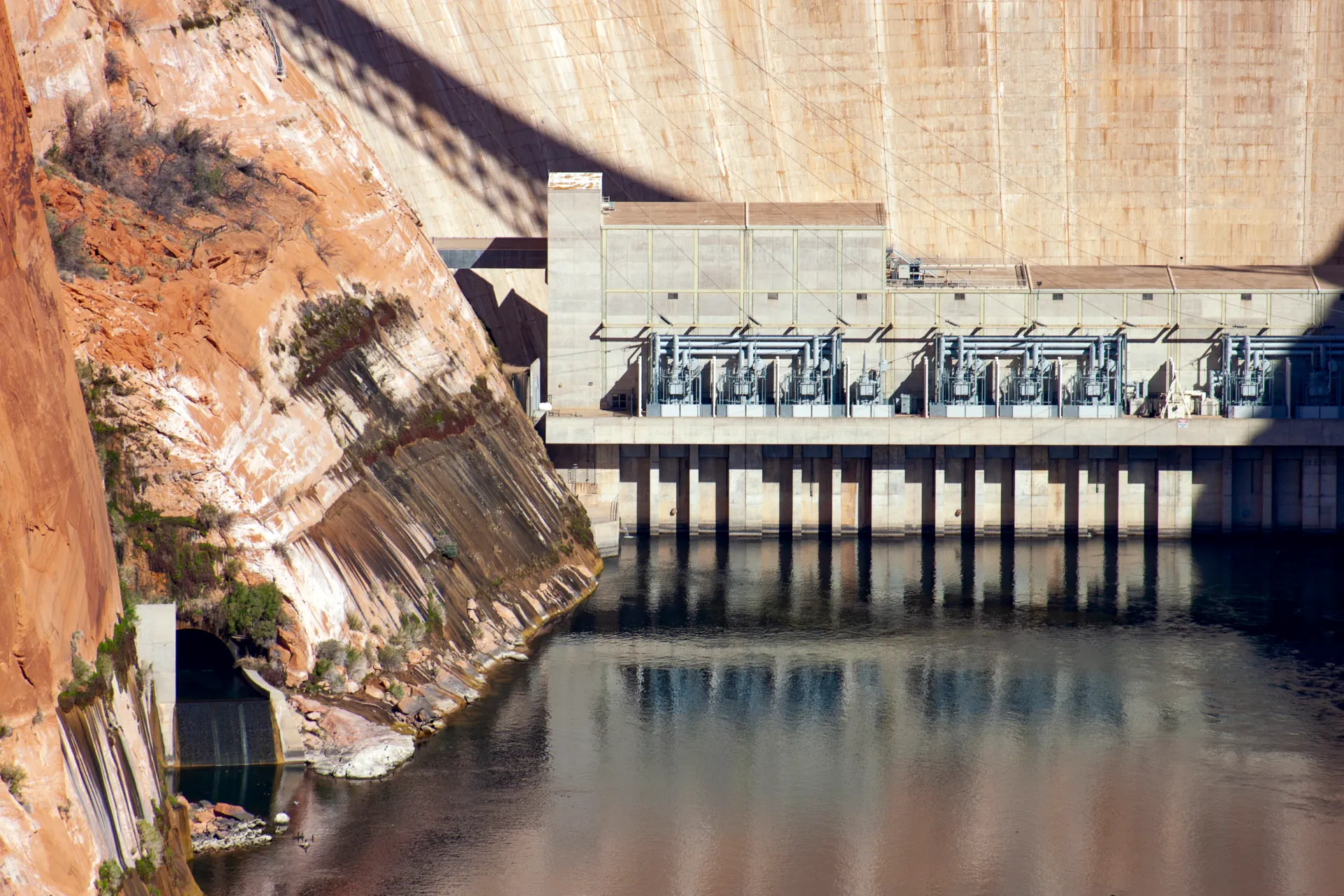
The administration is prioritizing hydropower when hydropower is at a pivot point.
Generation at Glen Canyon is down more than 40% from when Lake Powell was full. Utilities are turning to solar and wind to cover some of the generation losses, while utility-scale batteries are helping to replace the capacity and grid-regulating functions that a large dam provides.
The decision to favor hydropower over ecology reflects bigger problems with the Colorado River’s infrastructure. Glen Canyon Dam is not designed for the river as it exists today. Reclamation wants to keep Lake Powell high enough to generate hydropower because the dam’s other outlets to deliver water downstream are untested over long periods and were damaged in a previous high-flow release.
Lower basin states and tribes, including Arizona, California, Nevada, and the Gila River Indian Community, have asked the federal government to update Glen Canyon’s infrastructure for water delivery and power generation. Reclamation is assessing three options and expects that study to be released in early 2027. Any additional action will require congressional approval and funding.
Along with the infrastructure problems, man-made climate change is sapping the river and heating up its water. Ecologists consider the Grand Canyon a “novel ecosystem,” meaning its native species and natural processes have been disrupted and rearranged by human meddling.
To Schmidt, the former chief of the U.S. Geological Survey’s Grand Canyon Monitoring and Research Center, this suggests a wholesale rethinking not just of the river’s infrastructure but also of our ecological goals for the Colorado River.
“We as a society get to play God in deciding what attributes of that ecosystem we value, which ones we want to work hard to preserve and which ones we don’t,” he said. “The answer is not an obvious one.”
This story was produced by Circle of Blue, in partnership with The Water Desk at the University of Colorado Boulder’s Center for Environmental Journalism.
For full Colorado River basin coverage, visit our Colorado River page.
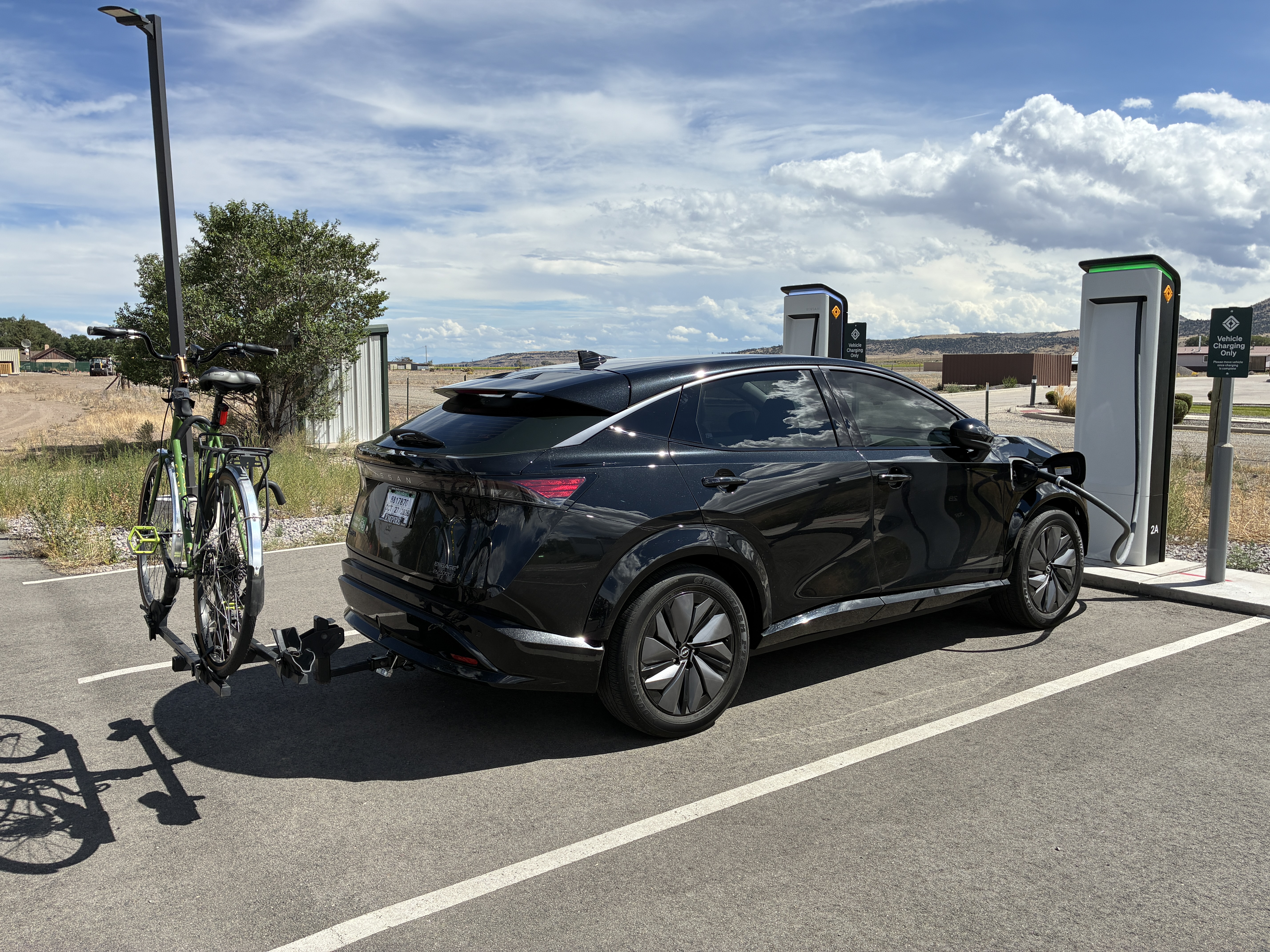
I charged twice between Denver and Cortez. This was the first road trip to the Colorado Plateau for the Ariya so I was cautious. My plan was to leave Denver at 100% charge, lunch and charging to 80% at Mojo’s Eatery in Salida, a boost and charge to 80% in Del Norte, then charge to 80% in Pagosa Springs for the final leg to Cortez. The Ariya range is superb, nearly 300 miles at 100% and there are CCS1 and Tesla chargers all over Colorado now!
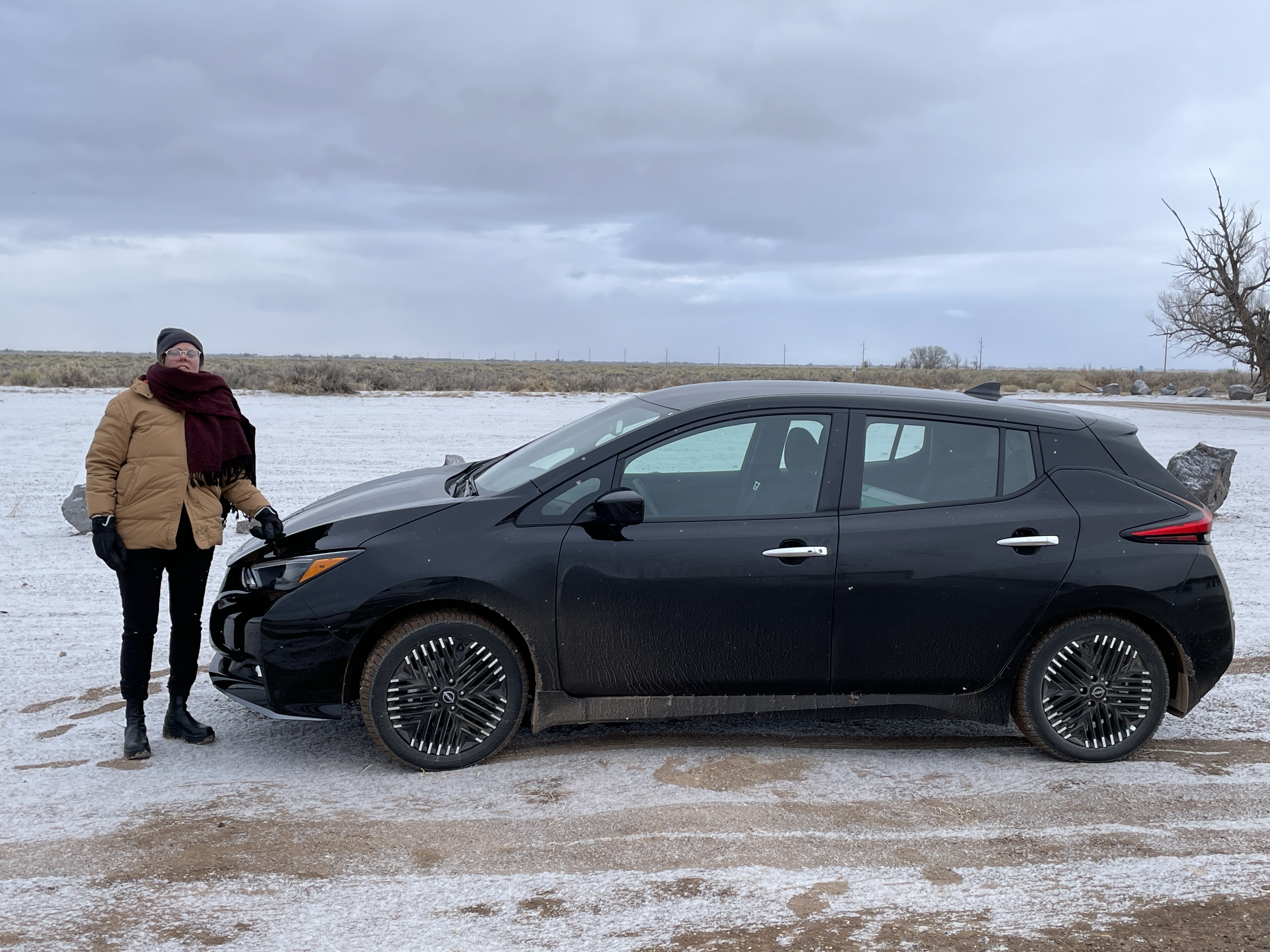
I’ve charged at Mojo’s (ChargePoint) many times to and from the San Luis Valley. I needed the older style CHAdeMO connector and the Colorado Energy Office ChargePoint installations usually have one. With the Ariya I have access to all CCS1 and most Tesla charging installations (with an adapter). Rivian has it right, plug in your car and swipe your credit card to pay — no app required. In Pagosa Springs I charged at the Tesla installation as you head west out of town. All of the charging was very fast
Now is the time for you to electrify your transportation. Humans need to stop burning carbon to have any hope of slowing Climate Change — we owe it to the species we are wiping out.
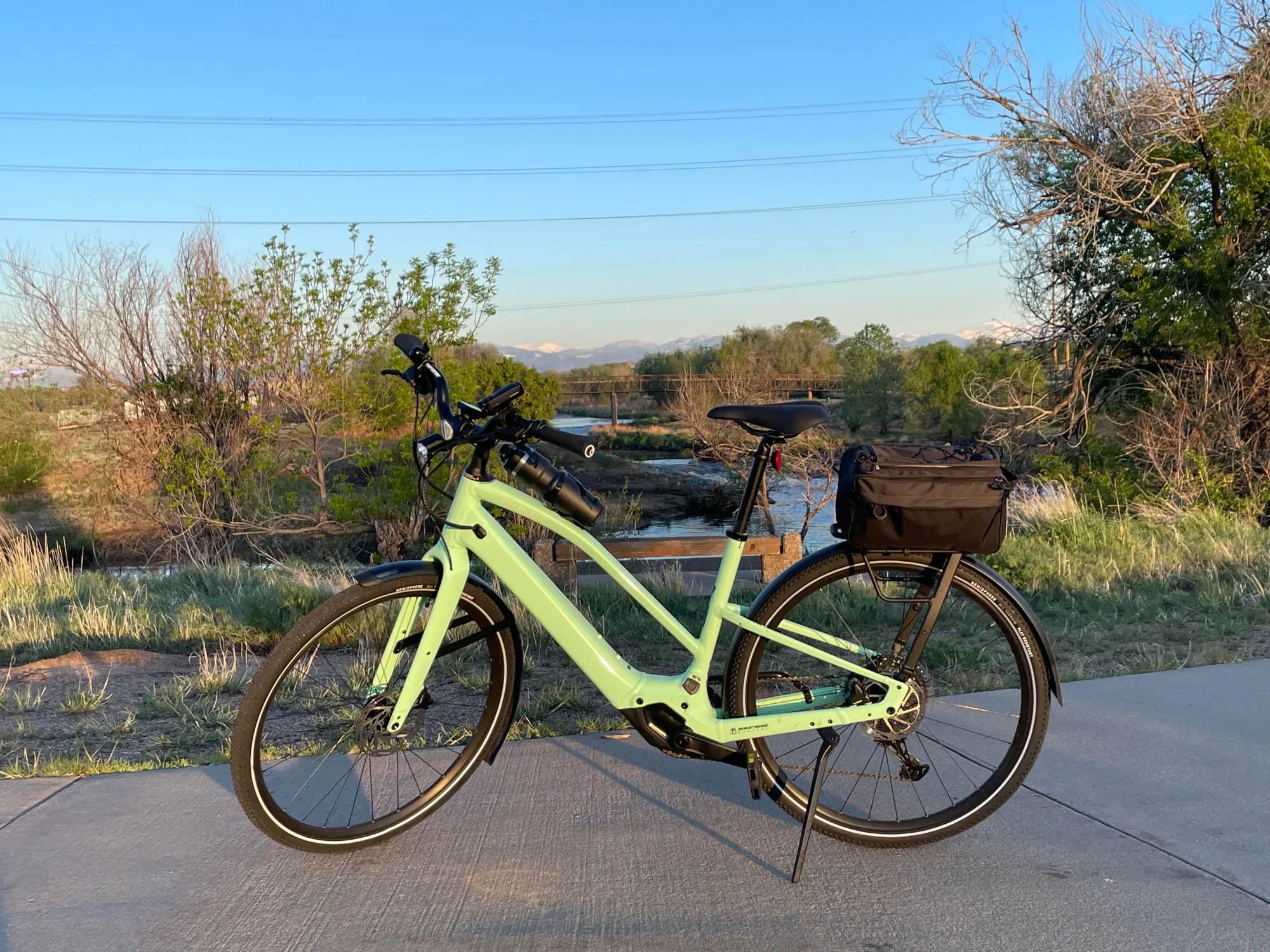

I’m heading to Grand Junction for the Colorado River District Annual Seminar on Friday. I’m taking the long way through Four Corners.
by Robert Marcos
Pliny wrote, “If we take into account the abundant supply of water for public and private use, and then consider the distances traversed, the arches built, the mountains pierced, and the valleys leveled, we must admit that nothing more marvelous has ever existed in the whole world.” 2 At its height, the imperial capital of Rome was supplied by eleven major aqueducts which transported over 800 acre feet of fresh water into the capital every day. Because the system relied entirely on gravity rather than modern pumps, the water flowed continuously day and night. This imported water was primarily used in three ways –
To achieve a precise downward slope – sometimes as little as 1 foot of drop for every 4,000 feet of distance – ancient Roman engineers relied on three primary surveying tools. These tools allowed them to measure horizontal lines, vertical angles, and slopes across miles of uneven terrain. Roman aqueducts were constructed primarily from local volcanic stone (like tufa and travertine) and durable fired brick, bound together by a revolutionary pozzolanic concrete made from volcanic ash and lime, that allowed structures to be set underwater and grow stronger over time. Underground tunnels were carved directly into solid bedrock or lined with stone masonry, while internal channels were meticulously sealed with opus signinum—a waterproof hydraulic mortar mixed with crushed terracotta, to prevent leaks. Water was then carried over the famous stone-arched bridges, while heavy-duty terracotta tiles or thick lead pipes were used for localized distribution and pressurized siphons.
Although the ancient Assyrians are credited with the first “above ground” water conveyance, over the centuries the technology continued to be refined –
The Assyrians (c. 9th–7th Century BC): The Assyrians were the first to move beyond simple mud-brick irrigation canals to construct large-scale stone water networks. Under King Sennacherib, they built the Jerwan Aqueduct, the earliest known structures of its kind, using over two million blocks of ashlar masonry to carry freshwater across a valley to Nineveh. To prevent leaks, they lined the stone channels with a crude but effective waterproof layer of bitumen (tar).
The Babylonians (c. 7th–6th Century BC): As Babylon expanded, engineers mastered urban water management by integrating the Euphrates River directly into the city’s defenses and architecture through complex moats, dams, and subterranean brick channels. To combat flat terrain and deliver water to high elevations—most famously the legendary Hanging Gardens—they pioneered mechanical lifting technologies, including early iterations of the chain pump and mechanical lifts.
The Persians (c. 6th–5th Century BC): Confronted with arid desert landscapes, the Persians invented the qanat system, an engineering marvel of gently sloping underground tunnels driven horizontally into hillsides to tap into deep mountain aquifers. This breakthrough allowed water to flow entirely via gravity across miles of burning desert without evaporating. It required the development of precise vertical ventilation shafts used by miners to haul out debris and regulate airflow.
The Greeks (c. 6th–3th Century BC): Hydraulic Physics and Pressure SiphonsGreek engineers shifted the focus toward physics, geometry, and public sanitation, transitioning from open channels to enclosed, subterranean terracotta pipe networks. By sealing their systems, they mastered hydraulic pressure and invented the inverted siphon, allowing them to force water down into deep valleys and back up the other side to supply hilltop citadels. They also engineered massive feats of subterranean surveying, such as the Tunnel of Eupalinos, a half-mile aqueduct carved through a mountain from both sides simultaneously.
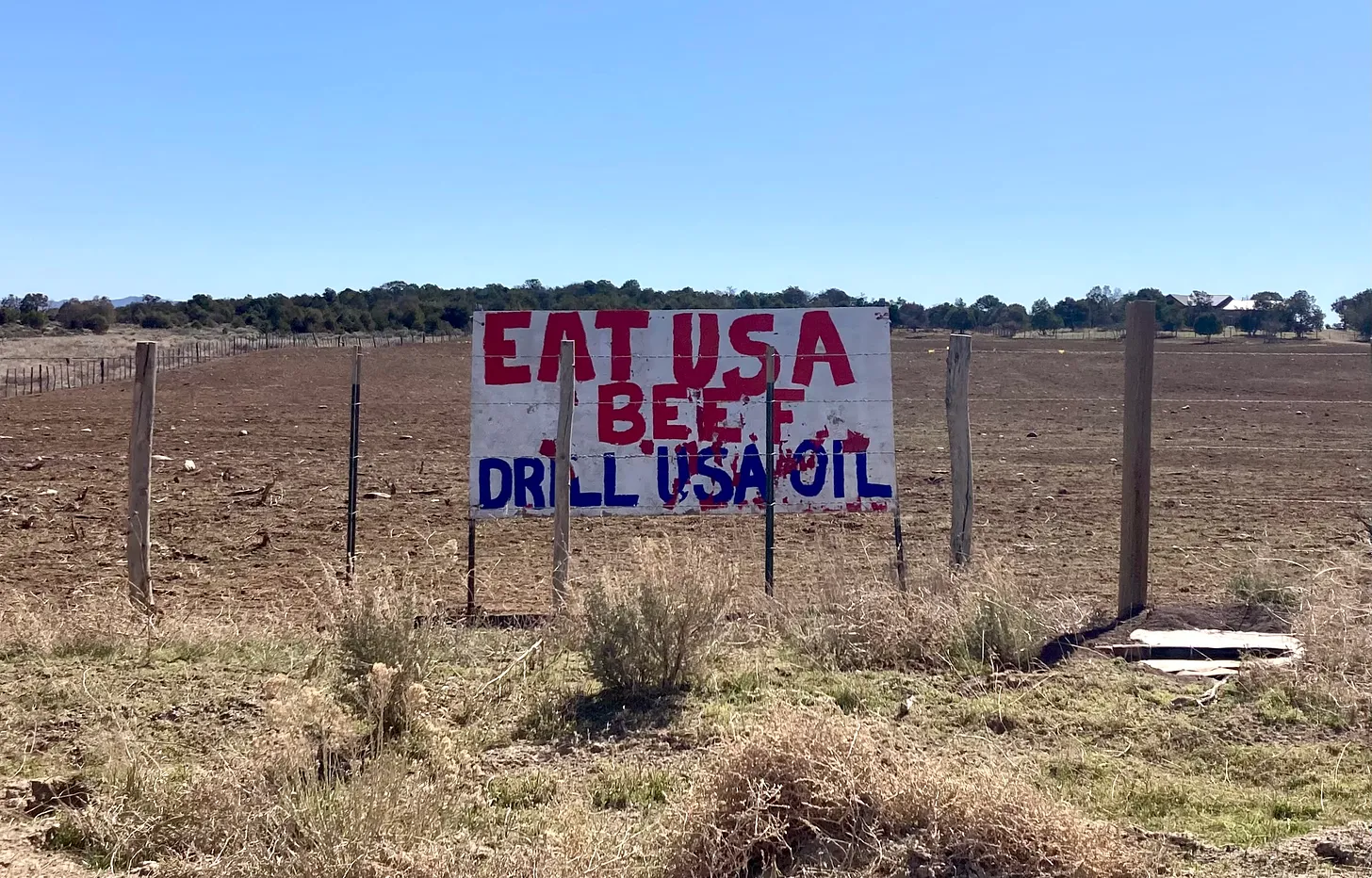
Click the link to read the article on The Land Desk website (Jonathan P. Thompson):
September 8, 2026
🦫 WILDLIFE WATCH 🦅
Just days after President Donald Trump angered U.S. ranchers by waiving tariffs on 300,000 metric tons of foreign beef (and whatever other meat-adjacent-material may pass as beef), he threw the livestock industry a bone by ordering a “review” of federal Endangered Species Act protections for gray and Mexican wolves. The order also instructs the Interior Department to push states into removing any state-specific protections and to “revise their standards for lethal takings of gray wolves and Mexican wolves to assist ranchers in combating predation.”
In other words, Trump wants to revive the late 19th and early 20th century campaign to exterminate wild predators to benefit ranchers. Will this please a handful of public lands livestock operators who are ideologically inclined to hate wolves, whether they affect their operations or not? Sure. Will it save the American rancher, or even offset the influx of foreign beef? Nope.
Wolves do kill cattle if they are not adequately protected (and the rancher is compensated for the lost livestock), and they can have other impacts on ranching operations in wild areas. But study after study has shown that other factors — from weather and climate, to sickness and disease — account for a far greater share of cattle and calf mortalities.
This is the administration’s latest ploy in its quest to boost the number of cattle on public lands. It is also peddling vacated grazing allotments and easing the already decidedly lax regulations on grazing.
Longread: On wolves, wildness, and hope in trying times — Jonathan P. Thompson
- Federal staffing rosters show the U.S. Fish and Wildlife Service has lost 36% of its staff under the Trump administration, dripping from 9,957 staffers to 6,333 between 2024 and 2026, likely exacerbating a backlog of Endangered Species Act listing decisions. (news release)

🐟 COLORADO RIVER CHRONICLES 💧
The irrigation canals, laterals, and ditches are going dry in the Colorado River’s Upper Basin weeks before the growing season comes to an end, forcing farmers to rely on September rains or their own storage to get their crops to harvest time. It goes to show that even without mandatory cuts, many Upper Basin water users experience water shortages during dry years.
The biggest and latest user to get cut off by low river flows was the Grand Valley Water Users Association, which began drawing down its Government Highline Canal as “the river flows drop to undeliverable levels.” Flows in that canal fell from almost 1,500 cfs at the end of August to about 725 cfs early this week. The more senior Orchard Mesa Irrigation District and Grand Valley Irrigation Company continued to pull water from the river and deliver it to irrigators.
In the North Fork Valley, all but the most senior ditches were shut off weeks ago, after Paonia Reservoir hit dead pool. And on the Dolores River, even the most senior water rights holders — the Montezuma Valley Irrigation District — lost their water at the beginning of this month. Usually it holds out for at least another couple of weeks. (Other water users received dramatically curtailed amounts throughout the irrigating season).
In the Grand Valley, the canal’s loss was the river’s gain: The Colorado River near Palisade, after running as low as 42 cfs this summer, bounced back to around 300 cfs at the end of August. A corresponding increase in flow can be seen at the USGS gage1 near Cisco. This little boost, combined with a few intense, but patchy storms, and a slight increase in releases from Flaming Gorge Reservoir, have brought up inflows into Lake Powell, somewhat slowing the drop in surface levels.
The Dolores River, on the other hand, remains virtually dry downstream of McPhee Dam, and McPhee Reservoir’s surface level is currently about 12 feet lower than it was a year ago.
A tale of water inequality in the West — Jonathan P. Thompson, “I wrote the essay [click the link]—about my parents’ farm’s ditch in the North Fork Valley of Western Colorado—in 2018, which was one of the region’s driest years on record. The essay is every bit as pertinent today, an equally dry time for most of the Western Slope, even if some details have changed: My sister owns the farm now—along with the robust water rights—…”
- The Central Arizona Project’s board of directors authorizes its attorneys to take legal action “if necessary” to protect its allotment of Colorado River against the Bureau of Reclamation’s plans for operating the river’s infrastructure in the coming decade. The CAP stands to lose the most water under a shortage, as Arizona agreed to junior water rights in exchange for federal funding for the vast plumbing project that delivers river water to the central and southern parts of the state. Nevada already sued the federal government over potential cuts to its share of water. (Arizona Republic)
- Western Colorado anglers and boaters call on the Bureau of Reclamation to increase water releases from Blue Mesa, Morrow Point, and Crystal Reservoirs to preserve streamflows in the Gunnison River in the Black Canyon, the Gunnison Gorge, and further downstream, saying the decision to reduce releases to protect reservoir levels has “exerted a toll on a vital and cherished natural resource.” (Aspen Journalism)
🤖 DATA CENTER WATCH 👾
- The Big Data Center Buildup drives up electricity demand in Wyoming and spurs a wave of proposed gas plants, some of which would serve the grid and others dedicated to powering server farm facilities. (WyoFile)
⛏️ MINING MONITOR ⛏️
- The Southern Ute Indian Tribe says it will pull out all of the stops to block potential mining projects in the La Plata Mountains in southwestern Colorado, adding to the list of entities opposing Metallic Minerals’ exploratory drilling project on the western side of the range. (Durango Herald)
- New Mexico Land Commissioner Stephanie Garcia Richard puts state trust lands off-limits to new uranium mining leases, and orders her office to instead focus on cleaning up the more than 1,000 former uranium mining-related sites in the state. The order does not affect private or federal lands. (news release)
- Anfield Energy looks to raise at least $50 million to finance its plan to refurbish and reopen the Shootaring uranium mill — which has been idle since 1982 — near Ticaboo, Utah. Anfield is the firm behind the Velvet-Wood uranium mine in the Lisbon Valley and has designs on mining near Slick Rock, Colorado. (Northern Miner)
🌵 PUBLIC LANDS 🌲
- A federal judge temporarily blocks the Trump administration’s effort to evict bison from public lands in Montana, finding that the Bureau of Land Management’s decision to kick the animals off American Prairie-held grazing leases was likely “arbitrary, capricious, an abuse of discretion, and otherwise not in accordance with the law.” (Public Domain)
- The U.S. Department of Agriculture releases its final Forest Service reorganization plan, which includes moving the headquarters to Salt Lake City and shuttering 23 facilities nationwide, including four in California, one in New Mexico, and one in Oregon, with the remainder being in non-Western states. The USDA says “less than 200” of the agency’s 30,000 employees are expected to need to relocate, mostly from Washington, D.C. to Fort Collins, Salt Lake City, or a newly established center. (news release, OPB)
- The Center for Western Priorities fact-checks Interior Secretary Doug Burgum’s numerous erroneous statements about the administration’s dramatic reduction of Grand Staircase-Escalante and Bears Ears National Monuments, finding that on this topic (and others) the cabinet member is a serial liar. (Westwise)
🏠 RANDOM REAL ESTATE ROOM 🤑
- Anita Verma-Lallian, a real estate investor who made her name buying and selling multi-million-dollar Phoenix-area properties for data centers, unveils a plan for a massive development in Tonopah, Arizona. Tentative plans for the $6 billion to $10 billion development include a movie studio, amusement park, hotels, retail, and a data center complex. The property is adjacent to one where Bill Gates’ investment firm is planning a “futuristic smart city.” (Phoenix Business Journal via KTAR)
🛻 TRANSPORTATION 🚂
- The Utah Department of Transportation completes the $152 million Energy Corridor highway improvement project on State Routes 162 and 262 in San Juan County. The routes pass through the Aneth Oil Field and could potentially be used for uranium ore haul trucks traveling from New Mexico mines to the White Mesa Mill near Blanding. (ABC4)
🤯 ANNALS OF INANITY 🤡
- When will it stop!?! Amid a flurry of inane, bizarre, and cognitively-impaired social media posts, President Donald Trump on Sunday suggested New Mexico’s name should be changed to “New America.” (CNN)
📈 TODAY’s DATAVIZ 📊
Are coal and electricity consumption getting back together? For the latter half of the 20th century, U.S. coal consumption climbed in tandem with electricity demand: As Americans used more power, more coal was burned to generate that power, and vice versa. In 2008, electricity demand plummeted due to the financial crisis, dragging coal consumption down with it.
While electricity demand rebounded along with the economy, and then plateaued, coal-burning continued dropping precipitously; the two phenomena had been decoupled from one another. But over the last three years electricity demand has shot back up, in large part due to data centers’ guzzling up a lot of power, but also because of electrification of transportation and buildings, and an increasing need for air-conditioning to fend off rising temperatures. And last year the electric power sector’s coal consumption shot back up as well. Is the decoupling being undone? Or is this just a minor blip? Only time will tell.
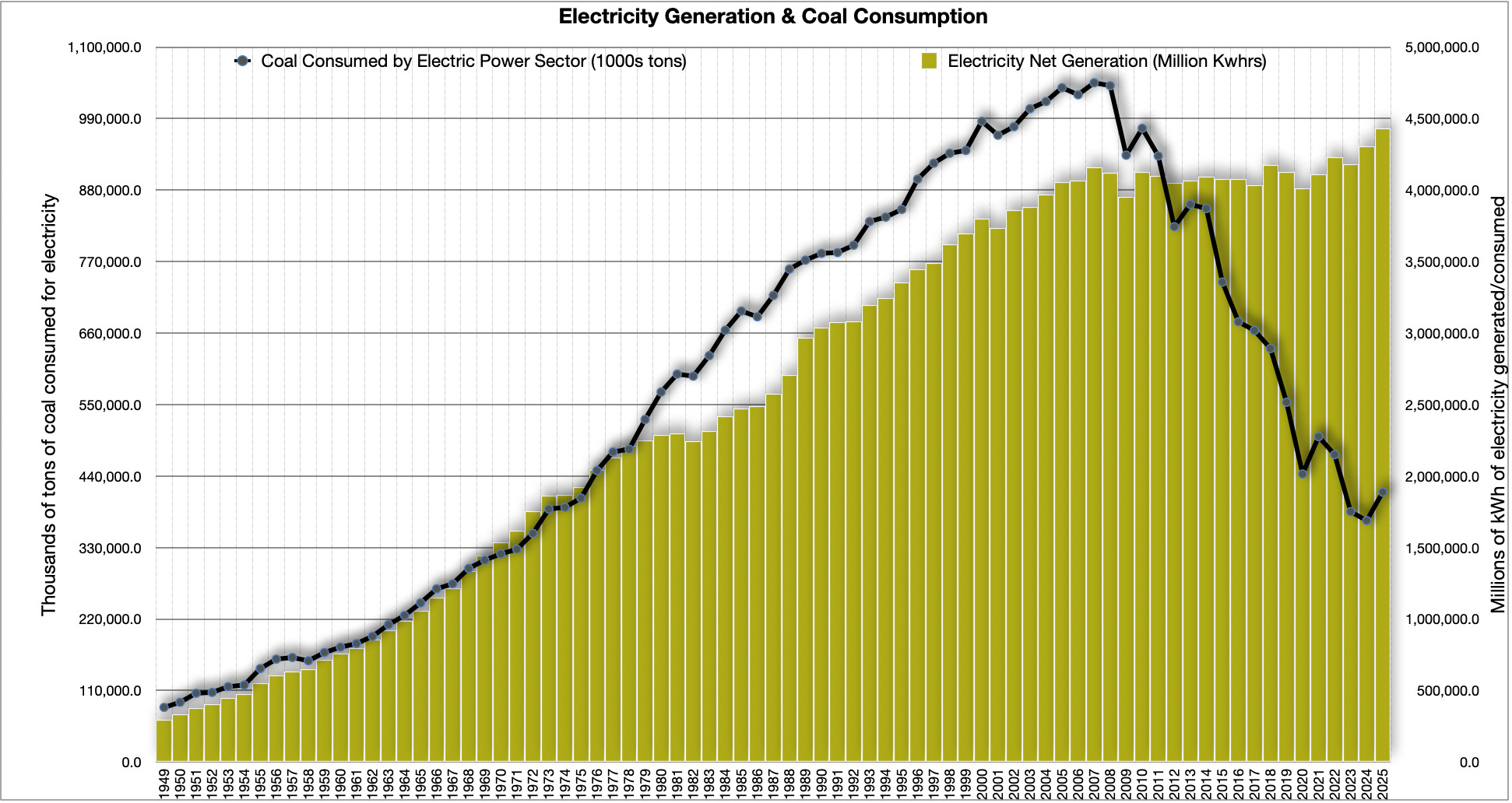
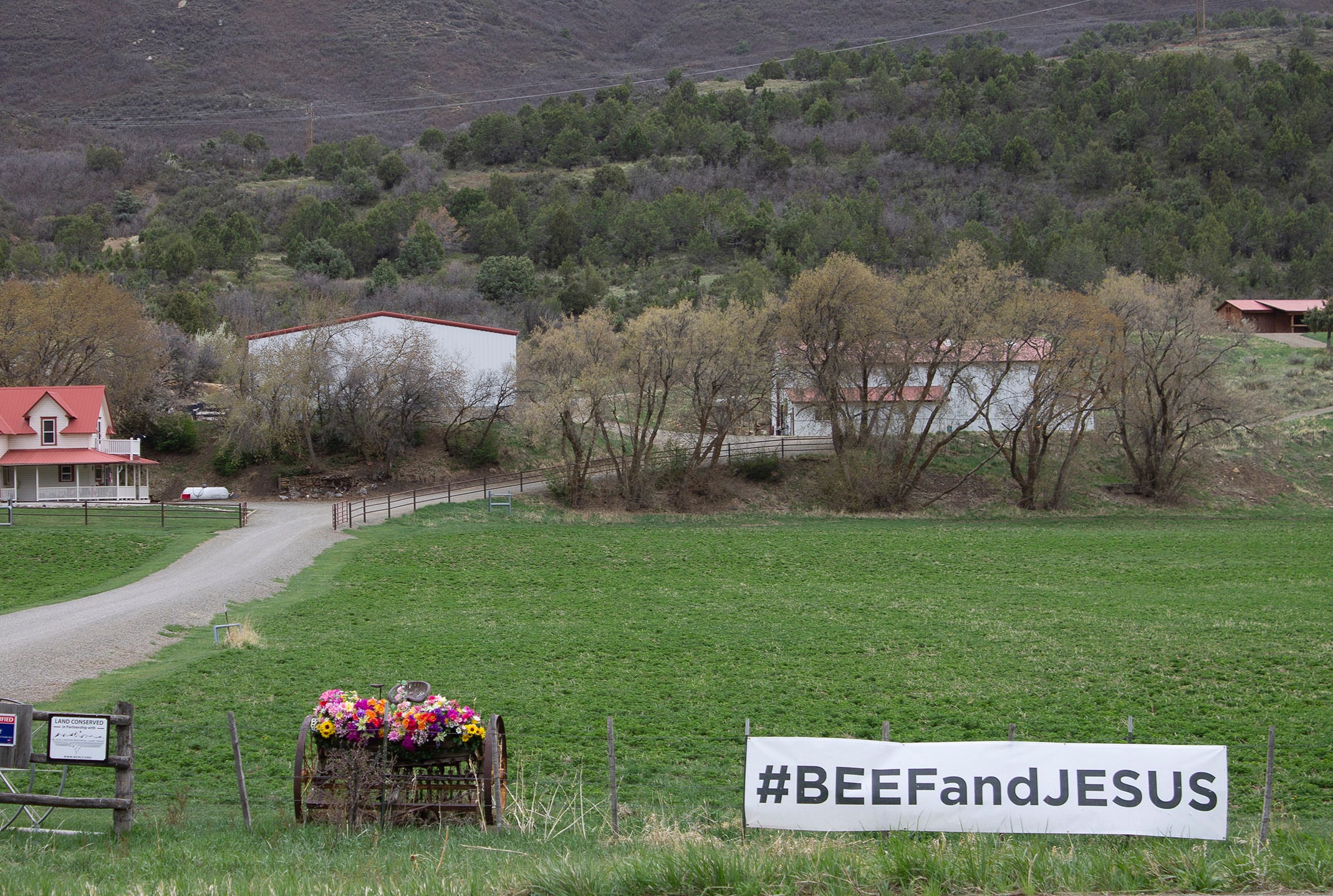
1 Yes, I use the archaic “gage” instead of “gauge” when referring to USGS streamflow monitors, not just because I’m archaic, but because that’s what the USGS does.
Below is the Precipitation Accumulation in South Platte graph from the NRCS for September 14, 2026. This morning precipitation, at the SNOTEL stations, is at 74% of the median (down 2% one week), and 72% of the water year median (no change one week). There are 16 days left in the water year.
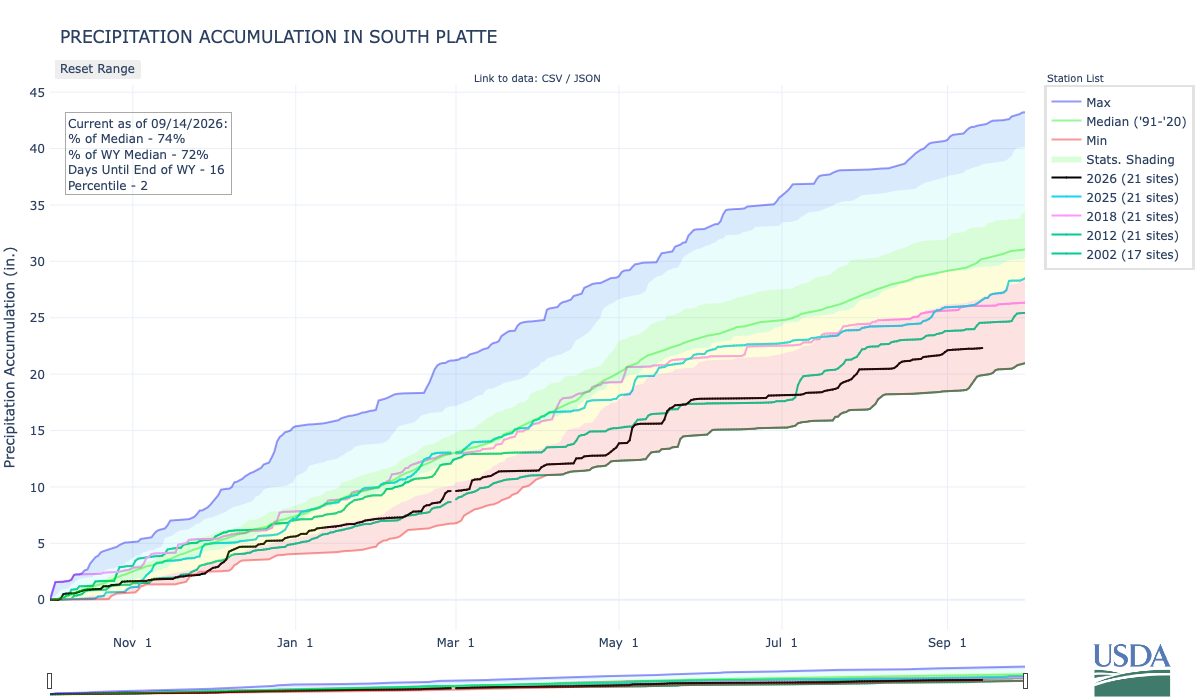
There’s a chance for showers/thunderstorms today, showers are likely Tuesday, Wednesday, and Thursday, with a chance for thunderstorms Friday, and a chance for showers/thunderstorms Saturday and Sunday in the central mountains. There’s a slight chance for showers/thunderstorms today, a chance for showers are Tuesday, a chance for thunderstorms Wednesday, showers are likely Thursday, Friday, and Saturday, then a chance for a chance for showers/thunderstorms Sunday in the northern mountains. There’s a slight chance for showers/thunderstorms today and Tuesday, a chance for showers Wednesday, showers are likely Thursday, with a chance for thunderstorms Friday, and a chance for showers and thunderstorms Saturday with a slight chance for showers and thunderstorms Sunday, down here, about 350 miles from the La Plata River and Cherry Creek Ditch. From Wikipedia:
Hinderlider v. La Plata River & Cherry Creek Ditch Co., 304 U.S. 92 (1938), is a US Supreme Court case…The Court emphasized that the La Plata River is an interstate stream, and its water must be equitably apportioned between Colorado and New Mexico. The 1898 Colorado decree could not grant the Ditch Company rights exceeding Colorado’s equitable share of the river’s water. The Compact, as a legislative agreement between the states with Congressional approval, was a valid mechanism for apportioning the river’s water and binding on all water claimants, including those with pre-existing rights. The Court rejected the argument that the Compact violated the Ditch Company’s vested rights, noting that the Compact’s provisions, including the rotation of water flow, were designed to maximize the beneficial use of the river’s water. The Court found no evidence of procedural infirmities or inequities in the negotiation, ratification, or implementation of the Compact.
The United States Supreme Court reversed the judgment of the Supreme Court of Colorado. The Court held that the La Plata River Compact was valid and binding, and the actions of the State Engineer in administering the Compact were lawful. The Ditch Company’s rights under the 1898 decree were limited to Colorado’s equitable share of the river’s water, as determined by the Compact.
An archetypical example of such federal common law is that relating to disputes between states of the United States, Hinderlider was the first case to reaffirm the existence of federal common law for other purposes, specifically here, the interpretation of an interstate compact governing water rights between states.
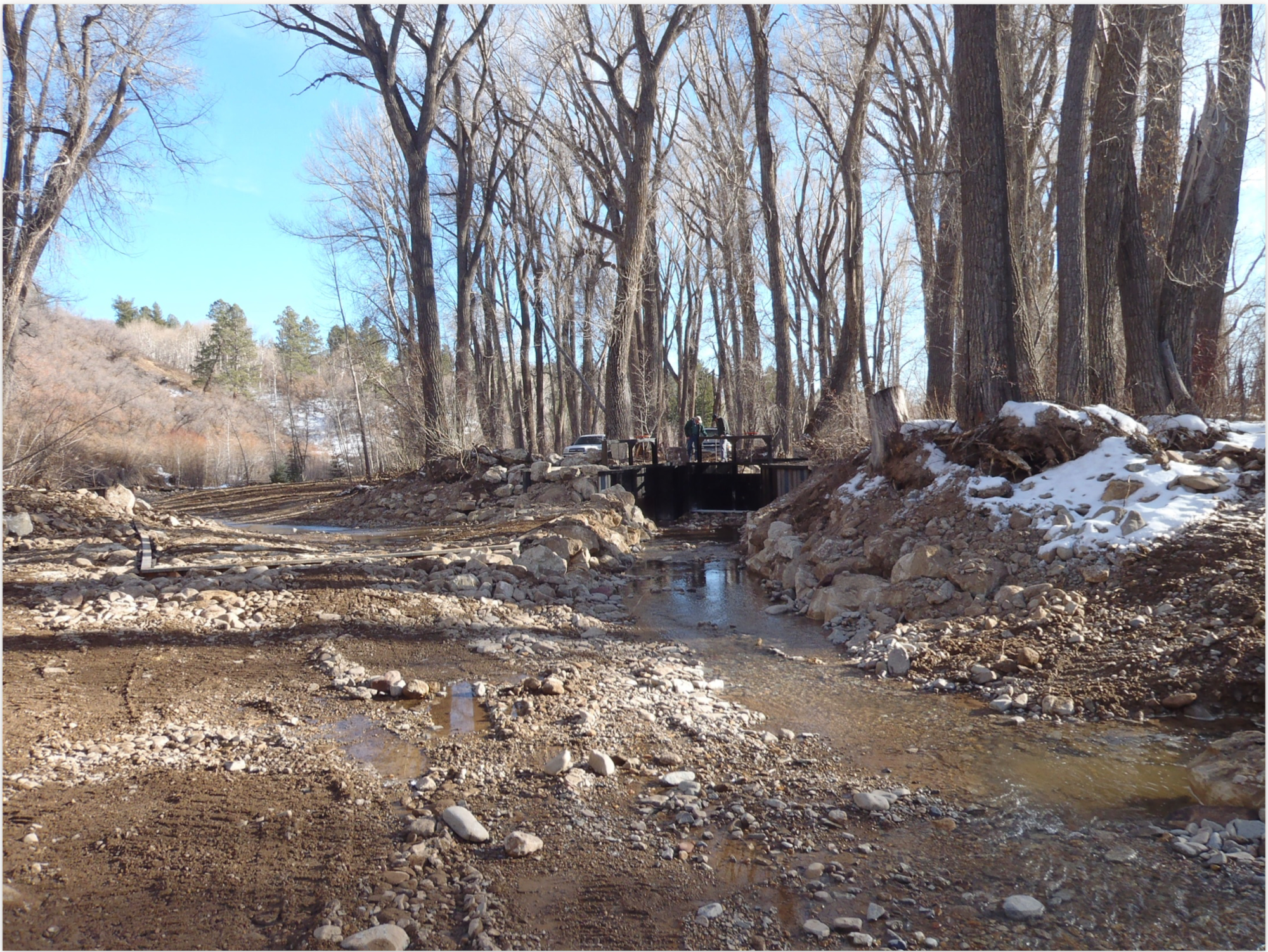
Here’s a look at the 7-Day Colorado precipitation map through September 13, 2026 from the High Plains Regional Climate Center. Precipitation in the South Platte Basin along the Continental Divide of the Americas ranged from 0.00” to 0.40”.
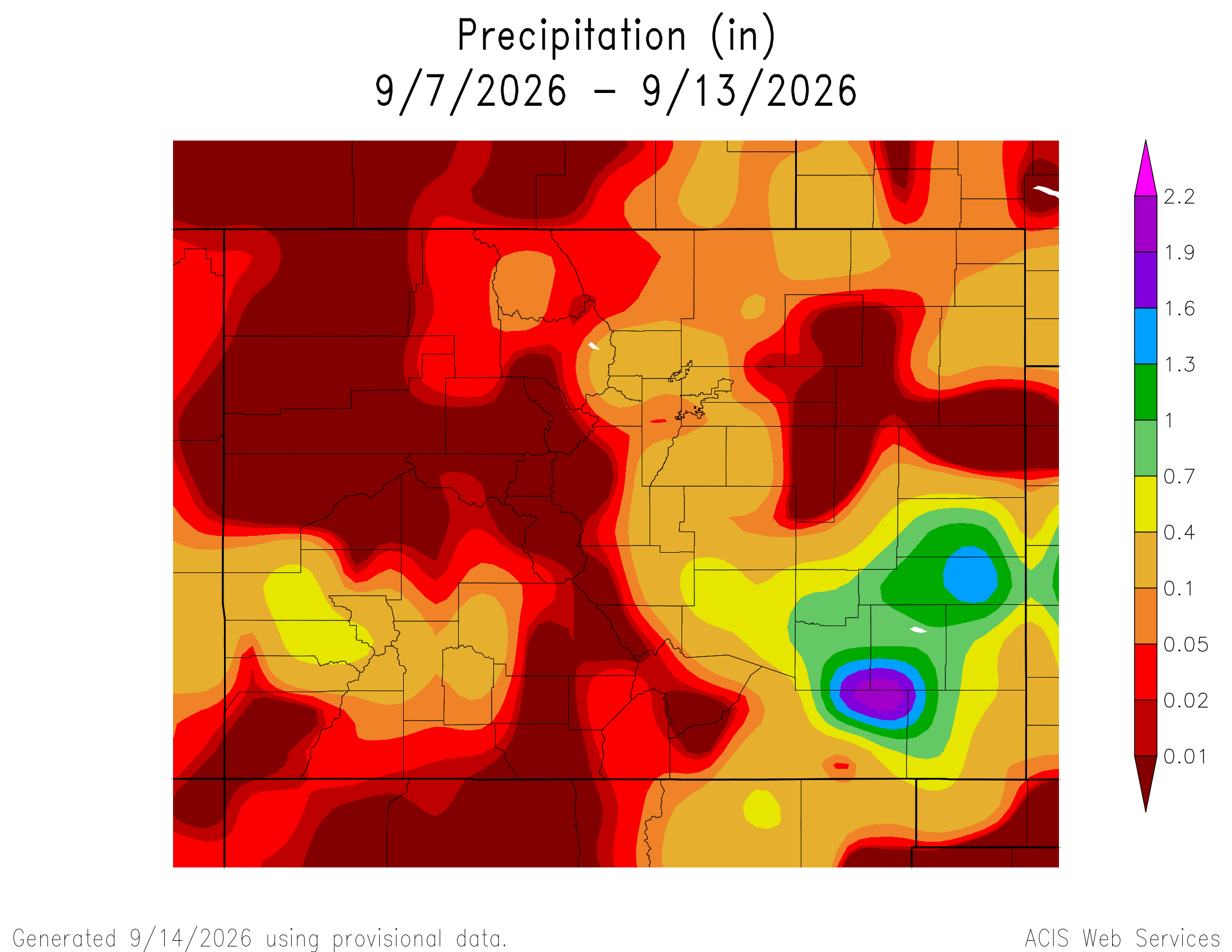
Here’s the 7-Day percent of normal precipitation map through September 13, 2026 from the High Plains Regional Climate Center. Precipitation in the South Platte River Basin along the Continental Divide of the Americas was 0% to 75% of normal.
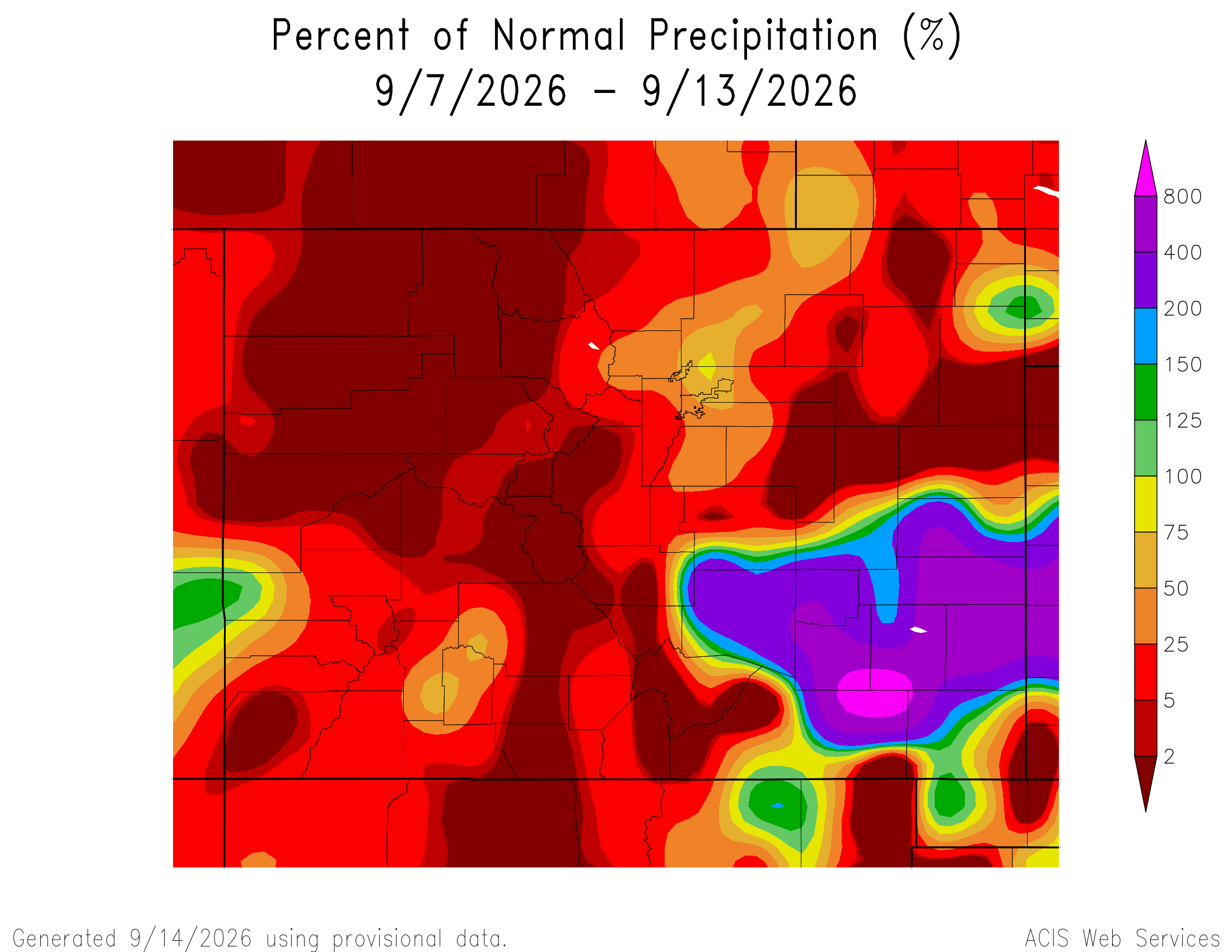
Below is the 7-day Quantitative Precipitation Forecast for the week of September 14, 2026. Precipitation is anticipated for the mountains of the South Platte River Basin and may total up to 1.50″.
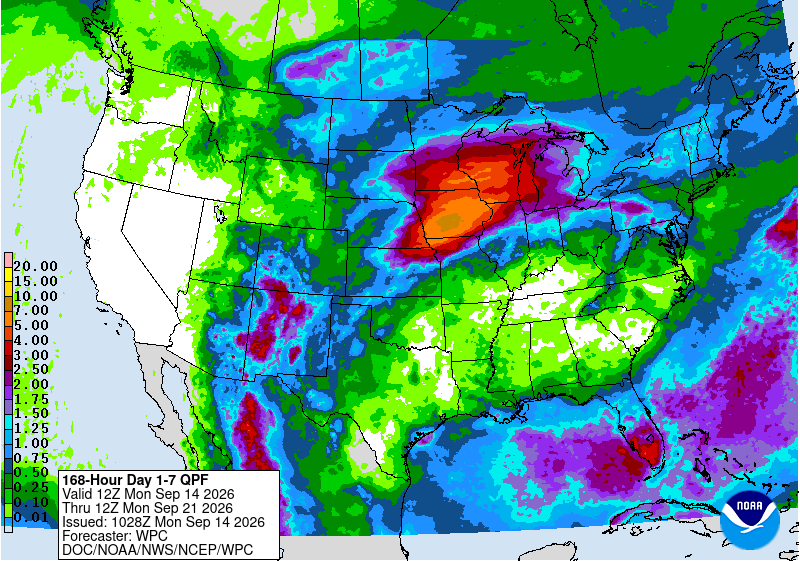
Below are the 8-14 day outlooks from the Climate Prediction Center, issued September 13, 2026, for temperature and precipitation, for the week starting September 21, 2026. The CPC expects above normal temperatures and above normal precipitation for the mountains of the South Platte River Basin.

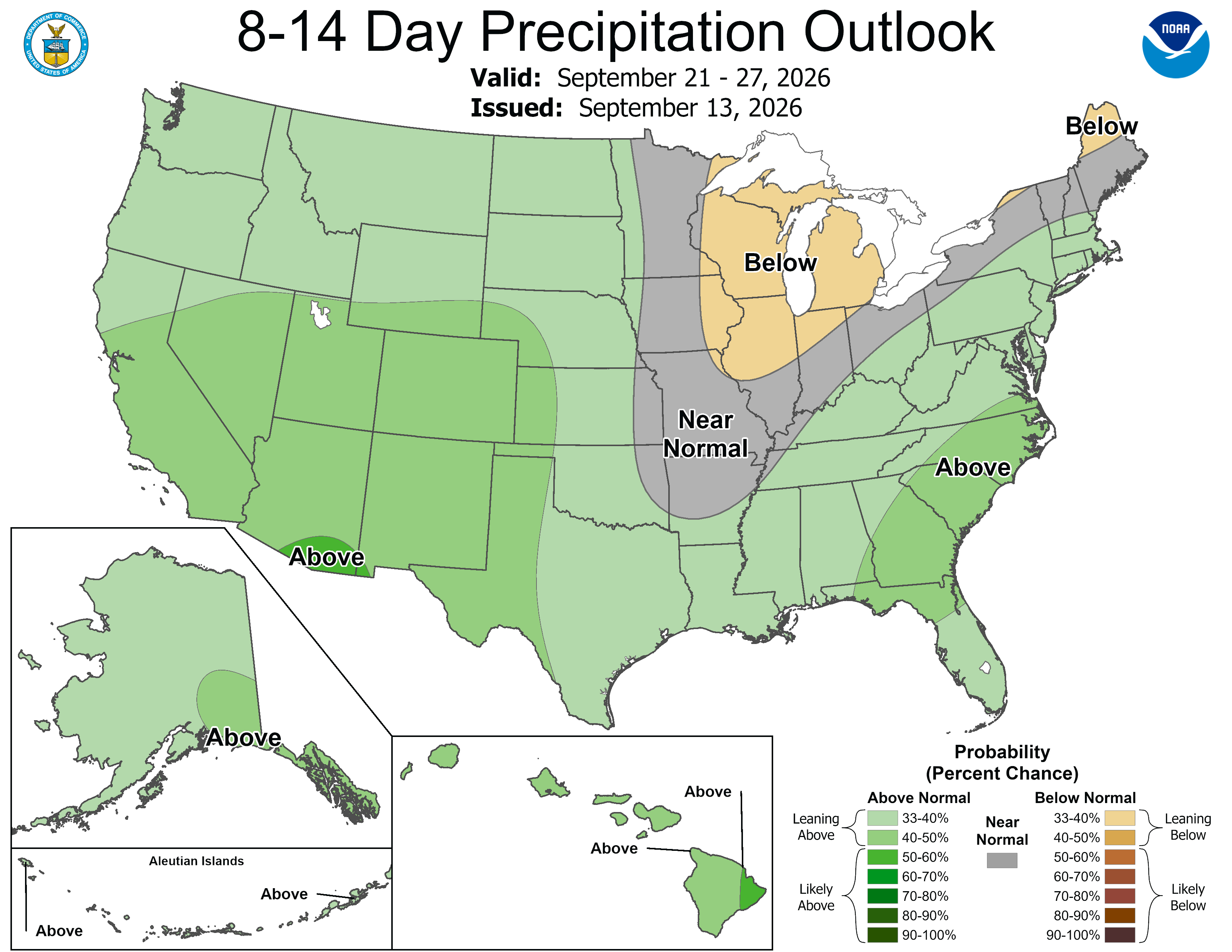
Below is the Colorado Drought Monitor map from September 8, 2026. There were one class improvements in Weld, Logan, and Sedgwick counties. Drought and abnormal dryness covers 93.81% of Colorado. The South Platte Basin is experiencing Abnormally Dry, Moderate, Severe, Extreme, and Exceptional drought conditions.

Below is the Colorado Drought Monitor one week change map ending September 8, 2026.
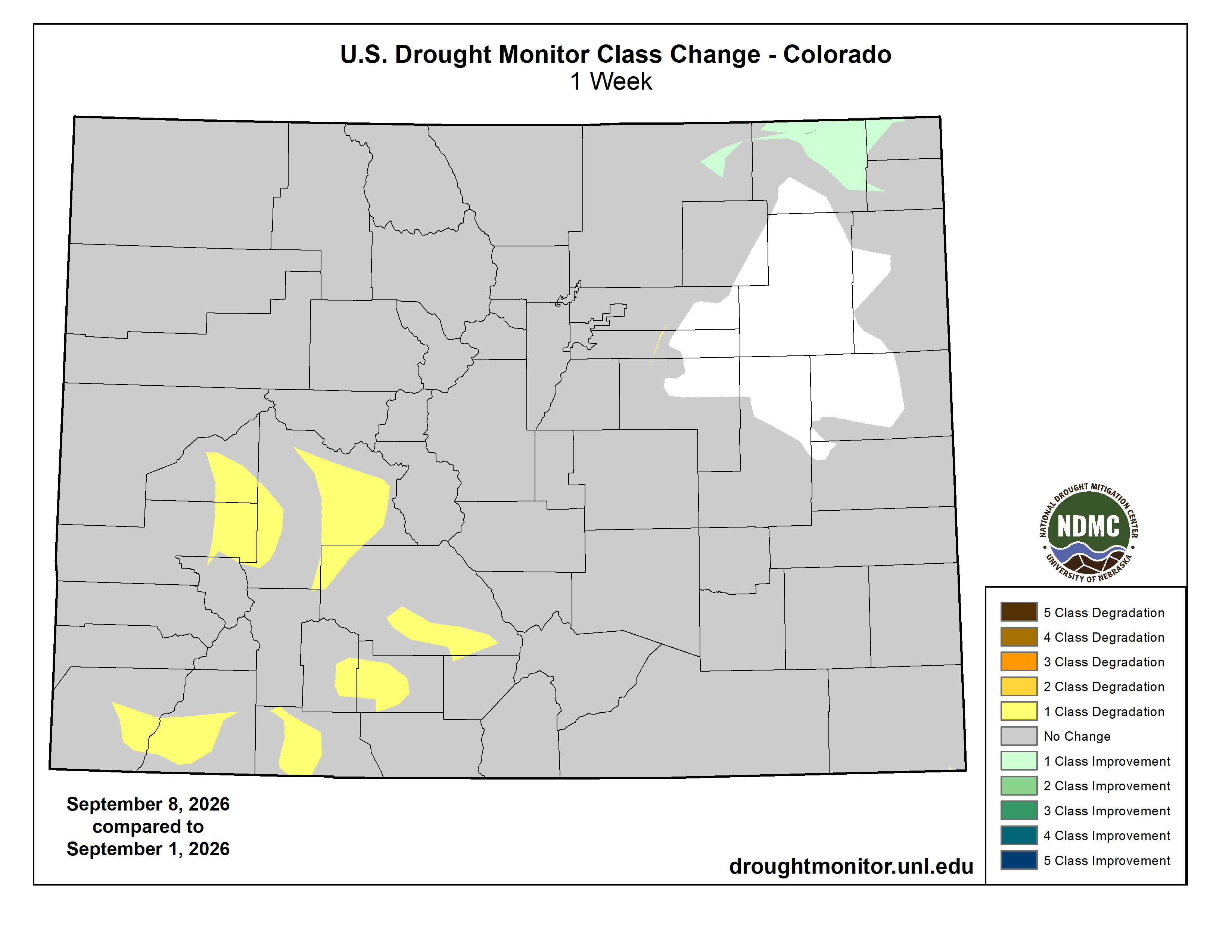
Here’s the US Drought Monitor Map from last week along with the one week U.S. change map.
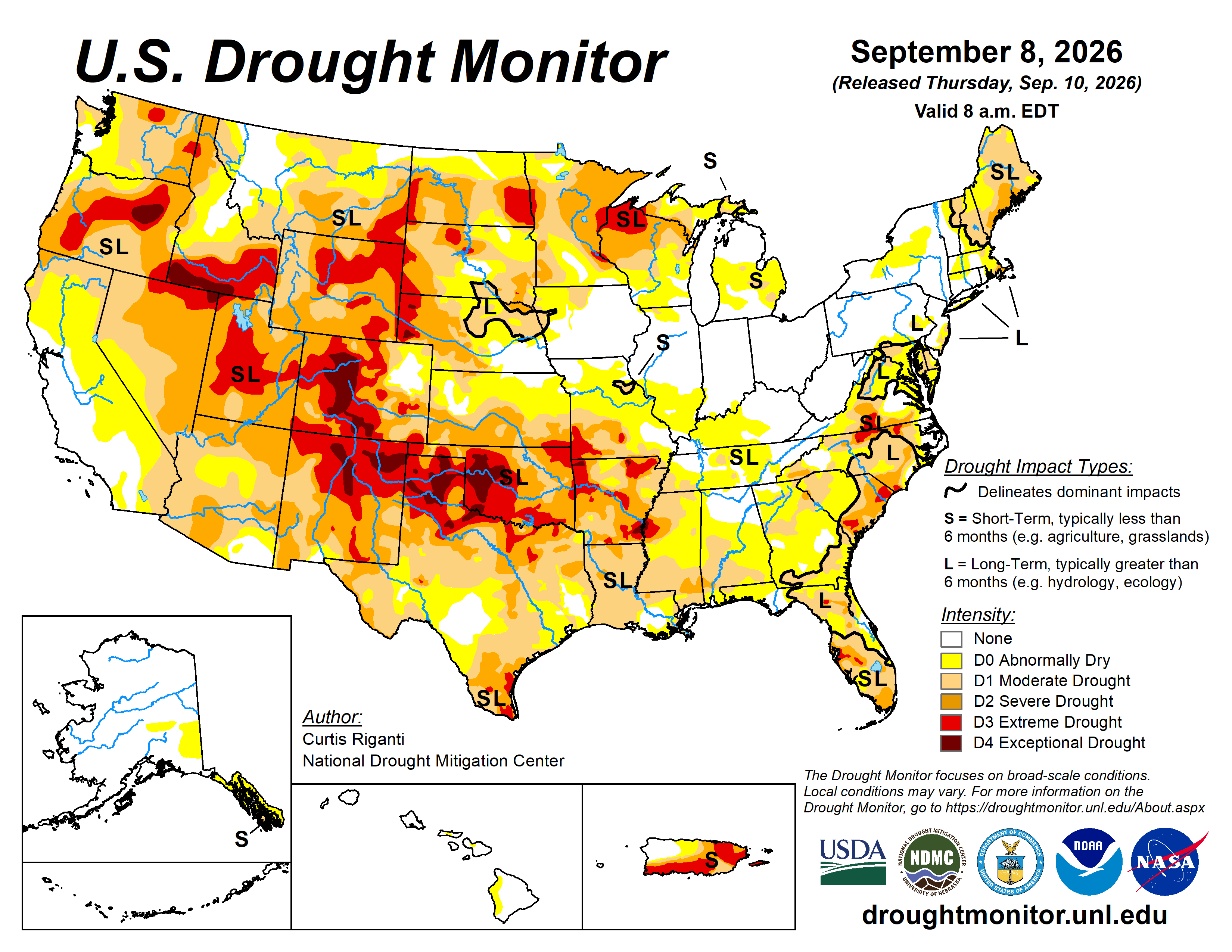

Finally, the Colorado Climate Center released their monthly wrap-up of Colorado climate recently. From the summary:
August was another record-warm month for Colorado, the 3rd in calendar year 2026 and the 4th in Water Year 2026. August also ended the warmest climatological summer on record for Colorado. There were three more heat waves in August and several of the warmest August days the state has experienced in at least 75 years. Precipitation was varied across the state, with some locations getting intense thunderstorm rainfall and hazardous flash flooding, and other spots seeing very little rain and worsening drought. Water Year 2026 continues to be the warmest on record by a large margin, and the 6th driest. Calendar year 2026 through August is also the warmest on record.
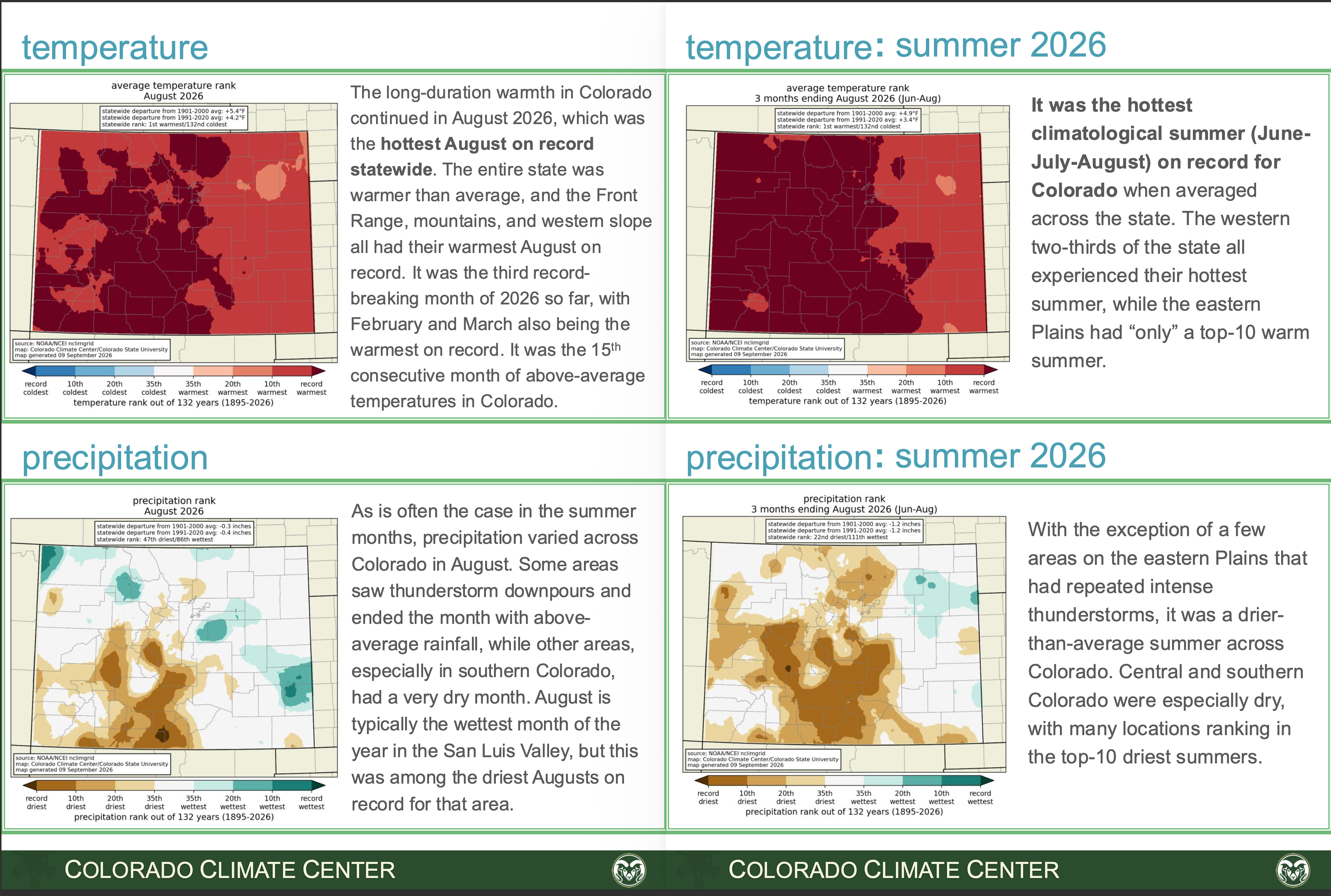
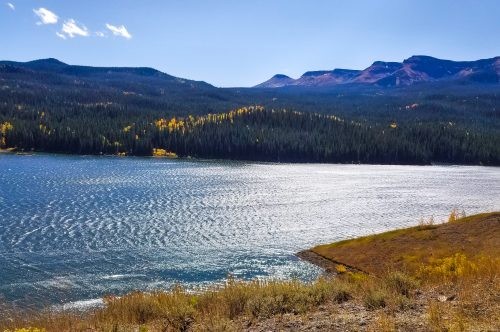
Click the link to read the article on the Water Education Colorado website (Jerd Smith):
September 9, 2026
Colorado ranchers who own some of the state’s most scenic landscapes are joining new research efforts to better understand emerging water quality issues in the Yampa and Gunnison basins, among others.
Pressured by rising stream temperatures and shrinking flows due to climate change, rivers and lakes across the state are showing signs of distress, including algae blooms, some of which are toxic.
At the same time, the Colorado Department of Public Health and Environment and Colorado State University are analyzing water quality and testing how voluntary best management practices, rather than strict regulations, can protect these hallmark water bodies.
Philip Rossi grows hay and runs a cattle operation in the Upper Yampa River Basin above Stagecoach Reservoir. He is among the first ranchers to agree to allow scientists to monitor the water quality, and soon the temperature, of the irrigation water that runs off from his hay meadows.
So far the news has been good, Rossi said. Little if any of the fertilizer he applies to his hay reaches the stream and in the years he’s been working with the CSU researchers, the use of nonfertilized grass strips along the creek that runs through his property has reduced that number even further.
“What I learned is that I wasn’t wasting money. The fertilizer I was putting on was being used, and just as important I wasn’t affecting the stream.”
With results from the first three-year study officially out, another even broader effort involving more ranches is underway. It will add the monitoring of stream temperatures to the analysis.
Erik Wardle, director of Colorado State University’s Agricultural Water Quality Program, said there was little water quality data available in remote regions such as the Yampa Basin. “We wanted some real world data on what’s happening on our ranches and our cow-calf operations.”
As word of the research has spread, more ranchers have come forward to participate, despite skepticism and worry about government efforts to monitor what they’re doing. “Early on I was doing a lot of cold calling, asking ranchers to participate. And a lot of them said, ‘Are you crazy?’ But now I would say 85% of what we’re doing is being driven by these producers. These ranchers have put themselves out there,” Wardle said.
Even in these pristine areas of Colorado, no one expects water quality worries to subside in the warmer future. In response, water agencies in the area are looking for ways to change the way they operate to help streams.
“Water quality on the West Slope has always been assumed to be great,” said Andy Rossi, general manager of the Upper Yampa Water Conservancy District, which owns Stagecoach Reservoir. He is not related to Philip Rossi, the rancher.
“Here we are in snowpack-dominated basins with pristine wilderness areas driving our water supply. But 10 years ago we started seeing changes, like toxic algae blooms in Stagecoach Reservoir and Steamboat Lake.”
Since then, the water district has shifted into high gear to understand what’s happening and why, spending hundreds of thousands of dollars to build a water quality modeling and monitoring program.
Nothing that has been uncovered yet has exceeded a state standard, Rossi said, “yet we still have potentially toxic algae blooms. The assumption has always been that ag is the source of our troubles. But we felt it was unfair to jump to that conclusion without doing the strict science to figure it out.”
Can best practices be shared between ranches?
With early research results in hand, Tyson Ingels, a veteran water quality regulator at the Colorado Department of Public Health and Environment, said the state hopes to avoid a strict regulatory approach for these remote high country lakes and streams, relying on voluntary efforts instead.
“This is a very positive study,” he said. “For mountain hay we didn’t have the best data on how best management practices could impact nutrient levels. This was an area that needed to be better understood.”
Looking ahead, Ingels said the state wants to take a measured approach to these regional water quality issues. That the best management practices that are being used on the Rossi Ranch and elsewhere are working well indicates that water quality goals can likely be achieved without a heavy-handed regulatory effort.
Philip Rossi said he’s feeling optimistic, in part because of all the scientific groundwork that is being laid, as well as the early encouraging results of the studies.
He believes that the temperature studies of the water that is returning to the streams, will also show minimal impact.
The rationale, he said, is that water used to flood irrigate fields seeps into the groundwater, flowing to the stream later, when it has cooled down. This was the belief held by his father and grandfather, and Rossi believes the new studies will uphold those beliefs. “The researchers are going to find out the things that my dad told me and that my grandpa used to say” are true, he said.

Click the link to go to the Colorado Climate Center to download the summary:
September 10, 2026
August was another record-warm month for Colorado, the 3rd in calendar year 2026 and the 4th in Water Year 2026. August also ended the warmest climatological summer on record for Colorado. There were three more heat waves in August and several of the warmest August days the state has experienced in at least 75 years. Precipitation was varied across the state, with some locations getting intense thunderstorm rainfall and hazardous flash flooding, and other spots seeing very little rain and worsening drought. Water Year 2026 continues to be the warmest on record by a large margin, and the 6th driest. Calendar year 2026 through August is also the warmest on record.
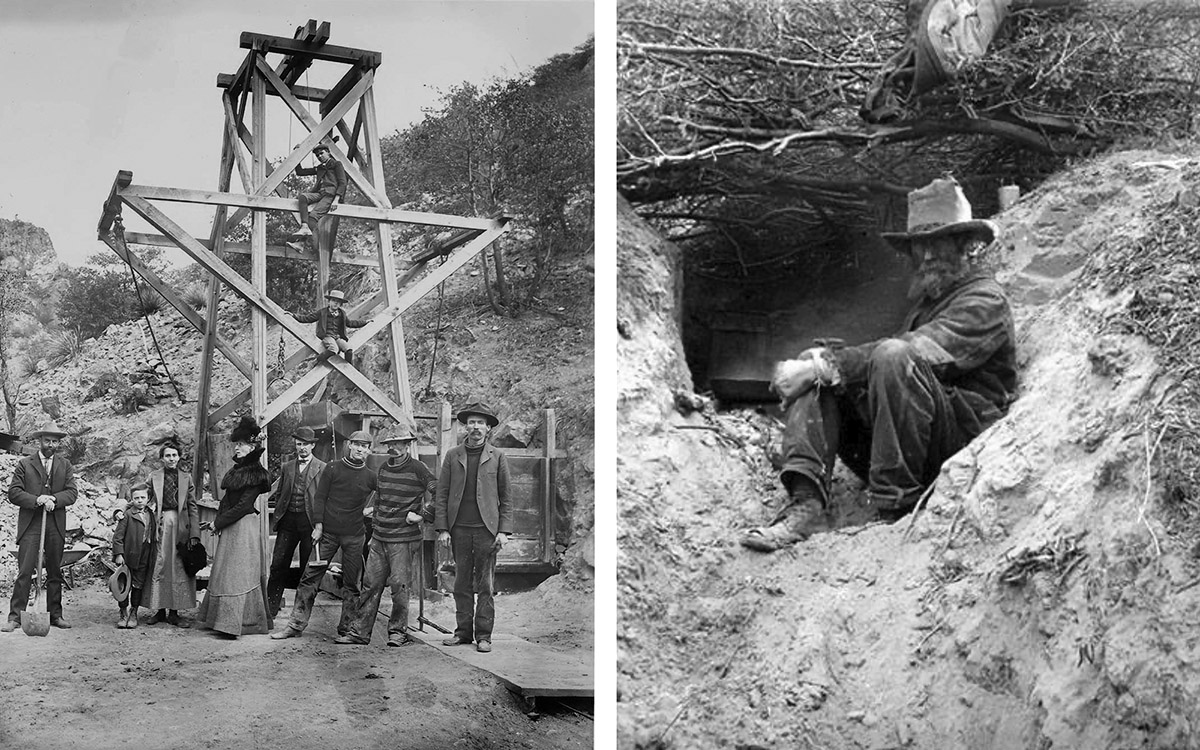
by Robert Marcos
Smaller gold deposits – like those in New Mexico’s Ortiz Mountains, had been identified earlier than these but they lacked the massive infrastructure, communications, and population density that was needed to turn small gold deposits into a major excavations. Furthermore, before the signing of the Treaty of Hidalgo, most of the American West was under Mexican rule which made the large-scale migration to the region more difficult.
At La Paz – a full year before Arizona was even a territory – there were 5,000 miners working hundreds of gold claims on both sides of the Colorado River. These miners and the hundreds of workers who supported them were desperate to find a way to transport people and the tons of supplies needed at these remote sites: which included the small Arizona towns of Quartzsite, Ehrenberg, and Bouse.
The first steam-powered paddleboat to navigate the Colorado River was the Uncle Sam. Designed by Domingo Marcucci and built in San Francisco, the 65-foot-long, side-wheel paddle steamer was shipped in pieces to Port Isabel on the river’s delta. It was reassembled and launched in November 1852 to carry military supplies 120 miles upstream to Fort Yuma. Driven by a tiny 20-horsepower steam engine, the Uncle Sam struggled to make headway against the strong currents (going in the opposite direction), and it took 15 long days in order to complete its first voyage.1
Cocopah was the largest ship used during the Colorado River steamboat era. The sternwheel paddle steamer was built for $35,000 by the George A. Johnson & Company in San Francisco and it was the fifth steamboat to work along the Colorado River. Cocopah’s sturdy engine could carry 100 tons of cargo against the strongest of river currents. The Cocopah was 140 feet long, 29 feet wide, and had a (very shallow) draft of 19 inches, even fully loaded – which was perfect for navigating over shallow water and sandbars.
After being assembled the at Gridiron Landing in Sonora, Cocopah was launched in August of 1859 and captained by David C. Robinson – an experienced captain who formerly steered the steamboat Explorer in a Colorado River voyage. The Cocopah continued its travels along the Colorado River until 1867. Afterward the Cocopah was moved onshore and used to house workers at Port Isabel, near the point where the Colorado River meets the Sea of Cortez.2
The arrival of the Southern Pacific Railroad in Yuma, Arizona, in 1877 dealt a fatal blow to the Colorado River steamboat era. The railroad broke the riverboats’ monopoly on the transportation of cargo and passengers to regions that had previously been hard to reach. Trains moved goods across the desert in a fraction of the time and at significantly lower cost than the steamboats. As rail lines expanded across the Southwest over the following decades, they systematically bypassed the river, rendering the expensive process of shipping supplies upstream entirely obsolete.3
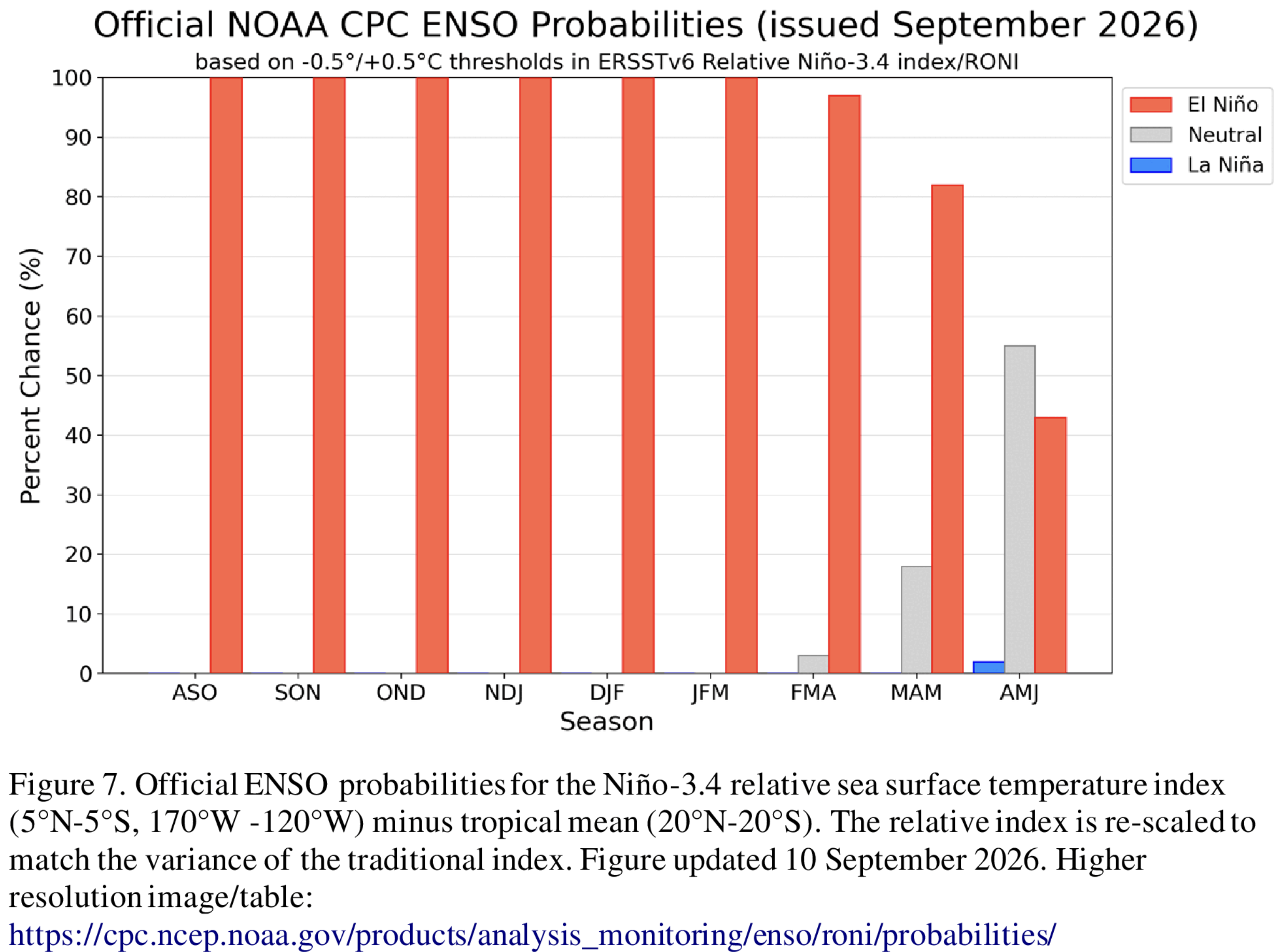
Click the link to read the discussion on the Climate Prediction Center website:
September 10, 2026
ENSO Alert System Status: El Niño Advisory
Synopsis: El Niño is strengthening, with a greater than 90% chance of a very strong event during the Northern Hemisphere fall and winter 2026-27.
El Niño strengthened further over the past month, with sea surface temperature anomalies exceeding +3.0°C in the eastern equatorial Pacific. Except for the Niño-4 index, which decreased to +0.1°C in August, values in the other Niño indices increased, reaching +1.8°C in Niño-3.4, +2.5°C in Niño-3, and +3.4°C in Niño-1+2. The equatorial subsurface temperature index (average from 180°-100°W) remained steady during August, reflecting a deeper-than-average thermocline. Subsurface temperatures continued to be significantly above average, with widespread anomalies in excess of +10.0°C at depth. Low-level westerly wind anomalies and upper-level easterly wind anomalies extended from the western to the east-central equatorial Pacific. Enhanced convection and rainfall persisted from the central to the eastern Pacific, while anomalies remained suppressed over Indonesia. The traditional and equatorial Southern Oscillation indices remained negative. Collectively, the coupled ocean-atmosphere system reflected a strengthening El Niño.
The CPC Official ENSO outlook, which synthesizes multiple models from North America and abroad, indicates El Niño will continue to strengthen through the end of the year. During the October-December 2026 season, there is a 75% chance of a historic event that would exceed the strength of previous El Niño events dating back to 1950 (+2.5°C or more for a 3-month RONI value). With an event of this magnitude, the chances of experiencing impacts consistent with El Niño are larger, though not guaranteed (see CPC outlooks for probabilities of seasonal anomalies). In summary, El Niño is strengthening, with a greater than 90% chance of a very strong event during the Northern Hemisphere fall and winter 2026-27.
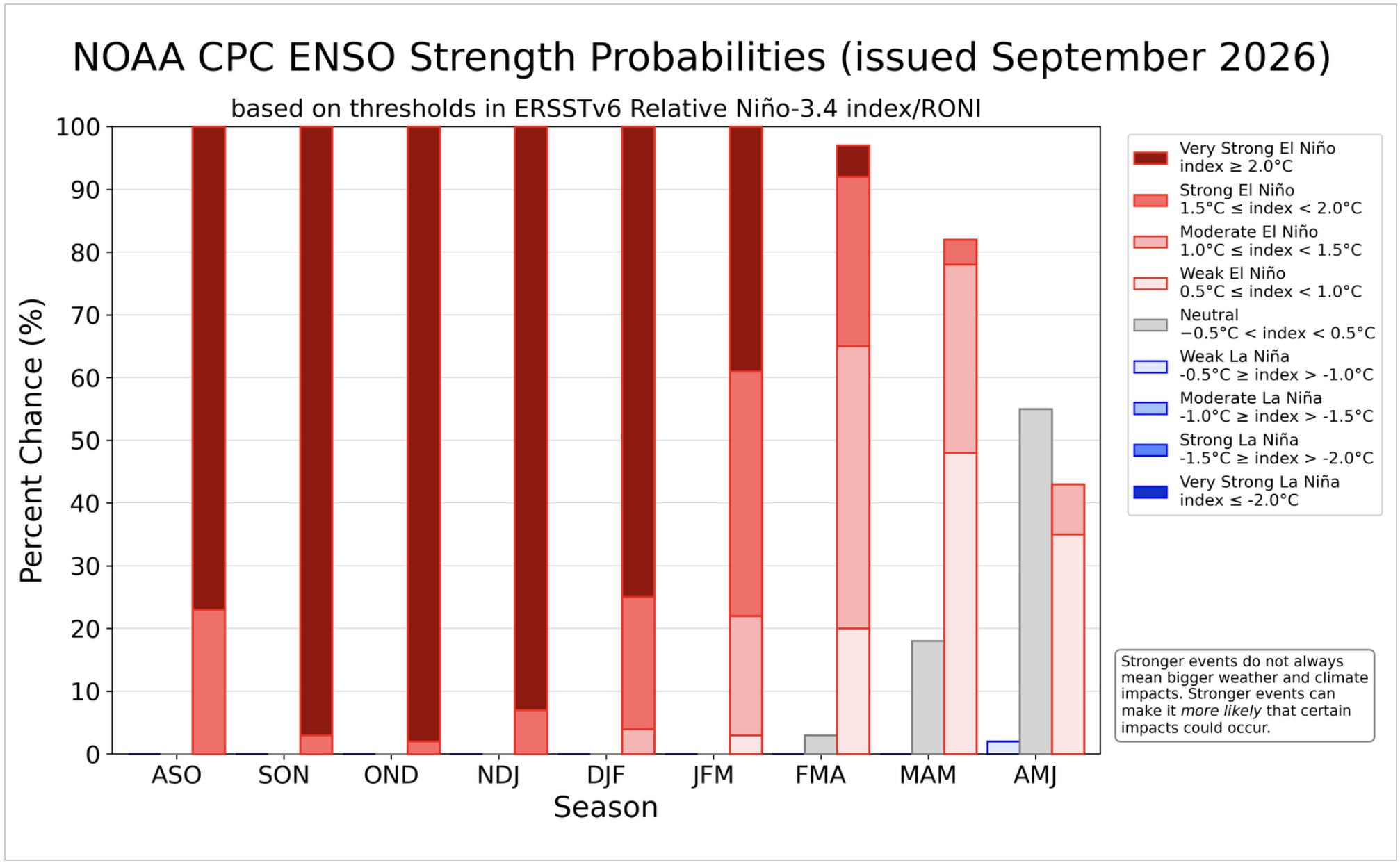
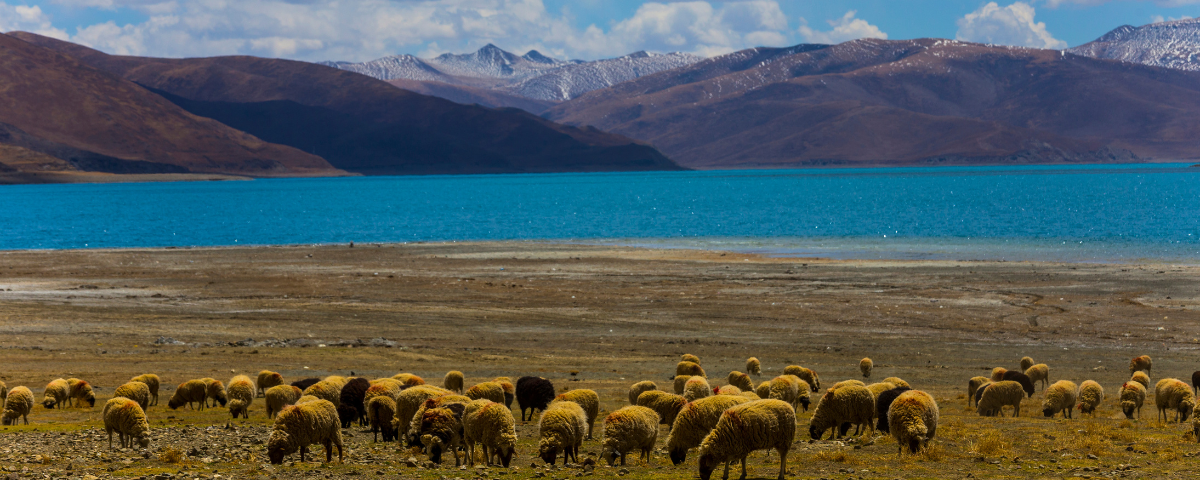
Click the link to read the article on the NOAA website:
September 10, 2026
August Highlights:
- August was the warmest on record for the globe, eclipsing the previous tied records of 2023 and 2024 by 0.14°F (0.08°C). The June–August three-month season was also record-warm.
- Global sea surface temperature reached an all-time high in August.
- El Niño conditions persisted during the month, driving record-high temperatures across vast areas of the central and eastern tropical Pacific Ocean.
- Global land surface temperature was near-record warm for August and June–August.
- The Northern Hemisphere experienced its warmest summer, while the Southern Hemisphere had a near-record warm winter.
- The Arctic and Antarctic had a below-average sea ice extent.
- Global tropical cyclone activity was above average with 19 tropical storms.
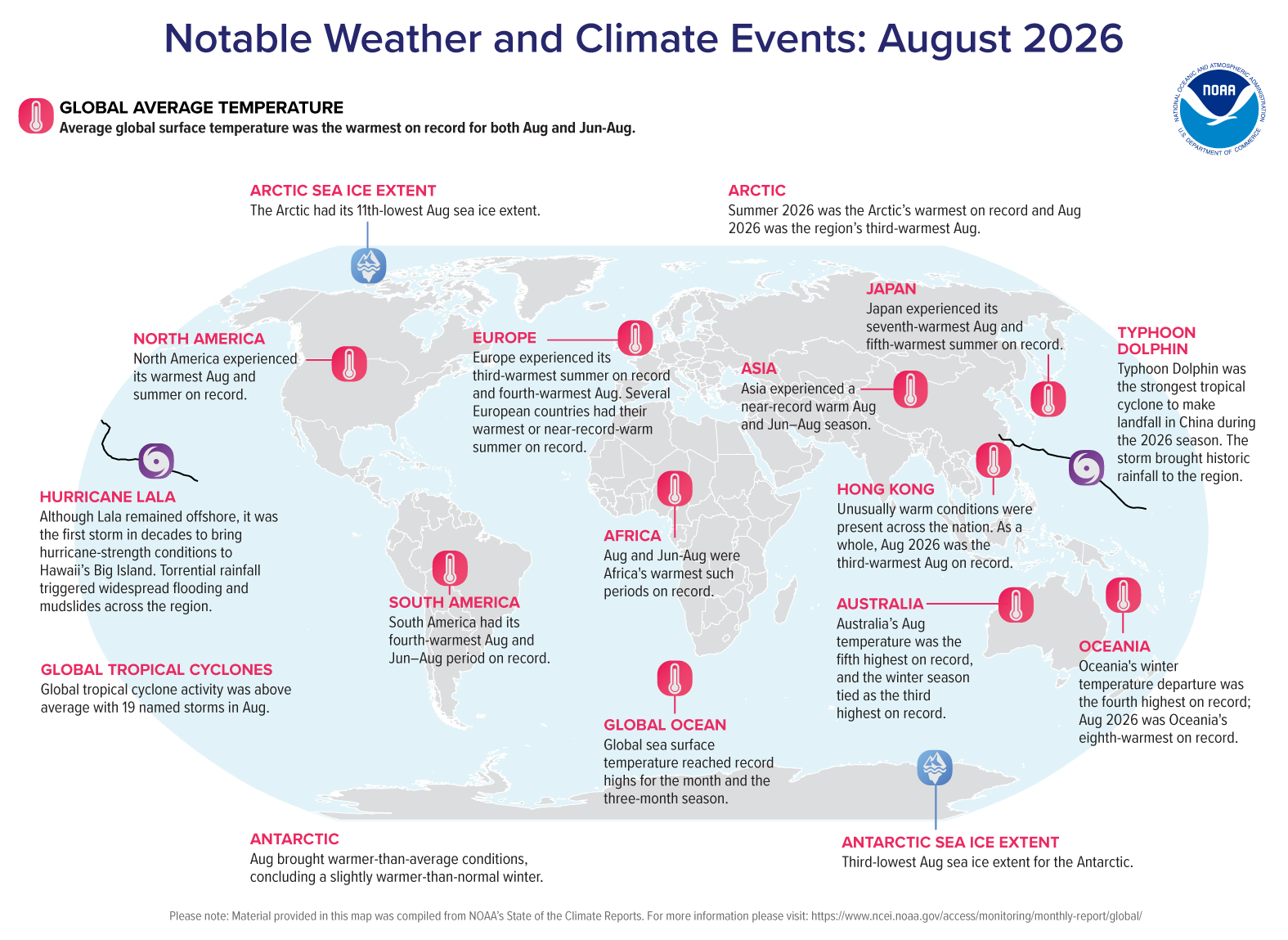
Temperature
The global surface temperature in August 2026 was 2.38°F (1.32°C) above the 20th-century average—the warmest August in the 1850–2026 record, eclipsing the previous tied records set in 2023 and 2024 by 0.14°F (0.08°C). It marked the 48th-consecutive August with global temperatures above the 20th-century average (the last below-average August occurred in 1978), and all 10 of the warmest Augusts on record have occurred since 2016. Global ocean temperatures set a new record high, while global land temperatures were near-record warm.
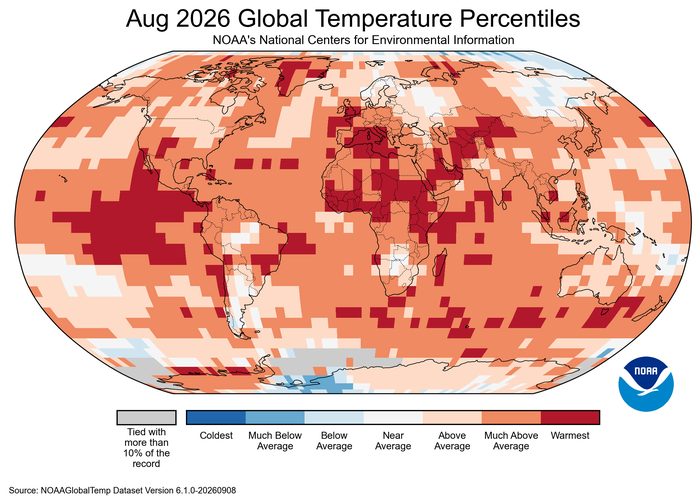
During August 2026, above-average temperatures covered most global land and ocean surfaces. Notable temperature departures of at least +3.6°F (+2.0°C) spanned Europe, Africa, Asia, Antarctica, parts of North and South America, North Pacific Ocean, and a vast area of the central and eastern tropical Pacific Ocean (consistent with ongoing El Niño conditions). Record-high August temperatures were mainly present across Greenland, Africa, and parts of Europe, Asia, North and South America, the Atlantic, Indian, Southern and Canadian Arctic oceans as well as extensive areas of the central and eastern Pacific Ocean.
Below-average temperatures were limited to parts of the Arctic, eastern Russia and Antarctica. However, no land or ocean areas had record-cold August temperatures.
Regionally, most continents experienced a top-10 warmest August on record. North America and Africa both experienced their warmest August on record, while Asia experienced its second-warmest August. The Arctic recorded its third-warmest August, followed by South America and Europe each recording their fourth-warmest. Oceania had its eighth warmest, while Antarctica experienced an above-average August, its rank fell outside its top 10.
Seasonal
Globally, the average surface temperature from June–August 2026 was the highest (+2.18°F / +1.21°C) in NOAA’s 177-year record. The June–August period marks the meteorological summer for the Northern Hemisphere and winter for the Southern Hemisphere.
During this three-month period, the Northern Hemisphere experienced its warmest meteorological summer, while the Southern Hemisphere experienced its second-warmest meteorological winter.Year-to-date
Looking at the year-to-date, the January–August global surface temperature was second highest on record. According to NCEI’s Global Annual Temperature Outlook, it is very likely that 2026 will rank among the five warmest years on record, with the highest probabilities favoring the second-warmest year on record.
Sea Ice
Global sea ice extent was the fourth smallest for August in the 48-year record, covering 8.50 million square miles, which is 870,000 square miles below the 1991–2020 average. The Arctic had its 11th-lowest August extent on record, falling 340,000 square miles below average. Meanwhile, the Antarctic sea extent was 530,000 square miles below average and the third-smallest August extent.
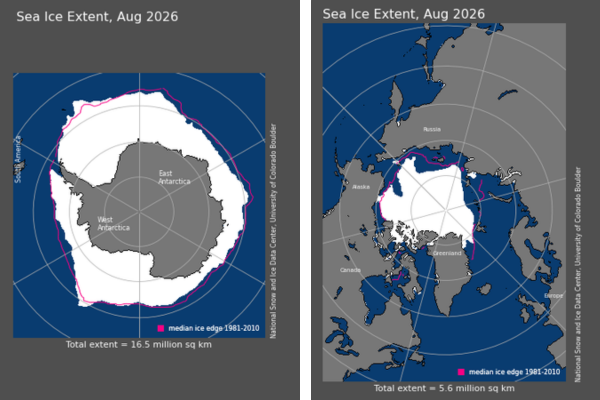
Tropical Cyclones
Global tropical cyclone activity was above average in August, producing 19 tropical storms. Of those, five reached hurricane or typhoon intensity, with four attaining major status (Category 3 or higher). Driven by ongoing El Niño conditions, activity varied by basin. The Atlantic was unusually quiet, producing two weak, short-lived tropical storms: Cristobal and Dolly. In contrast, warmer waters across the central and eastern tropical Pacific Ocean fueled the development of eight named storms across the Eastern North Pacific basin. Of note, Hurricane Lala passed near the Big Island of Hawaii as a Category 1 hurricane. Although Lala remained offshore, it was the first storm in decades to bring hurricane-strength conditions to Hawaii’s Big Island. Torrential rainfall triggered widespread flooding and mudslides across the region.
The West Pacific basin also had an above-average month with nine storms. Notably, Super Typhoon Dolphin brought heavy rain and strong winds to parts of southern Japan and China. The storm brought historic rainfall to parts of China.
No storms formed in the North Indian Ocean nor in the Southern Hemisphere basins, which is typical during this time of year.
For a more complete summary of climate conditions and events, see our August 2026 Global Climate Report or explore our Climate at a Glance Global Time Series.
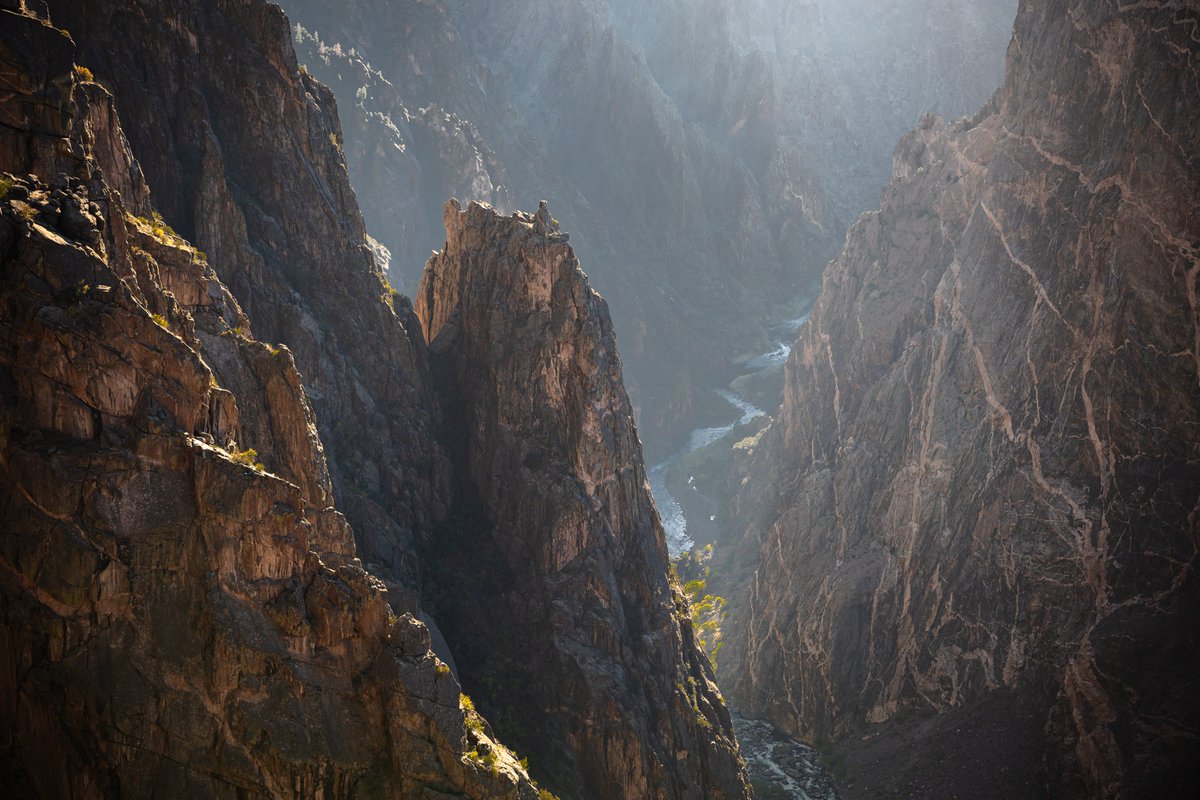
From email from Reclamation (Andrew Limbach):
On Monday, September 14th at 8:00 AM (MDT), the UVWUA will begin ramping down tunnel diversions to 675-700 cfs. In coordination with that effort, Crystal releases will decrease to 875-900 cfs from 1240 cfs, and flows through the Black Canyon will be between 200-225 cfs. Tunnel diversions are anticipated to be at 700 cfs through October 31.
The Crystal outlet works typically experiences increased levels of cavitation between 900 and 1200 cfs. Therefore, Crystal releases may need to be adjusted as needed to find an optimal operating zone. Recreators and boaters in the Black Canyon should expect fluctuations of river flows until the final releases and diversions are set. Another notification will be sent out once the releases are finalized.

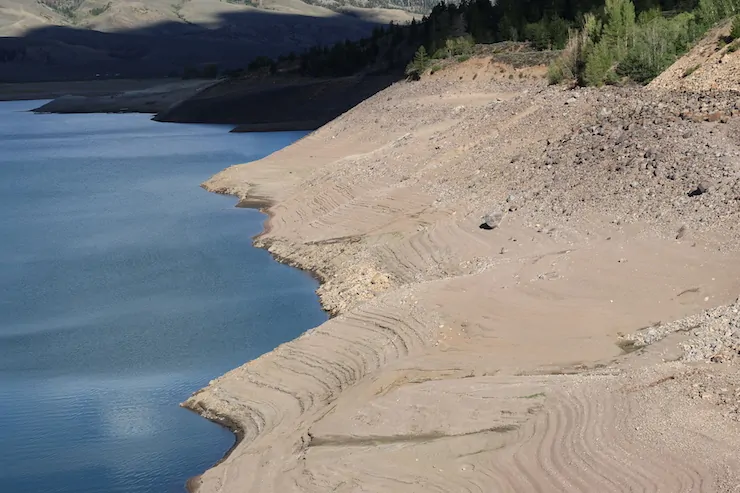
Click the link to read the article on the Big Pivots website (Allen Best):
September 7, 2026
No place in Colorado that I have visited offers such blunt testimony to the warming, drying climate than Green Mountain Reservoir. It also poses a question to those politicians whose answer to non-winters and ever-hotter summers is more dams and reservoirs.
The reservoir between Silverthorne and Kremmling was 14% full during Labor Day weekend, according to the U.S. Bureau of Reclamation, the operator. Put another way, it was 86% empty.
That’s worse even than the roughly 78% empty at Lake Powell, the reservoir located roughly 700 river miles downstream from Green Mountain.
Green Mountain was part of Colorado’s mission begun in the 19th century to put water to “beneficial use,” a central axiom of state water law. Pioneer settlers did an admirable job of this, in the beginning using nothing more than horses, oxen and human labor.
In 1902, the federal government became a partner, creating the Bureau of Reclamation. Over the next roughly 90 years, the federal treasury was visited repeatedly to prevent “waste” of any portion of the Colorado River flowing into the Pacific Ocean.

Construction of Green Mountain Dam was part of that work. During the hot, dry 1930s, farmers in the Fort Collins-Longmont-Greeley area wanted to import water from the Colorado River headwaters near Grand Lake. Western Slope irrigators objected. Farms in the Grand Junction area would lose late-season water needed to get their crops and orchards across the finish line.
Green Mountain was the compromise. And it has worked out well. A pool of 66,000 acre-feet of water was reserved for down-stream irrigators in the Grand Junction area. Deliveries in this canal usually continue through October, sometimes later.
This year was different. For the first time in 110-plus years, deliveries ended in late August.

In April, the Glenwood Springs-based Colorado River Water Conservation District issued a warning. Green Mountain was the lowest it had been since filling during World War II. This jeopardized the late-summer flows to irrigators who took delivery of water from the Government Highline Canal. The canal diverts water from the Colorado River at the Roller Dam, a short distance upstream from Palisade. It then distributes water to farms and orchards for 55 miles, nearly to the Utah border.

This year, in a testament to cooperation, the Colorado River District and Colorado Water Conservation Board ponied up more than $1 million to buy use of water. Water was tapped from headwaters reservoirs, most notably Wolford and Williams Fork, near Kremmling, and Ruedi, near Basalt. Others, including Front Range diverters, helped.
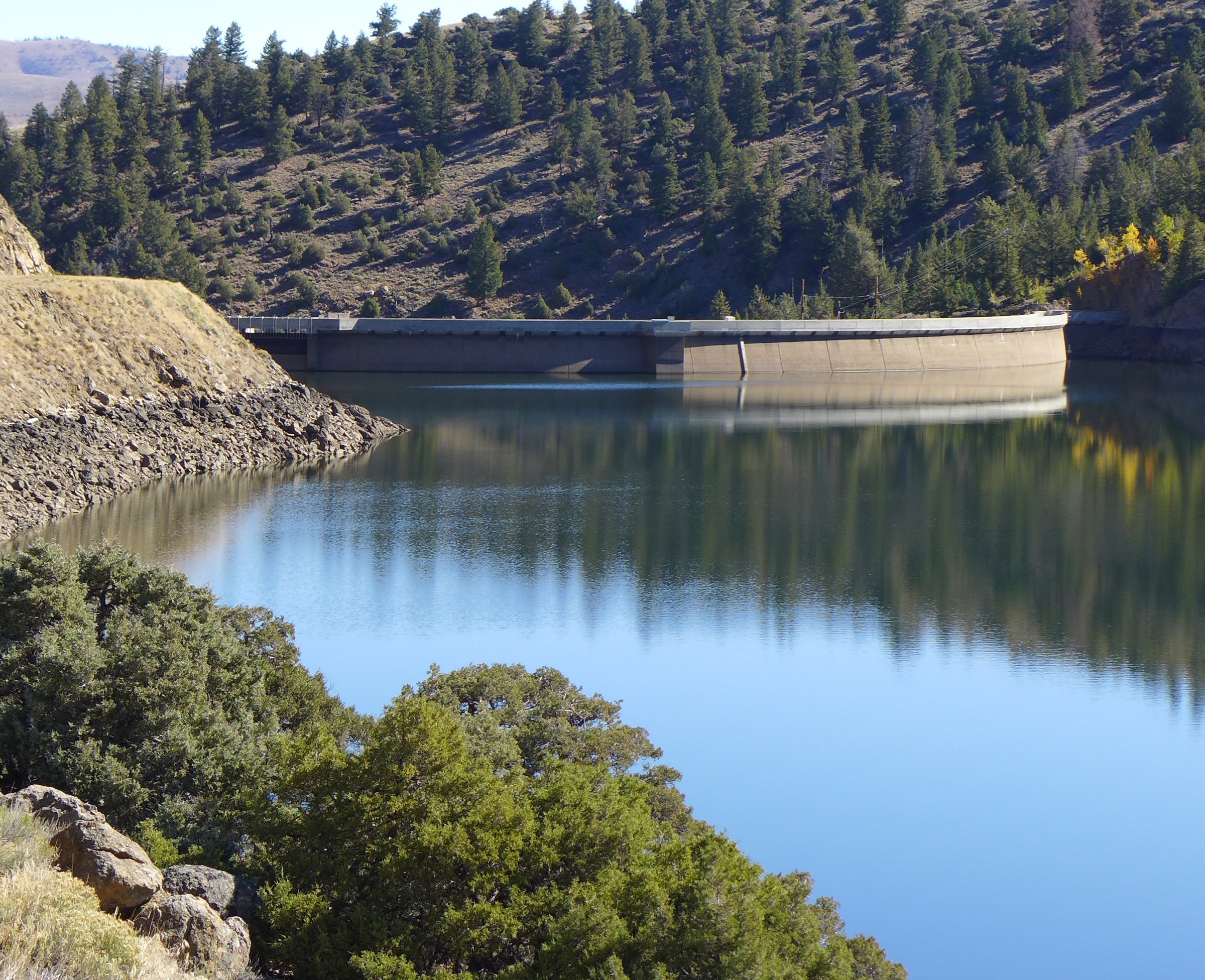
Irrigators got only 50% of their normal water. In response, many switched crops to varieties of plants that could survive with less water.
Even so, by late August, the water was running out. The Grand Valley Water Users Association, operator of the canal, stopped deliveries on September 3. Maybe monsoon rains will deliver water to resume operations, but that’s the story for now.
Once again, the idea that we just need to store more is entirely too simplistic. Yes, saving for a rainy day is always good, but this idea that we can build our way to more water defies ample evidence about the warming, drying climate.
We can have droughts, yes. They come and go. But the science clearly shows that these hot, dry years of the 21st century will not be ephemeral. They have been driven by a warming climate caused by accumulating greenhouse gas emissions.
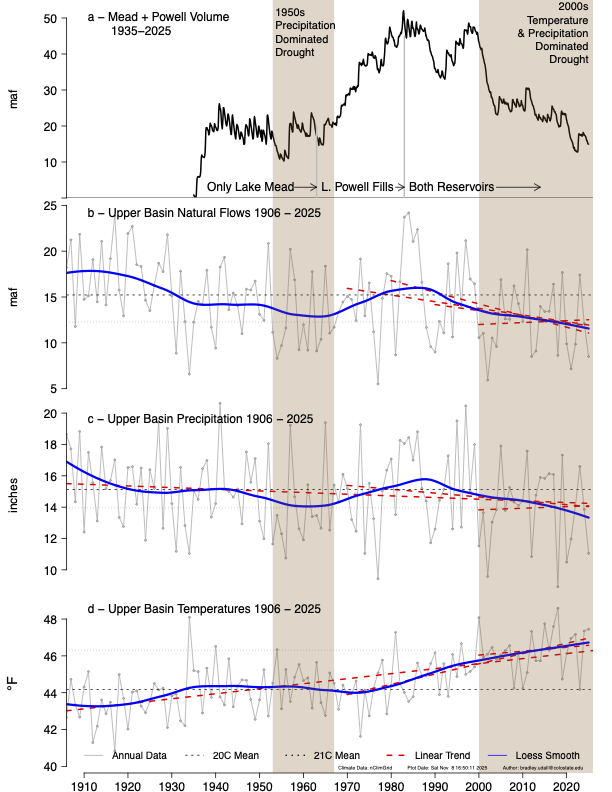
In the 20th century, the Colorado River delivered about 15.2 million acre-feet. In this century, the annual flows have declined to 12.2 million acre-feet. Since 2020, average flows have declined even more, to 10 million acre-feet. And this recent span included a very, very big snow year, in 2022-23, a three-wire winter like those of old. But the spring was like those of the 21st century, early and uncommonly warm.
The pitiful storage in Green Mountain, whose shoreline is seen in the above photograph I took on Aug. 17, testifies to this warming, drying climate. So does the canal near Grand Junction where deliveries were cut off last week for the first time in 110 years. And then we have near doubling of 95 degree-plus days in Denver during last 30 years as compared to the three decades before as reported by KUSA.
Might we figure out better infrastructure? Maybe. The idea of storing water underground, as Greeley began doing several years ago, intrigues. It requires more energy but greatly reduces evaporative loss.
The federal government in its documents has excised climate change. So have many politicians in Colorado speaking on the stump, hewing to the recent version of political correctness.
If there are ideas for storing water that don’t assume a return to the climate of the 20th century, I’m all for hearing them. But to think this is just another drought defies tons of evidence.
See also:
“Does 80% of Colorado’s precipitation really fall west of the Continental Divide?” Russ Schumacher, Jan. 17, 2024.
“A first in the 110-year history of this canal,” Big Pivots, Sept. 3, 2026
“Amid the y’alls, two themes at the Colorado Water Congress conference,” Big Pivots, Aug. 31, 2026
“Rare optimism about the Colorado River,” Big Pivots, Aug. 24, 2026
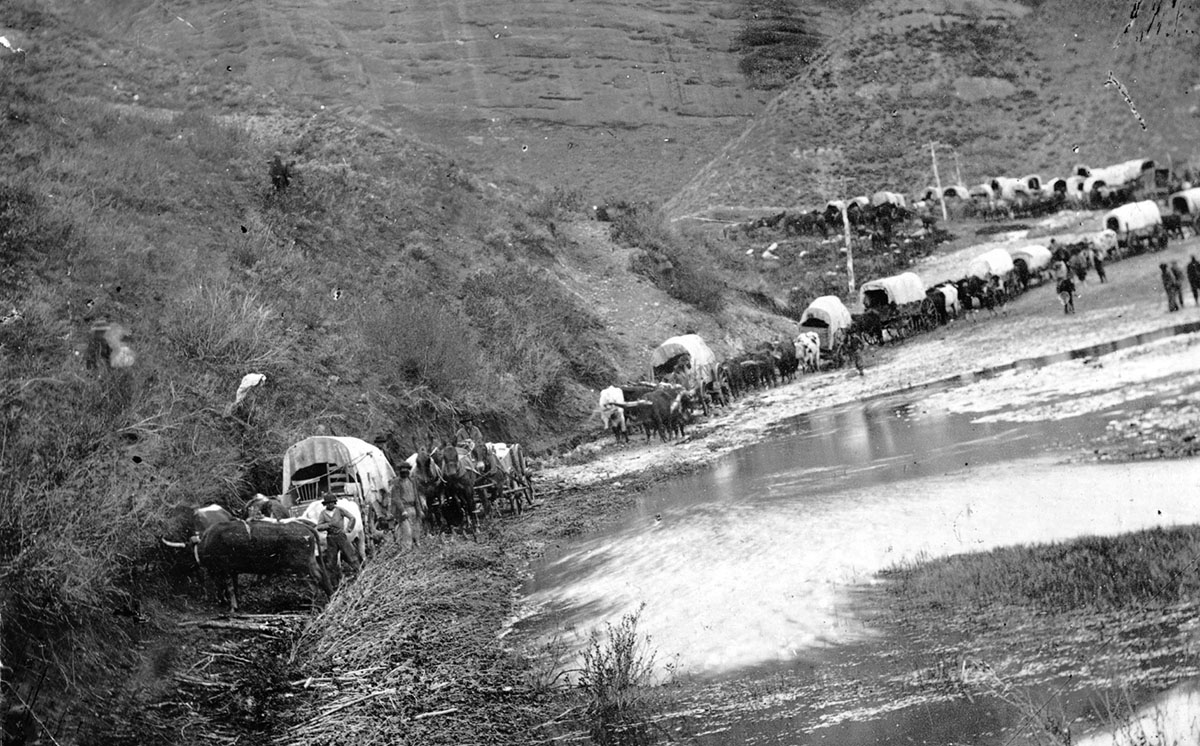
by Robert Marcos
When the Mormon pioneers arrived in the Salt Lake Valley in July 1847, they encountered a landscape starkly different from the humid climates of Illinois and Missouri. Receiving less than sixteen inches of annual rainfall, the valley was an arid expanse. However, the settlers quickly recognized a crucial geographic asset: the Wasatch Range. Towering over the eastern edge of the valley, these mountains acted as a massive cold-weather reservoir, capturing vast amounts of winter snowfall. As spring and summer temperatures rose, this snowpack melted, sending high-volume runoff down steep canyons into local mountain streams like City Creek, Red Butte Creek, and the Provo River. To survive, the pioneers had to capture and control this mountain runoff for agriculture, effectively executing the first large-scale Anglo-Saxon irrigation system in modern American history. 1
The physical redirection of the water relied entirely on gravity. Because the Wasatch Range drops steeply into the low-lying valley, water flowed downward naturally with substantial force. Within hours of their arrival on July 23, 1847, the pioneers built a rudimentary timber and earthen dam across City Creek. This initial barrier pooled the fast-moving runoff, forcing it into a hand-dug ditch that redirected the water onto five acres of dry land, softening the sun-baked earth enough to allow plowing and the planting of potatoes. As the settlement grew, this experimental ditch expanded into a massive, organized network of canals. Main canals tapped into mountain streams right at the canyon mouths where the water exited the Wasatch Range. Using simple tools like shovels, pickaxes, and ox-drawn scrapers, the pioneers dug primary ditches that followed the natural contours of the valley slope, maintaining a gentle decline. From these primary canals, a lattice of secondary and tertiary ditches branched out directly into individual communities and agricultural fields. Inside the towns, irrigation ditches ran down both sides of the wide streets to provide water for residential gardens and orchards. 2
The infrastructure required to channel the Wasatch runoff could not have succeeded through individual effort alone; it demanded centralized planning and communal labor. Under the direction of Brigham Young, the territory departed from traditional American riparian water law—which dictated that water belonged exclusively to whoever owned the riverbanks. Instead, the pioneers established a doctrine of communal ownership where water was treated as a public resource. The construction and maintenance of the canal systems were divided among ecclesiastical units known as “wards”. Local bishops doubled as water masters, organizing community members to dig and clear the ditches. Water distribution was tightly regulated through a system of “turns”. Farmers were assigned a specific day and hour to open their wooden headgates, allowing the mountain runoff to flood their fields. This highly disciplined approach to water management proved incredibly scalable. By 1865, less than two decades after their arrival, the settlers had constructed over 1,000 miles of canals across Utah, transforming an unforgiving environment into a highly productive agricultural oasis. 3
The early Mormon approach to water sharing in the Great Basin was not merely a pragmatic response to a dry climate; it was a direct extension of a radical, communal theology. While standard 19th-century American culture championed rugged individualism and private property rights, the Church of Jesus Christ of Latter-day Saints operated under a philosophy of theocratic collectivism. This worldview, deeply rooted in the revelations of founder Joseph Smith and enforced by his successor Brigham Young, reshaped how natural resources were legally, spiritually, and physically distributed. 4

Re-upping this post from 2017.
The morning of 9/11 I was working at the computer. My son barged into the computer room and said, “Papa a plane hit the the World Trade Center building!”
I will always remember the people that died that day.
The best coverage of the event turned out to come from the bloggers. The talking heads on TV kept interviewing the same people and showing the same footage over and over. Meanwhile the bloggers reported what was going on from the point of view of those most affected by the losses of loved ones and what they observed on the street.
From my post on the first anniversary of the event:
The events of that day led me into the world of weblogging. I started reading Dave Winer’s Scripting News regularly. At the time he was pointing to people writing about the tragedy, in real time, in their own voices, and I was stunned by the effectiveness and quality of the reporting and opinion being published. Here’s the 9/11/2001… Scripting News. No one got much work done that day. A couple of TV’s were on in the building but people mostly sat around talking, working through the events, getting comfort from human conversation and interaction.
Click on a thumbnail graphic to view a gallery of drought data from the US Drought Monitor website.
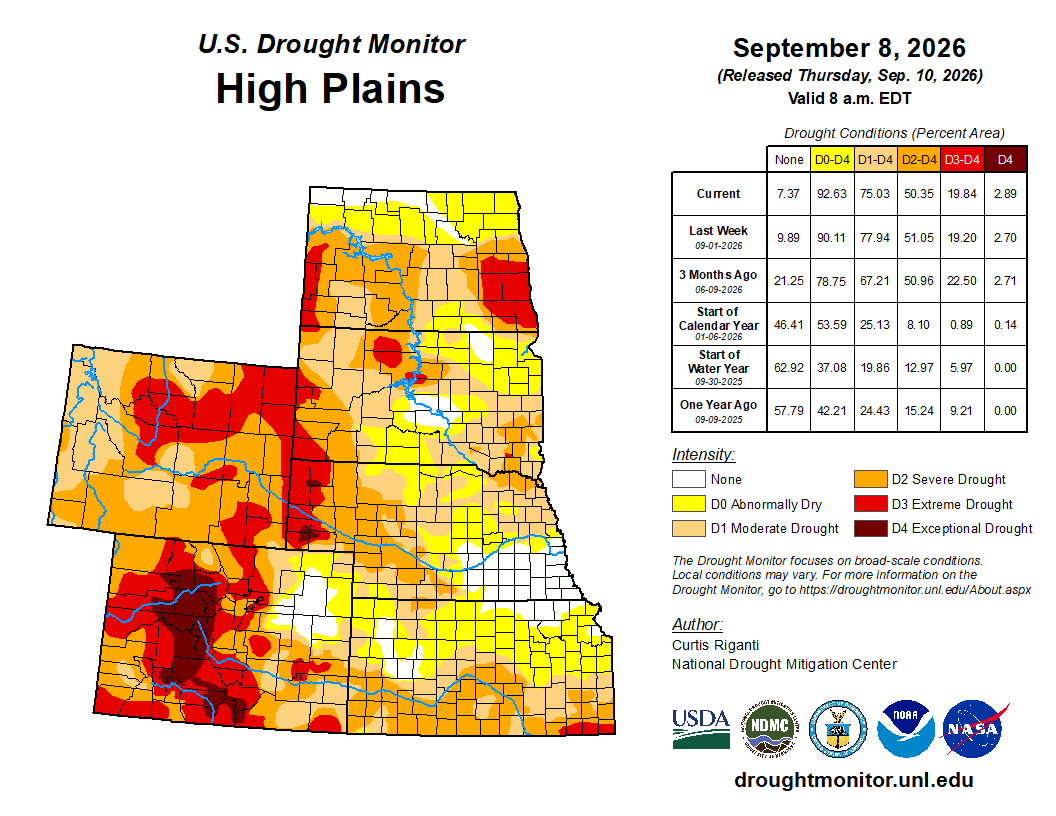

Click the link to go to the US Drought Monitor website. Here’s an excerpt:
This Week’s Drought Summary
Drought and abnormal dryness continued to expand or intensify this week across parts of the central and south-central United States as flash drought conditions continued from much of Texas northeast to the middle and lower Mississippi River Valley. Warmer-than-normal temperatures, ranging from 10-15 degrees F above normal in much of the central Great Plains, Corn Belt and Missouri, combined with mostly dry weather in these areas to support worsening drought. Largely drier weather also continued this week in New England, in parts of the Michigan Upper Peninsula, along parts of the North Dakota-South Dakota border, in southeast Montana and in southwest Colorado, leading to degradations occurring in parts of these areas. In contrast, heavy rains fell from southeast South Dakota into western Iowa and southern Minnesota, in eastern Wisconsin, in northern North Dakota, in western Oregon and in parts of the northern Rocky Mountains in Montana and Idaho. Scattered heavy rains, locally 2-3 inches or more, also occurred in parts of Pennsylvania, New Jersey and Delaware, eastern North Carolina and Florida. Tropical Storm Edouard and its remnants delivered very heavy rain amounts, locally 10-15 inches or more, in a narrow corridor in southeast Texas. Lowell, in the central Pacific Ocean, delivered heavy rain amounts to Niihau, Kauai and Oahu as it passed west of the islands as a hurricane earlier this week, alleviating abnormal dryness in a few areas. Conditions continued to improve in localized areas of Puerto Rico this week after recent heavy rains. While the central United States dealt with an early-autumn heat wave, near- or below-normal temperatures occurred from the Great Basin west to the Pacific Ocean…
High Plains
Conditions in the High Plains region this week were mixed. Scattered heavy rains fell in northeast and southwest Nebraska, southeast South Dakota, northern North Dakota and far southwest Kansas, leading to localized or widespread improvements in these and neighboring areas. However, temperatures across the region were warmer than normal, leading to abnormally high atmospheric thirst and widespread degrading conditions in parts of the region. Temperatures were mostly 10-15 degrees above normal in Kansas, eastern Nebraska and southeastern South Dakota. Eastern Kansas and southeast Nebraska were particularly hot and dry this week, leading to large expansions of moderate, severe and extreme drought in south-central and southeast Kansas, and the introduction of abnormal dryness in much of northeast Kansas. Unusually wet weather in August kept conditions in southeast Nebraska from drying as much as areas farther south and southeast. Severe and extreme drought also grew in coverage in southeastern North Dakota, where warm and dry weather this week worsened precipitation deficits and soil moisture conditions. Drought conditions improved in southeastern South Dakota, and adjacent far northeast Nebraska, where rain amounts of 2-5 inches fell. Similar amounts of rain fell in parts of northern North Dakota, leading to improvements in soil moisture and streamflow there and improving drought conditions. Heavy rain amounts of 1-3 inches fell in parts of southwest Nebraska and the Nebraska Panhandle, and adjacent northeast Colorado, lessening precipitation deficits and improving drought conditions…
West
Most of California, Oregon, Washington and Idaho were cooler-than-normal this week, with some areas of northern California and southern Oregon finishing the week 10-15 degrees below normal. Eastern portions of New Mexico and Montana, by contrast, were warmer than normal, with temperatures in most areas 5-10 degrees above normal. Widespread moderate to heavy precipitation fell from northern California across portions of Oregon, central and northern Idaho and western and northern Montana. Precipitation amounts in western Montana and northern Idaho ranged from 2 to 6 inches. This led to increased soil moisture and streamflow and lessened short- and long-term precipitation deficits, and the coverage of moderate and severe drought and abnormal dryness lessened in some areas. Precipitation also improved conditions in south-central Oregon, as long-term precipitation deficits lessened in severity. Long-term precipitation deficits grew amid groundwater and soil moisture shortages in south-central Nevada, leading to an increase in severe drought coverage there. In southeast Montana, warm and dry weather led to decreased streamflow and soil moisture in a few areas, leading to localized expansion of severe and extreme drought…
South
Large parts of the South region continued to quickly dry this week amid mostly above-normal temperatures and dry weather. A few exceptions include southern Louisiana, southeast Texas (where former Tropical Storm Edouard dropped rain amounts that locally exceeded 10 inches), and parts of the western Oklahoma Panhandle, where scattered thunderstorm rains occurred. Isolated one-category improvements occurred in the Oklahoma Panhandle, while one- and two-category improvements occurred in southeast Texas, where precipitation deficits were either reduced or erased entirely, along with improved soil moisture and streamflow. Elsewhere, mostly dry weather and hot temperatures (5-15 degrees above normal) covered a wide area from western and northern Texas through most of Oklahoma, Arkansas, northern Mississippi and Tennessee. Short-term rainfall deficits continued to grow across much of the region, along with dropping soil moisture and streamflow levels, leading to widespread agricultural drought impacts. Large areas of degrading conditions spread from much of Texas into eastern Oklahoma, Arkansas, northern Mississippi and portions of Tennessee. The rapidly drying weather in Tennessee came after much wetter recent weather, somewhat lessening the impact of the recent heat and dryness there and in neighboring Kentucky…
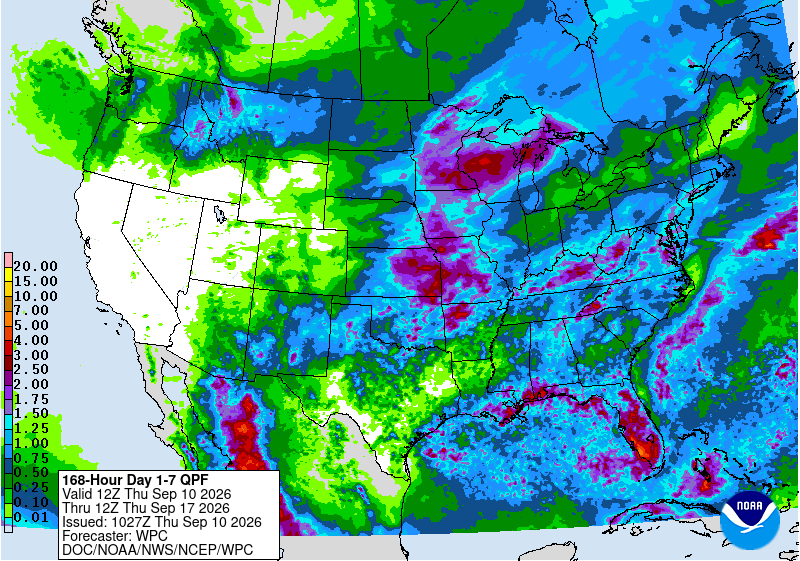
Looking Ahead
From the evenings of Wednesday, September 9-Monday, September 14, the National Weather Service Weather Prediction Center precipitation forecast is for mostly dry weather in the West, and in the western half of the Great Plains, except for parts of north-central Idaho eastward across Montana into North Dakota, where over 0.75 inches of precipitation are forecast in most areas. Eastern parts of South Dakota, Nebraska, Kansas and Oklahoma may also receive 0.75 inches or more of rain, with some parts of eastern Kansas and western Missouri forecast to receive 1.5 inches of rain or more. Much of northern Iowa, Minnesota, northwest Wisconsin and the western Upper Peninsula of Michigan are forecast to receive at least 1.5 inches of rain. Rain amounts at or above 0.75 inches are also likely in parts of the Ohio River Valley, southern Mid-Atlantic, southeast Louisiana, and parts of southern Mississippi, Alabama, northern Georgia and the Carolinas. Parts of the Florida Peninsula may receive 1.5-4 inches of rain. Generally drier weather, with local exceptions, is forecast in Texas, the Lower Peninsula of Michigan, northern parts of Illinois, Indiana and Ohio, and southern New England.
For September 15-19, the National Weather Service Climate Prediction Center forecast favors above-normal precipitation for much of the contiguous United States, especially in the Four Corners states. Near-normal precipitation is favored near the Gulf Coast and in parts of central and northern California and Nevada and eastern Oregon and Washington. Below-normal precipitation is favored in western parts of Oregon and Washington. Warmer-than-normal temperatures are favored across much of the southern and eastern United States, especially in the Southeast. Cooler-than-normal temperatures are favored in North Dakota, northern South Dakota, northwest Minnesota and most of Montana. Above-normal precipitation and temperatures are both favored in Hawaii. In Alaska, warmer-than-normal temperatures are favored across the state. Above-normal precipitation is favored in most of Alaska, though below-normal precipitation is likelier in southeast Alaska, and near-normal precipitation is favored in the central Aleutian Islands.

Click the link to read the article on the High Country News website (Natalia Mesa):
July 1, 2025
The U.S. Supreme Court’s 2023 decision on Sackett v. Environmental Protection Agency dramatically weakened protections for millions of acres of the West’s essential wetlands and streams. Under the ruling, only bodies of water with a “continuous surface connection” to a “relatively permanent” traditional, navigable water body can be legally considered part of the waters of the United States (WOTUS) and therefore covered by the Clean Water Act.
The court’s definition excludes wetlands with belowground connections to bodies of water as well as those fed by ephemeral or intermittent streams. In effect, an estimated 60% of wetlands have lost federal protection, according to a National Resources Defense Council report. The language in the decision was ambiguous — exactly how wet a wetland has to be to fall under WOTUS and qualify protections was left up to federal agencies.
Wetlands are critical to both human and ecosystem health as well as for climate change mitigation. But they are also prime targets for dredging, filling and other disruptions because of their proximity to water and rich, fertile soil.
Under President Biden, the EPA broadly interpreted Sackett, focusing on protecting wetlands adjacent to bodies of water, with no explicit threshold for how often they had to be flooded. In March, however, Donald Trump’s EPA released a memo indicating that it plans to restrict all WOTUS, although it’s not yet clear by how much.
“The current EPA seems to be using Sackett as a springboard to find any perceived ambiguities and narrow the definition of WOTUS further,” said Julian Gonzalez, senior legislative counsel at Earthjustice.
“The current EPA seems to be using Sackett as a springboard to find any perceived ambiguities and narrow the definition of WOTUS further.”
In the absence of federal regulations, state dredge-and-fill permitting programs can protect wetlands, and California, Oregon and Washington all have broad protections for non-WOTUS wetlands and streams. And since the Sackett decision, Colorado and New Mexico have passed laws restoring clean water protections for waters excluded from WOTUS. “It’s a dereliction of duty on the federal government’s part by not appropriately protecting the waters of the U.S. and that leaves it up to the states to fill in those protections,” said Rachel Conn, deputy director of Amigos Bravos, a New Mexico conservation organization.
The result is a patchwork of laws protecting the nation’s wetlands. But if more Western states were to emulate their neighbors’ efforts and take action, millions of acres of wetlands could be saved, even in the absence of strong federal protections.


Arizona
Wetland oversight is primarily conducted through the Surface Water Protection Program (SWPP), administered by the Arizona Department of Environmental Quality. House Bill 2691, passed in 2021 before Sackett, established the SWPP, which allows the state to protect some waters not covered under the Clean Water Act.
Wyoming
While Wyoming lacks a permitting program, it does bar the discharge of any pollution or wastes into its waters without a clean water permit. In addition, Wyoming established a Wetland Banking Fund before Sackett to encourage individuals and companies to preserve wetlands. It enables entities to bank wetland credits earned from wetland conservation projects and use them later to offset a development’s impacts on wetlands, with the goal of achieving “no net loss of wetland function and value in the state.”
Colorado
Wetland protections are primarily governed by House Bill 24-1379, a law passed in 2024 that aims to restore Clean Water Act protections to state wetlands that lost them owing to Sackett. It establishes a state permitting program.
New Mexico
The Pollutant Discharge Elimination System Act (SB 21), which was signed into law on April 8, gives the state authority to regulate surface waters. It creates a statewide permitting program and addresses polluted groundwater that falls outside federal programs.

How wetlands work
Approximately 40% of species, including half of all federally listed species, rely on wetlands, which act like sponges for excess water, offering billions of gallons of flood protection and storing this water for later use. Their plants, roots and microbes filter pollution from drinking water and also store 20%-30% of the world’s total soil carbon. But Western states have lost 50% of their wetlands since colonization, and roughly half of the region’s remaining ones are degraded.
Illustrations by Hannah Agosta/High Country News
SOURCES: From Gold, 2024 in Science/Environmental Defense Fund, National Resources Defense Council, U.S. Fish and Wildlife National Wetlands Inventory, Wetlands International.
This article appeared in the July 2025 print edition of the magazine with the headline “In defense of wetness.”

Stephanie Szarmach, Smithsonian Institution
Squinting through my binoculars, I scanned the dense branches of a black spruce, trying my best to catch a glimpse of the thin legs of a small black, white and yellow songbird. I was on the hunt for a yellow-rumped warbler – a bird affectionately called “butter-butt” by bird-watchers after the distinctive buttery yellow patch of feathers above its tail.

Once I spotted a flash of red on one of the bird’s legs, I knew that this individual was special – in fact, it was one that I already knew well. That’s because I had placed identifying bands on it the previous year as part of my Ph.D. research, and it was carrying a very important piece of new technology.
I played the high pitched “warble” of its song through a speaker placed below a mist net of fine, nearly invisible mesh. Thinking another male had intruded on his territory, the bird quickly descended. My tactic worked – he got caught in the net. As I gently removed him, I breathed a sigh of relief as I saw the Tic Tac-size device sitting on his back.

Over the past year, this warbler carried a multisensor geolocator backpack throughout his migratory journey, recording the long trek from his breeding grounds in Anchorage, Alaska, to a yet unknown winter refuge and back again. Working with my Ph.D. adviser, evolutionary biologist David Toews, I deployed dozens of these cutting-edge tags to illuminate the migratory journeys of these high-latitude breeding warblers at a scale not previously possible for small birds.
Now, after a year of waiting, I finally had the data in hand.
Researchers began tracking the movements of migrating birds in the late 1960s using radio telemetry, a technique that requires tagged birds to be physically followed with receiver equipment, sometimes aided by a small aircraft.
Then, as GPS became more widely available in the early 2000s, satellite tags let researchers accurately track birds remotely. However, GPS transmitters are hefty – even just the battery that powers them is too heavy to be carried by the majority of small migratory songbirds, which often weigh less than a spoonful of sugar.
To address this problem, researchers developed ingenious little light-level geolocators. These miniature tags minimize weight by containing only a tiny battery, clock, computer chip and light sensor. They store data internally rather than transmitting it – hence my need to recapture tagged birds a year later. Researchers infer a bird’s locations from the timing of sunrise and sunset, which vary predictably across the globe and throughout the year.
Light-level geolocators have opened new windows into the migrations of small birds, but they also have limitations: Their estimated locations can err by hundreds of miles, and this uncertainty becomes impractically high around the equinoxes, when day length is the same worldwide.

More recently, researchers developed a newer method of geolocation that uses atmospheric pressure to circumvent these limitations. When a bird ascends during a migratory flight, a barometric geolocator records a steep drop in air pressure, capturing the timing of departure and arrival for every stop along a bird’s migration route. In between flights, the pressure the tag records reflects the elevation at the bird’s position.
Knowing the bird’s elevation helps to narrow down possible locations, which researchers can then refine further by comparing the change in pressure over time recorded by the tag to global weather data using the computer program GeoPressureR. The unique pattern of rises and falls in pressure acts as a kind of pressure fingerprint for a specific location. Including light and wind data in the model of the bird’s movements can increase precision even more.

We used these new multisensor backpacks to study the migration patterns of myrtle warblers, the northern subspecies of yellow-rumped warbler, which breed across North America’s boreal forest. Myrtle warblers in the northeast are known to winter along the Atlantic and Gulf coasts, but where northwestern populations migrate has been more of a mystery. In 1899, ornithologist Richard McGregor observed myrtle warblers wintering in coastal California, and hypothesized that these birds might breed in Alaska and British Columbia.
Using these new tags allowed us to test whether warblers breeding in Anchorage, Alaska, actually followed the shortest migration route to winter in California. To our surprise – and probably to McGregor’s as well, if he were still alive – we found that all the birds we tracked traveled east across the boreal forest of Canada before shifting south to the Gulf Coast – certainly not the Pacific Coast route we expected.
All told, this 6,800-mile (10,900-kilometer) round-trip journey was much longer than we anticipated for a species commonly considered a short- or medium-distance migrant.

The long, seemingly suboptimal route taken by our Alaskan myrtle warblers is actually mirrored by some other songbird species tracked from northwestern North America, including blackpoll warblers and Swainson’s thrushes.
Part of this pattern may relate back to the glaciations that isolated ancient populations of birds millions of years ago. The thinking goes that as these glaciers spread, they squashed the ranges of formerly northern species into the south. Then, as the glaciers slowly receded, the forests gradually reexpanded.
As more land opened up, birds moved farther north and west into that habitat. Each season some birds went a little farther as the forest available in their northern breeding grounds expanded. For migratory species such as myrtle warblers, the farther north and west their breeding range expanded, the longer the migration to their southern wintering ground became.
Scientists think migration routes are genetically encoded. The birds’ genes may have traced this expansion front, like Hansel and Gretel putting down breadcrumbs as they journeyed deeper and deeper into the forest. Today’s migration routes still trace that incrementally expanded path, even though the glaciers that shaped the original boundaries are long gone.
We’re still not sure exactly where the California-wintering myrtle warblers spotted in the 1800s are breeding. We suspect that a small proportion of the Anchorage-breeding birds may migrate to California, but that most of them travel from more distant, unstudied regions of Alaska or Yukon. Future research, potentially tagging myrtle warblers directly on the California wintering grounds, will shed more light on this population and why certain individuals follow a different migration route.
Today, this new geolocation approach improves scientists’ ability to study the migrations of small birds and supports more effective conservation actions across the course of the entire year. More precise location estimates help researchers identify key stopover and wintering sites in need of protection and better understand the threats birds face throughout their journeys. These geolocators also reveal the altitude of migratory flights, which is important for understanding the risk of birds colliding with buildings or wind turbines.
Because these new tags capture pressure data for every migratory flight, they’re especially valuable for studying migration timing. Researchers have combined data from over 50 bird species to understand at what time of day or night different birds migrate. Now, as a postdoctoral researcher at the Smithsonian Migratory Bird Center, I am integrating multisensor geolocator data with satellite imagery to investigate how arrival and departure decisions throughout a bird’s migratory journey relate to seasonal changes in plant growth.
Scientists have now tracked dozens of bird species with multisensor geolocators, and that number increases every year. Each mapped migratory journey improves our understanding of how small birds migrate, what factors shape their movements and how best to protect them.
Stephanie Szarmach, James Smithson Postdoctoral Fellow, Smithsonian Institution
This article is republished from The Conversation under a Creative Commons license. Read the original article.
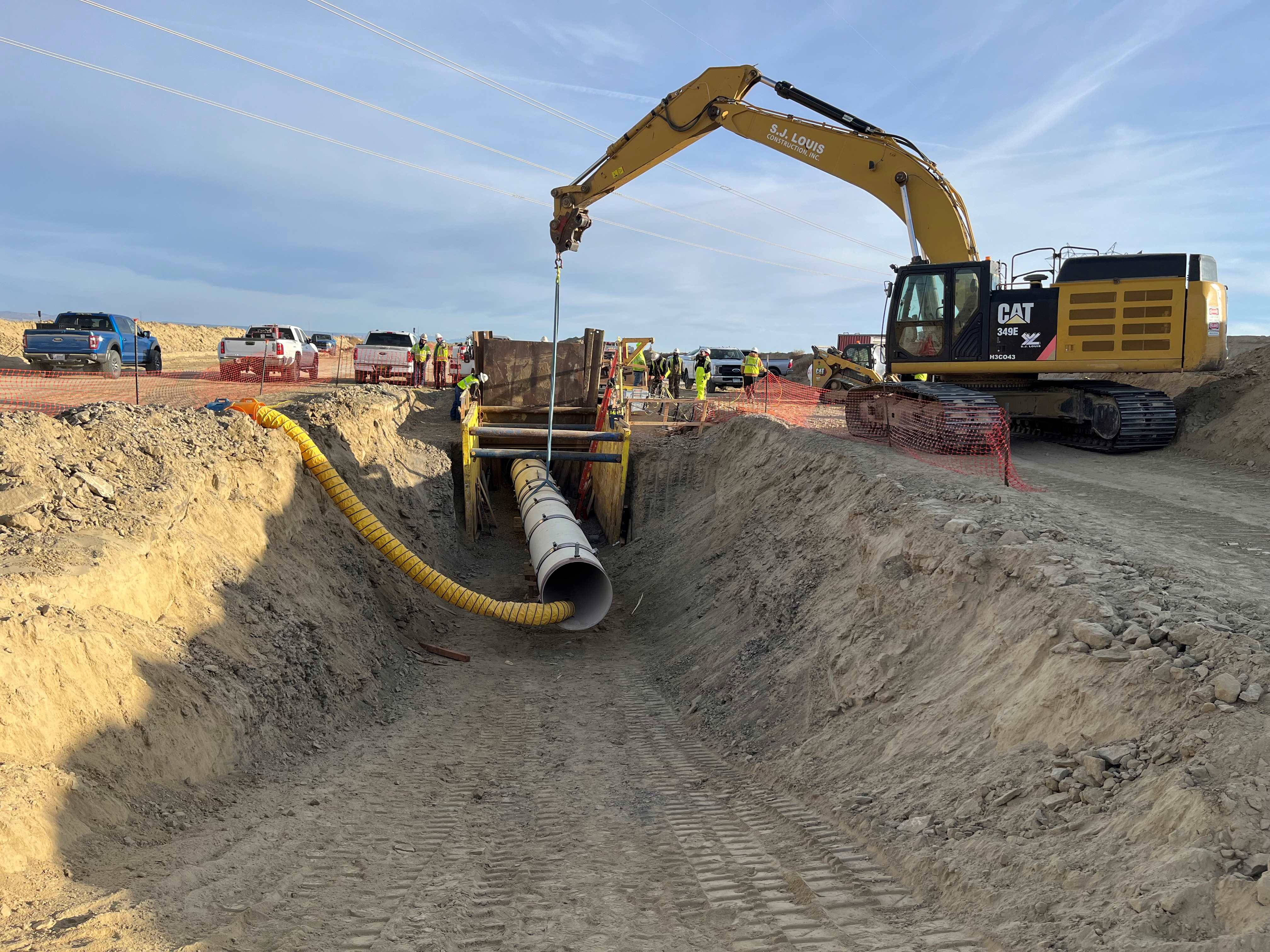
Click the link to read the article on the Reclamation website:
September 8, 2026
The Bureau of Reclamation announced an $81 million contract award to Carstensen Contracting, Inc. for the construction of the Block 2-3 pipeline for the Navajo-Gallup Water Supply Project in northwest New Mexico. This award now moves Reclamation one step closer to completing its largest project to deliver clean, reliable water to nearly 250,000 people on the Navajo Nation, proudly fulfilling this historic water rights settlement.
The Bureau of Reclamation is advancing construction of the Block 2-3 Pipeline, a critical component of the Navajo-Gallup Water Supply Project. This segment begins at the Frank Chee Willetto Reservoir east of Shiprock and extends south to the San Juan Lateral Water Treatment Plant.
“Awarding this contract is a defining moment for the Navajo-Gallup Water Supply Project,” said Reclamation’s Western Colorado Area Office Manager Bart Deming. “With the Block 2-3 pipeline construction underway, we are taking the final steps toward delivering reliable water to Navajo communities and regional partners. This achievement reflects years of dedication and collaboration and brings us closer to fulfilling our commitment to provide sustainable water for generations to come.”
The Block 2-3 Pipeline will convey raw water through buried transmission pipelines. After it is treated to drinking water standards, it will be further conveyed along the San Juan Lateral delivering long-term, reliable water supply to Navajo communities and regional partners.
With this award, all major components of the San Juan Lateral are either completed or under construction for future water conveyance along the mainline transmission system. The San Juan Lateral is more than 75% complete with initial water deliveries slated for late 2028 and final project completion by the end of 2029.
Major project work elements include:
- Installation of 42-inch and 48-inch buried water transmission pipe, forming the backbone of the Block 2-3 conveyance system.
- Construction and equipping the pipeline system with regulating tanks, crossings, structural supports, valves, erosion control, and cathodic protection to ensure safe, reliable operation and environmental stability.
- Integration of Supervisory Control and Data Acquisition (SCADA) systems and fiber‑optic cabling, enabling remote monitoring and automated control of pipeline operations.
This contract, which will be Carstensen Contracting’s first on the project, is funded through the Reclamation Water Settlement Fund authorized in Public Law 111-11.
The Navajo-Gallup Water Supply Project is the cornerstone of the Navajo Nation Water Rights Settlement in the San Juan River Basin in New Mexico and was authorized for construction by the Omnibus Public Land Management Act of 2009, known as Public Law 111-11. Construction began in 2012, and the completed project will include approximately 300 miles of pipeline, two water treatment plants, 19 pumping plants and multiple water storage tanks. The project helps address the needs of the Navajo Nation, where more than one in three people do not have indoor plumbing and must haul drinking water to their homes.
For more information, visit the NGWSP website.

Click the link to read the article on the Western Resource Advocates website (John Berggren):
August 31, 2026
- Communities across the West have been anxiously waiting for a plan to manage the Colorado River. The states that share the river have been unable to reach an agreement over how to manage it, forcing the federal government to move forward without one.
- The U.S. Bureau of Reclamation recently published a management framework for the next 10 years.
- This is not the long-term agreement many had hoped for, but it does leave room for collaborative solutions.
Communities across the West have been anxiously waiting for a plan to manage their water supply from the Colorado River. They watched as the states that share the river talked in circles behind closed doors. They attended conferences where state negotiators repeated the same tired arguments, did not present together, or were entirely absent.
Outside the conference rooms, conditions on the ground were deteriorating. The Colorado River Basin experienced its warmest winter on record. The meager snowpack in the mountains was sucked into parched soils, rivers dwindled, and the Basin’s two major reservoirs hit record lows.
And the situation continues to worsen.
While negotiators were struggling to find consensus, farmers were fallowing fields, raft guides were staring down an uncertain season, neighbors were reporting each other for overwatering, families were discovering that their favorite fishing spots had closed, and municipalities were on the hunt for alternative water supplies.
Three years ago, the U.S Bureau of Reclamation set out to work with the Basin states, Tribes, and stakeholders on a 20-year management plan for the Colorado River. But the states never reached a long-term agreement, forcing the federal government to move forward without one.
On Aug. 21, Reclamation published a framework for managing the river over the next 10 years. While it is not the long-term agreement many had hoped for, it does leave room for collaborative solutions.
What happens next will shape the river for generations.
What Is the Record of Decision?
A Decision-Making Framework
The record of decision lays out a 10-year framework for managing the river.
Under this framework, the Bureau of Reclamation will issue preliminary guidelines every two years for operating the river’s reservoirs and distributing shortages. Those guidelines will inform Reclamation’s annual plan for the river, which will be released every summer. Reclamation can adjust that plan each April depending on the winter’s snowpack and current reservoir levels. It is a tedious process, but one that allows the agency to modify operations as river conditions change.
State officials have raised concerns that the two-year framework will result in never-ending negotiations while making it difficult to plan ahead and finance solutions. These are valid concerns, but there is an off-ramp. If the states collaborate, they could replace the framework with a long-term deal that provides more certainty to their constituents and removes the need for prolonged negotiations.
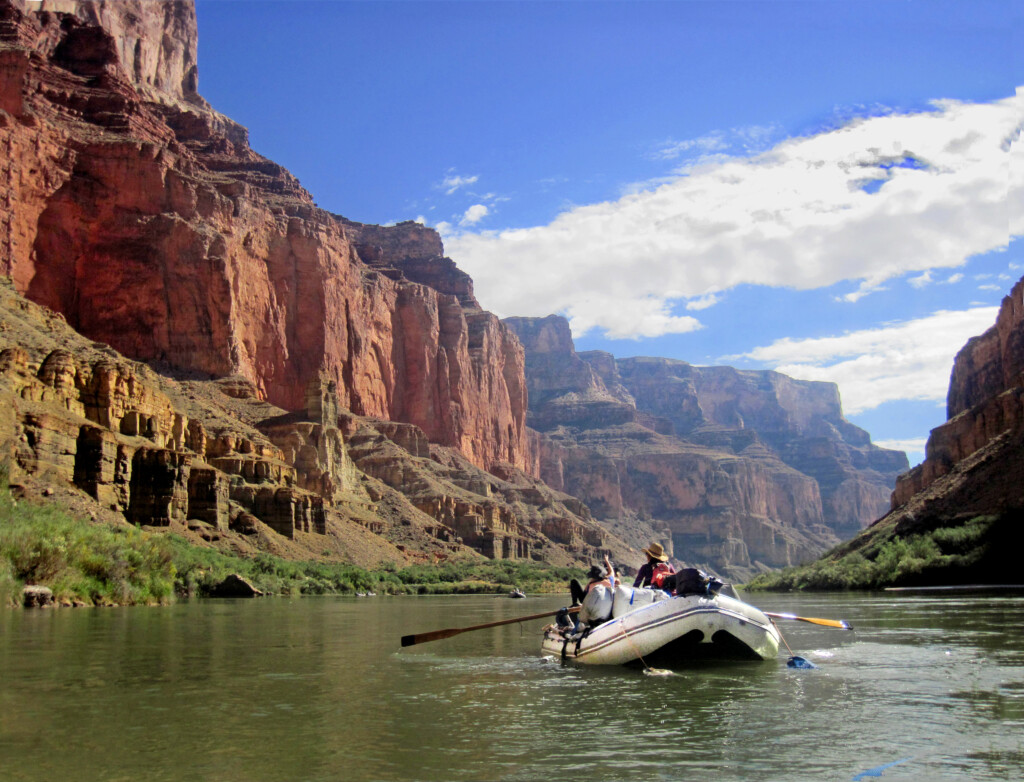
A Plan for Managing Water Shortages
In addition to the record of decision, Reclamation issued operating guidelines for 2027 and 2028. These guidelines outline Lake Powell and Lake Mead operations and include shortages the Lower Basin offered earlier this year. Under the guidelines, the Lower Basin will reduce its use of the Colorado River by 1.25 million acre-feet in both 2027 and 2028. It will also pursue 700,000 acre-feet in additional conservation by 2028.
The record of decision allows Reclamation to impose even deeper cuts on the Lower Basin — up to 3 million acre-feet per year — if Lake Mead starts to approach the minimum levels needed to produce hydropower and to avoid hitting deadpool.
Reclamation is not mandating cuts in the Upper Basin because its authority to do so is less clear. But that doesn’t mean conservation isn’t urgently needed in the Upper Basin. In the record of decision, Reclamation includes up to 200,000 acre-feet of voluntary conservation each year collectively by Colorado, New Mexico, Utah, and Wyoming.
While this conservation is considered voluntary, it is in the Upper Basin’s best interest to be part of the solution. Flows on the Colorado River have declined by over 30% since 2020. The river will continue to be on a knife’s edge unless everyone contributes.
By saving water now, the Upper Basin can help keep things from getting worse and reduce the need for emergency releases from upstream reservoirs to prop up Lake Powell. This can help rebuild storage and support the outdoor recreation economy in places like Flaming Gorge in Utah and Blue Mesa in Colorado.
Conservation in the Upper Basin can also help avoid expensive and risky legal battles over the river. The 1922 Colorado River Compact says that the Upper Basin will not cause the flow of the river to be depleted below a certain amount over a 10-year period. The Upper Basin argues that this volume is 75 million acre-feet. The Lower Basin says the amount includes water deliveries for Mexico and is set at 82.5 million acre-feet. We could hit the 82.5 trip wire as soon as this fall, potentially triggering litigation from the Lower Basin. Such a dispute would likely cost taxpayers millions of dollars, take years to resolve, and leave the river’s future in the hands of the U.S. Supreme Court. If the Lower Basin prevails, water users in the Upper Basin could see drastic cuts to their supply and little time to implement solutions or secure funding to ease the pain.
The four Upper Basin states are at various stages of developing programs to pay water users to decrease their consumption. WRA is advocating for long-term programs that prioritize projects that keep rivers healthy.

Is the Latest Plan Enough?
Reclamation’s models show that the reductions planned for the next two years will just barely allow the Basin to scrape by. In the worst-case scenario, the Basin could drain its accessible water savings in Lake Powell. The only water left would be what flows in the river, and that is nowhere near enough to meet current demands.
What’s Next?
Implementing Solutions or Handing the Reins to the Supreme Court
The Basin states have an important decision before them — implement the new guidelines and work toward a long-term deal or take their chances in court.
Nevada was the first to take the plunge. Three days after Reclamation released the record of decision, Nevada filed a lawsuit against the U.S. Department of the Interior and Bureau of Reclamation. The state claims that the plan and the potential cuts to Nevada’s water supply violate federal law and seeks to halt its implementation.
Nevada’s lawsuit underscores the need for a deal that all seven states can agree to, rather than a plan imposed by the federal government. There is still an opportunity to reach such an agreement — the Nevada case does not preclude the seven states from continuing to negotiate or from entering into agreements to stabilize the river.
The states must not let this one case spiral out of control. Litigation between all seven Basin states over the Colorado River Compact would make things much worse.
History shows that multistate water disputes can take at least a decade to be resolved and often have unintended consequences. Arizona v. California, a dispute over Colorado River allocations in the Lower Basin, began in 1952 and was not resolved until 1963. The court settled the disagreement over water allocations and ruled that the Secretary of the Interior has broad authority to act as watermaster in the Lower Basin — giving the federal government greater control over Lower Basin water deliveries. Texas v. New Mexico, a dispute over the Rio Grande, went on for 13 years before reaching a resolution last spring. And a dispute between Kansas and Colorado over the Arkansas River was on-again, off-again for more than a century. The court ruled that Colorado was overusing water and awarded both water and monetary damages to Kansas. And these cases all involved two states — not seven.
The Colorado River does not have decades. Researchers predict that it will only take one more dry winter to drain the Basin’s accessible water savings.
On top of lost time, state litigation over the 1922 Compact would cost millions of dollars — money that is better spent implementing conservation programs, restoring watersheds, and increasing water efficiency. And litigation would leave decisions with the Supreme Court, not the communities that depend on the river and know it best.
Nevada’s lawsuit against the federal government does not change the fact that we have a river to manage. New guidelines are still needed by Oct. 1. The decision-making process must continue and the Basin states must act now to prevent a seven-state legal brawl.
In the coming months WRA will be advocating for:
- Protections for the river: Protecting river health and our communities are two sides of the same coin. The day-to-day operations of the river’s reservoirs affect everything from fish habitat to hydropower production to local water supplies and outdoor recreation. Operating guidelines must consider the full range of impacts and incorporate policies that maximize benefits for both our communities and the environment.
- Transparent decision making: The record of decision includes a plan for issuing new operating guidelines every two years. Those guidelines will affect 35 million people and must not be developed behind closed doors. A clear public process is needed to incorporate input from the Basin states, Tribes, Mexico, water users, communities, scientists, and conservation organizations.
- Sustained federal funding: Federal funding will be critical to implementing the changes that are needed to secure the West’s future, including restoring watershed health and incentivizing water use reductions. The river that supplies water to 1 in 10 Americans is worthy of federal investment.
- Equitable water access and Tribal inclusion: The 30 federally recognized Tribes in the Colorado River Basin have long been excluded from key decisions and denied their fair share of the river’s water. The new guidelines and programs must uphold Tribal water rights and provide clear pathways for Tribal collaboration.
- State collaboration: The states have been talking past each other for the last three years and it’s resulted in a federal management plan that few decision makers are happy with, and one state has already filed a lawsuit on. It is time to try a new approach before things get worse. The states must enlist the help of a professional mediator who can facilitate more productive negotiations. And the states must finalize and sign implementation plans — like the Lower Basin’s proposal to reduce its water use by 1.25 million-acre feet in 2027 and 2028 — as soon as possible.
- Basinwide collaboration: Many of the river’s most successful programs — including those that restored hundreds of miles of fish habitat and put tens of millions of dollars toward water conservation — were the result of collaborations between states, federal agencies, Tribal nations, water users, conservation organizations, and others. The challenges the river faces are growing. We must accelerate our efforts, build new partnerships, launch new programs, increase investment, and expand on successful initiatives.
The record of decision has set the stage, now it is time for the river’s next act.
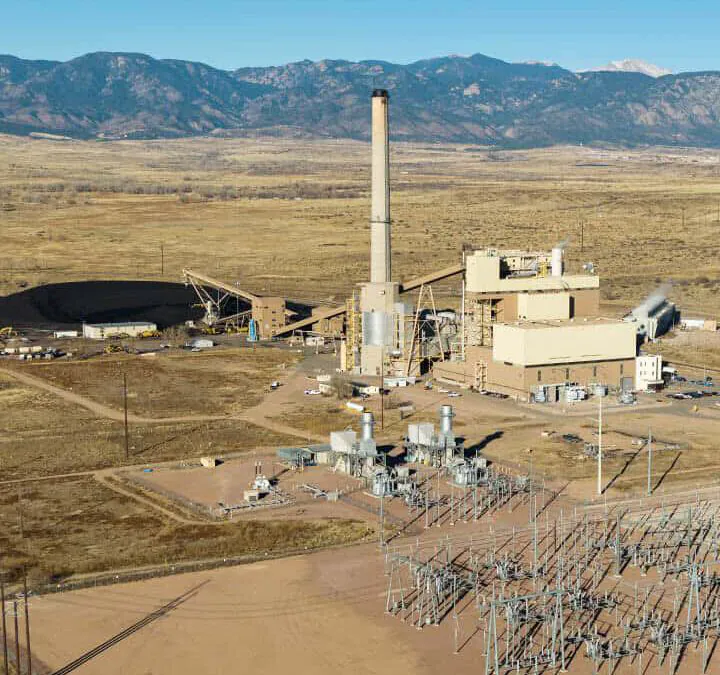
Click the link to read the article on the Big Pivots website (Allen Best):
September 8, 2026
U.S. Energy Secretary Chris Wright was at a coal plant near Colorado Springs last Friday to talk about the virtues of coal. It’s what keeps the lights on, you know, and it’s not expensive, not like renewables.
To make those claims, as he did in not so many words, he had to stubbornly turn a blind eye to another coal plant not more than 30 miles away. Comanche 3, the state’s youngest and largest coal plant, went down on Aug. 12, 2025, and hasn’t produced electricity since then.
Wright is the front man for President Donald Trump’s alliance with fossil fuel companies. It would seem to be a comfortable fit for Wright. Until he joined Trump’s team, Wright was CEO of Liberty, an oil and gas field services company based in Denver that he founded. While there, Wright consistently argued that while human-caused climate change was real, it was a distant threat. Far more important, he said, was to elevate the world’s living standard.
After he joined Trump’s cabinet, Wright went about implementing Trump’s order that fossil fuel plants should not be retired. First in 2025 was a coal plant in Michigan. On Dec. 30, he issued another order, this one for Craig No. 1. The coal-burning unit began production in 1980 and was scheduled to formally be retired on New Year’s Eve 2025.
Wright’s order cited several reasons that added up to an emergency. Collectively they fell under the heading of worries about resource adequacy in the regional grid.
Tri-State Generation and Transmission, the operator and part owner, said it didn’t need the electricity. Ditto for another part owner, Fort Collins-based Platte River Power Authority. The plant has three other part owners, including Xcel Energy.
As for the emergency, how severe was it? Not so much. Sources tell Big Pivots that the plant has been operated about three weeks since January, most of that time during April. That was just after Southwest Power Pool launched its electricity-sharing regional market, the West Balancing Authority Area.
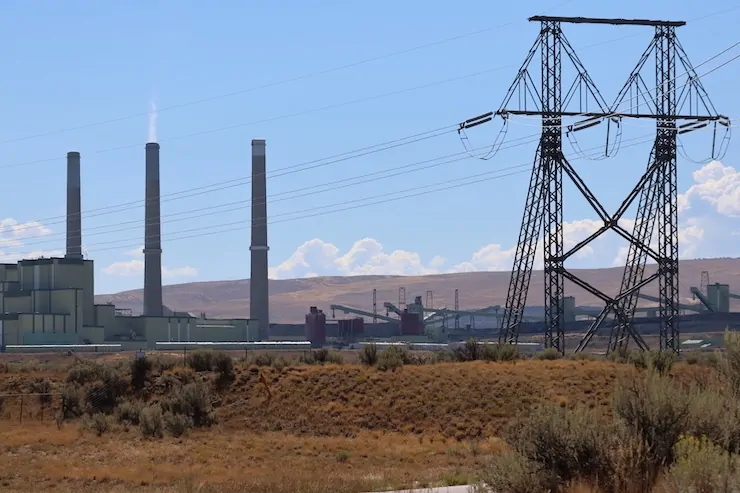
Resumed electrical production Craig No. 1 has been in response to SPP’s level 1 resource advisories, which do not suggest imminent threat to reliability.
Since that order from Wright last December, he has reissued the three-month emergency orders twice more, again in late March and late June.
The irony of Wright’s order for Craig last December was immediately noted by the team of Gov. Jared Polis. The 427-megawatt coal plant ordered to be available for the emergency had broken down about 10 days before.
Of course coal plants keep the lights on! Except when they don’t!
As for Comanche 3, the giant coal plant at Pueblo, it has literally been down for 25% of the time since operations began in July 2010. “It has been reliably unreliable,” says Danny Katz, the executive director of the Colorado Public Interest Research Group. CoPIRG and other groups are arguing that Xcel, the company, and not its customers should be saddled with the repair costs of Comanche 3 or the replacement costs for purchasing power. Those costs also included bringing an older coal unit, Comanche 2, out of retirement.
The Nixon plant that Wright toured along with two members of Congress from Colorado has no blatant problems comparable to those of Comanche 3. It was to have been closed in 2029, but Colorado legislators this past session agreed to give Colorado Springs Utilities, the owner, a pass. It is now scheduled to be closed by 2032. That would make it, according to current schedules, the last in Colorado.
So what exactly is the fuss about?
In statements issued after their tour, Wright and the two congressmen he had in tow — Rep. Jeff Crank and Rep. Gabe Evans — emphasized the reliability of coal and the cost of renewable energy.
“Coal has powered American prosperity for generations and continues to provide the reliable, around-the-clock electricity our grid needs,” said Wright in a statement. “The Trump administration is committed to adding reliable power to the grid, not prematurely shutting down generation that is already keeping the lights on.”
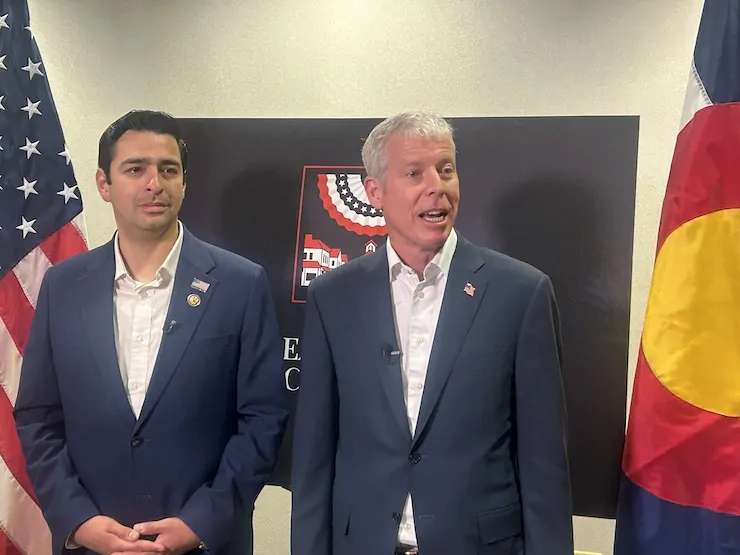
Evans, a former police officer in Arvada, calls Fort Lupton home. Early in his first term in Congress, he showed up at solar farms to get his photo taken. In at least three appearances with Wright so far this year, it has become evident that Evans has learned to talk the fossil fuels language more purely.
“Denver Democrats spent years attacking reliable coal generation, only to run headfirst into reality: you cannot shut down dependable baseload power without something ready to replace it,” said Evans in the statement issued after the tour.
“Keeping Ray Nixon online longer will protect grid reliability and save ratepayers hundreds of millions of dollars. With electricity demand skyrocketing, Colorado needs more safe, affordable, reliable energy – not political mandates that take power off the grid and leave families paying the price.”
As for Crank, he played the party line in the Colorado Springs version. “Colorado’s burdensome energy mandates continue to cost our region, not only with higher utility bills but they also threaten our national security assets,” he said.
It’s all political theater, but exactly to what purpose?
The harder question is why Colorado Springs needed to keep Ray Nixon operating longer than planned. And also, whether keeping this coal plant operating is better than building a new gas plant, as Wright told reporters, according to a report in the Colorado Springs Gazette. And a new wild card of the last two years is what exactly data centers will need — and under what terms.
As for utility costs, they are indeed rising. But why? That’s a complicated story. What can be said is that renewable energy comes in cheapest, but transmission is a pickle, and we do have supply chain issues.
What also must be said is that Holy Cross Energy, the Glenwood Springs-based electrical cooperative, has consistently had among the state’s lowest electrical rates even as it stretches to decarbonize. Through July, it was at 87% renewable energy for the year.
Granted, it’s easier to pivot when you’re a smaller dancer. Holy Cross has 58,000 meters compared to the 264,000 of Colorado Springs Utilities or the 1.6 meters of Xcel Energy in Colorado. And in an ironic footnote, Holy Cross actually has an 8% ownership interest in Comanche 3.
Whether Wright’s emergency orders for Craig No. 1 were legal are yet to be resolved. Environmental groups and others argue that the orders issued by Wright go beyond what the federal law passed by Congress in 1935 (and amended twice since then) allowed. A federal judge heard the case involving the Michigan plant in May but has not issued a ruling. That ruling, whatever it is, almost certainly will have bearing on the orders for Craig.
To be clear, this pivot from fossil fuels to non-emitting sources of electricity is not an easy one. It might yet get expensive. Also be clear that the story told at the Ray Nixon plant was political theater, nothing more.
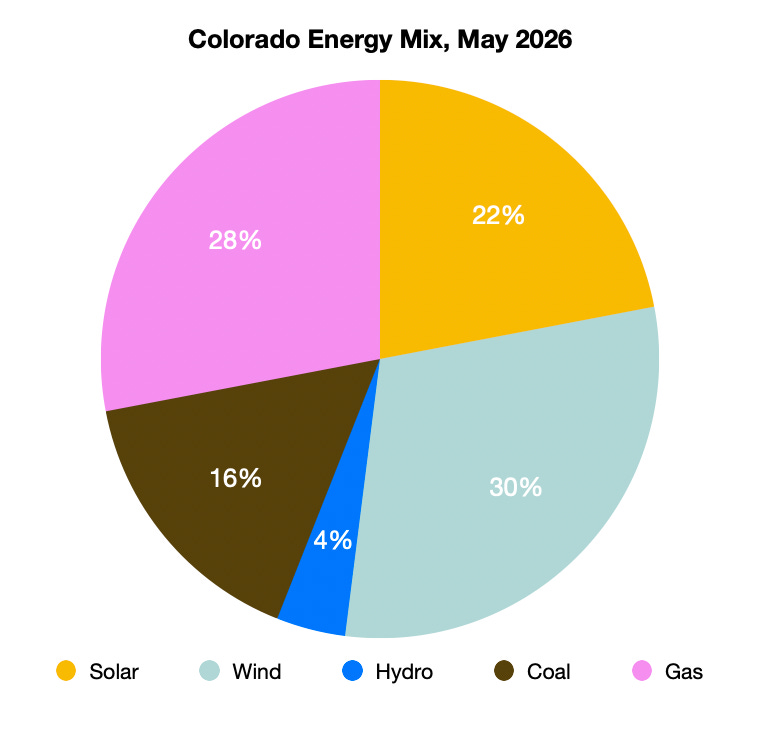
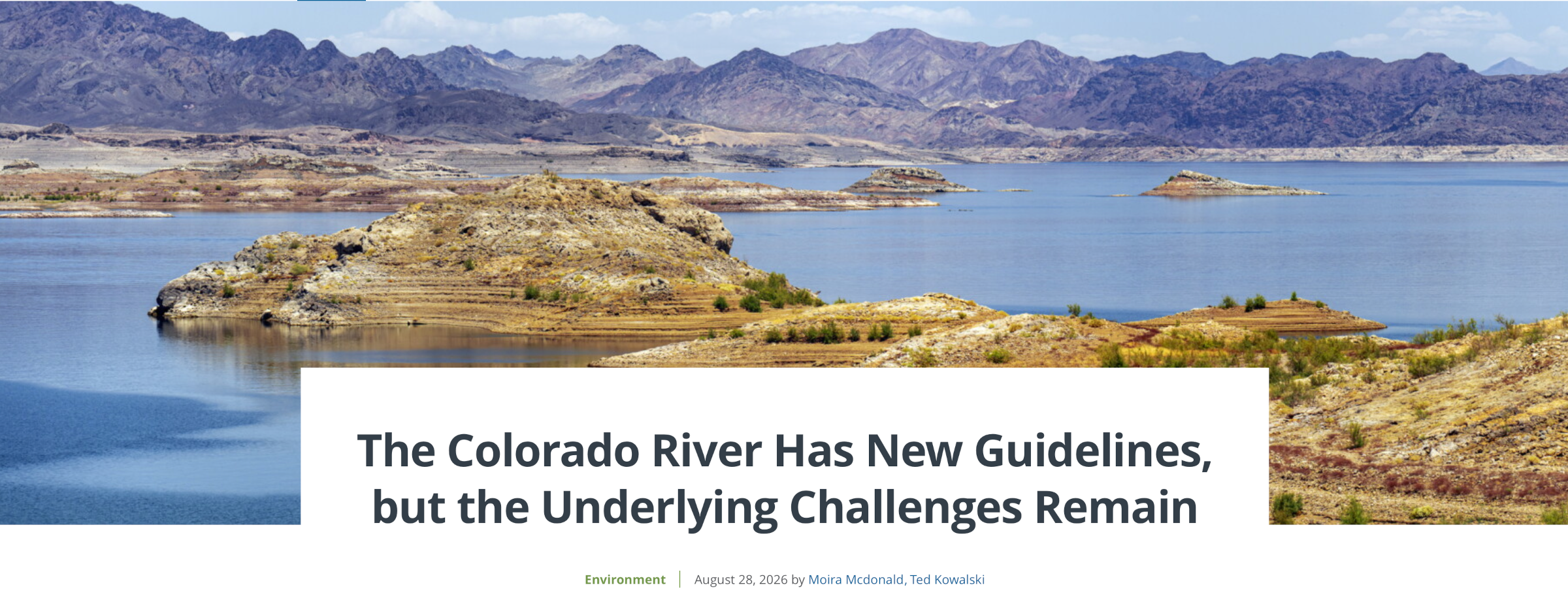
Click the link to read the article on the Walton Family Foundation website ( Moira Mcdonald and Ted Kowalski):
August 28, 2026
Tens of millions of people across the West depend on the Colorado River for drinking water, food, power and their livelihoods. But years of drought, rising temperatures and declining reservoirs have put that lifeline under extraordinary strain. The newly released Record of Decision and federal Operating Guidelines for the river provide a framework for operations, but they cannot resolve the region’s underlying challenges on their own. The work that happens next will determine the future of the river and the communities that rely on it.
2026 marks one of the worst water years on record for the Colorado River Basin and throughout the American West, as river flows dwindle and megafires consume landscape after landscape. Water in Lake Mead, the largest reservoir in the U.S., has dropped to its lowest level since it was filled more than 90 years ago. Long-term planning and investment is critical to stabilize the river while protecting communities from increasingly severe fire, floods and drought.
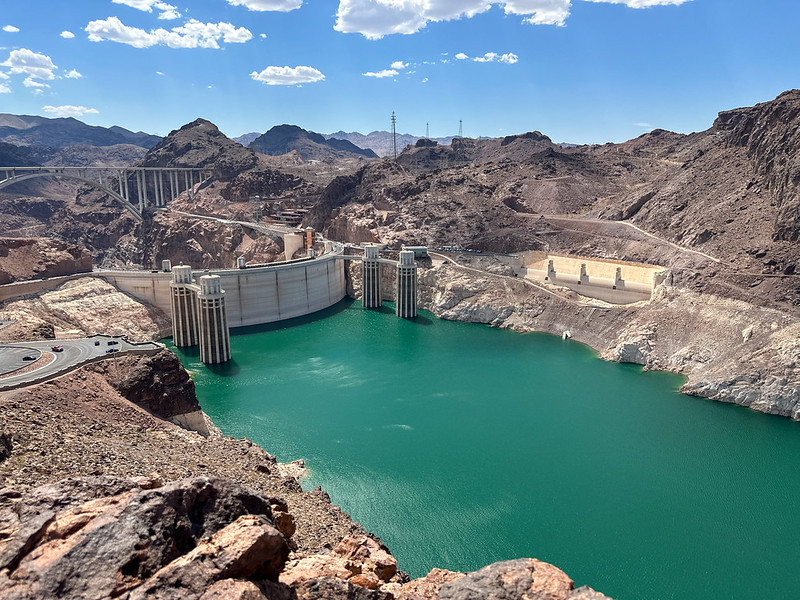
The release of the guidelines is a milestone, not the finish line. A document can’t ensure safe water supplies or combat the impacts of severe drought and wildfires. Significant federal, state and local funding needs to be directed towards strategies that make the health of rivers, forests and wetlands a priority. Without it, the Basin will remain at risk of chronic shortages, food supply disruption, energy grid vulnerability and rising economic instability that breed disruption and conflict for the entire region.
It is critical that we take this opportunity to invest in work that focuses on ensuring healthy watersheds, sustainable water use and collaboration between Colorado River Basin states and Tribal Nations.
Nature-based solutions—including river and forest management and wetland restoration—are a crucial part of the Basin’s infrastructure. They enable dependable water supplies, reduce threats from wildfires and flooding, sustain fish and wildlife and support local communities and economies. With so much attention focused on water allocations, reservoir levels and operational decisions, the role of these natural systems cannot get lost in the mix.
Fortunately there are projects throughout the Colorado River Basin that offer a blueprint for how to work with the power of nature to create a more sustainable path forward.
Projects designed to better manage forests and restore wetlands can improve water quality and create natural firebreaks. Regenerative agriculture practices like growing crops that use less water, and limiting the disruption of soil, can help create healthier farmland that better absorbs and retains water so farmers can use less. These approaches are an important part of a broader portfolio of tools that help communities conserve water, reduce risk and strengthen watersheds.
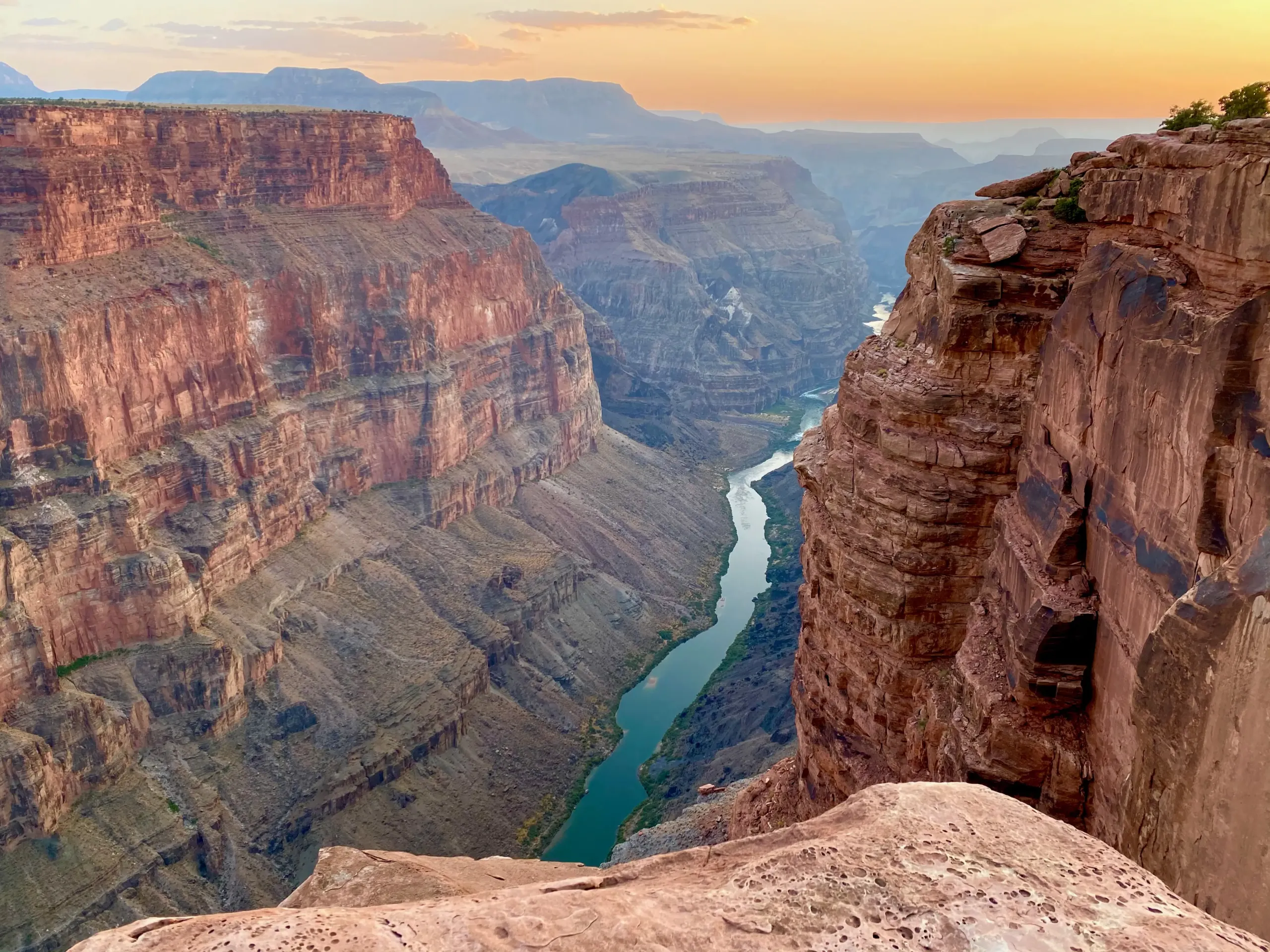
Transparency and collaboration between the federal government, Basin state leaders, Tribal Nations and Mexico is essential. We know that those closest to the problem are closest to the solution and that we will be more effective when we draw on the collective expertise of everyone who relies on the river. Basin states have not yet been able to negotiate a long-term management plan but that cannot stand in the way of continued work to create a more reliable and resilient Colorado River system.
Philanthropy also has a vital role to play in the future of the Colorado River. We are continuing to collaborate with our grantees to advance innovative, nature-based solutions for the region. Philanthropic investment can help test and scale approaches, fill gaps, build partnerships and demonstrate what is possible in complement to the much-needed federal, state, Tribal and local investments. Together we can help make sure the river can continue to provide for the next generation.
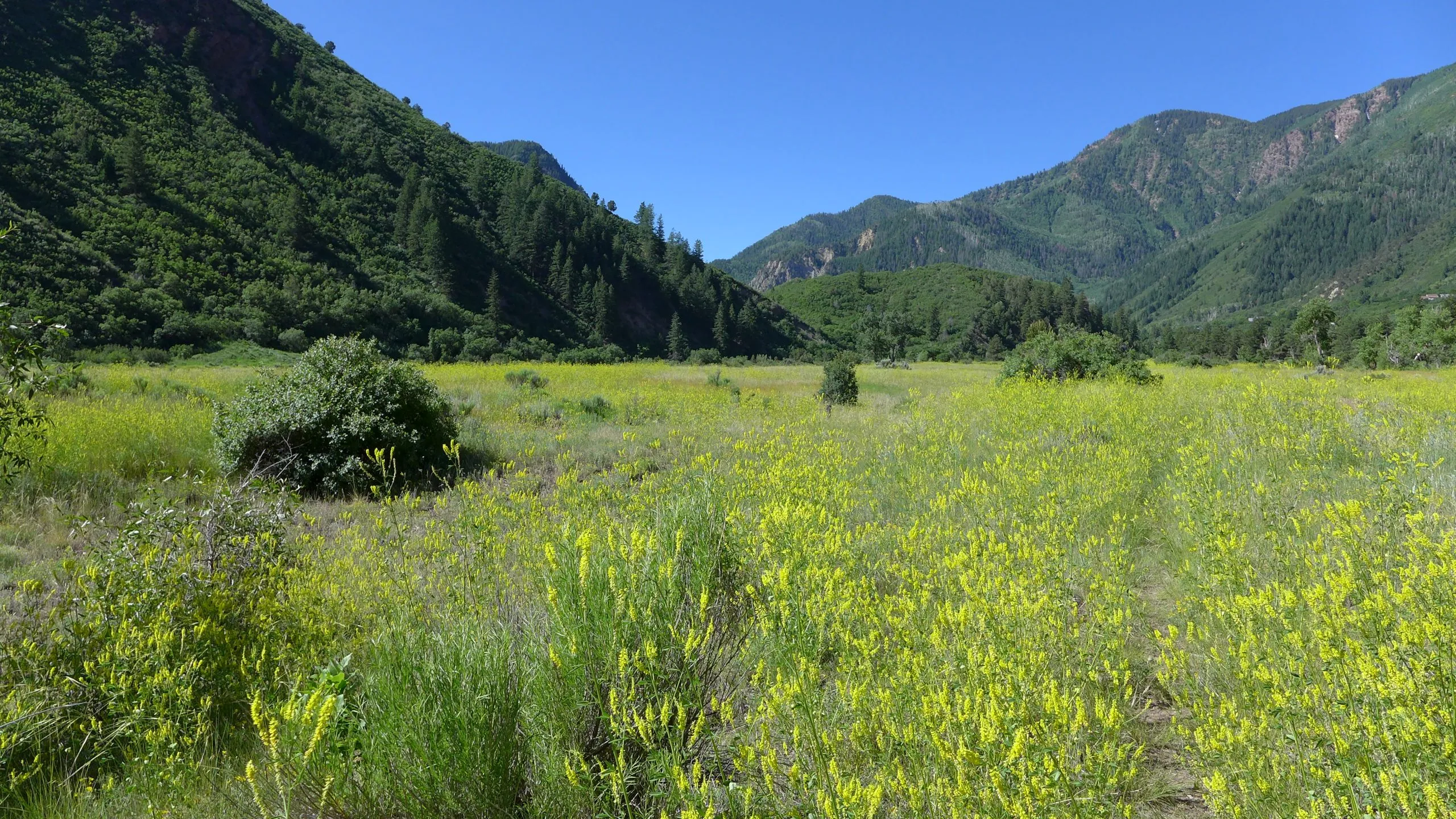
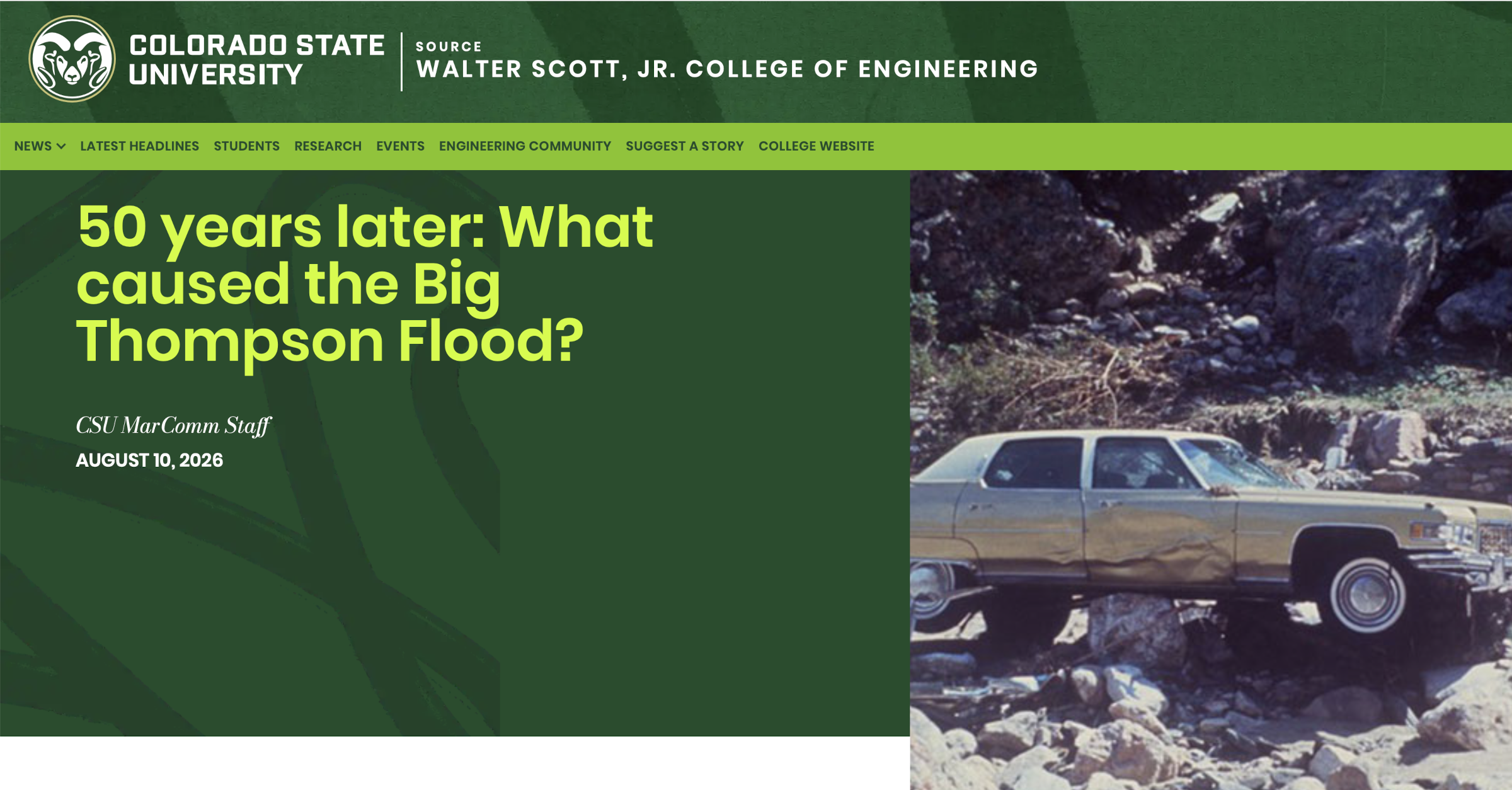
Click the link to read the article on the Colorado State University Source website (Allie Mazurek):
August 10, 2026
Editor’s note: Allie Mazurek, engagement climatologist and researcher at the Colorado Climate Center, wrote this piece following a July 31 symposium in Estes Park convened by the Colorado Climate Center to commemorate the 50th anniversary of the Big Thompson Flood. The event brought together experts, including several from CSU, to share flood-related research and practices with water managers, government officials, academics, flood survivors and others. Participants reflected on the progress made since the Big Thompson Flood while emphasizing the work that remains to strengthen preparedness and resilience for future flooding.
Flash floods are one of several extreme weather-related phenomena that Colorado faces. And at the end of July, we reflected on the 50th anniversary of one of the deadliest, most devastating floods in our state’s history: the Big Thompson Flood of July 31, 1976.
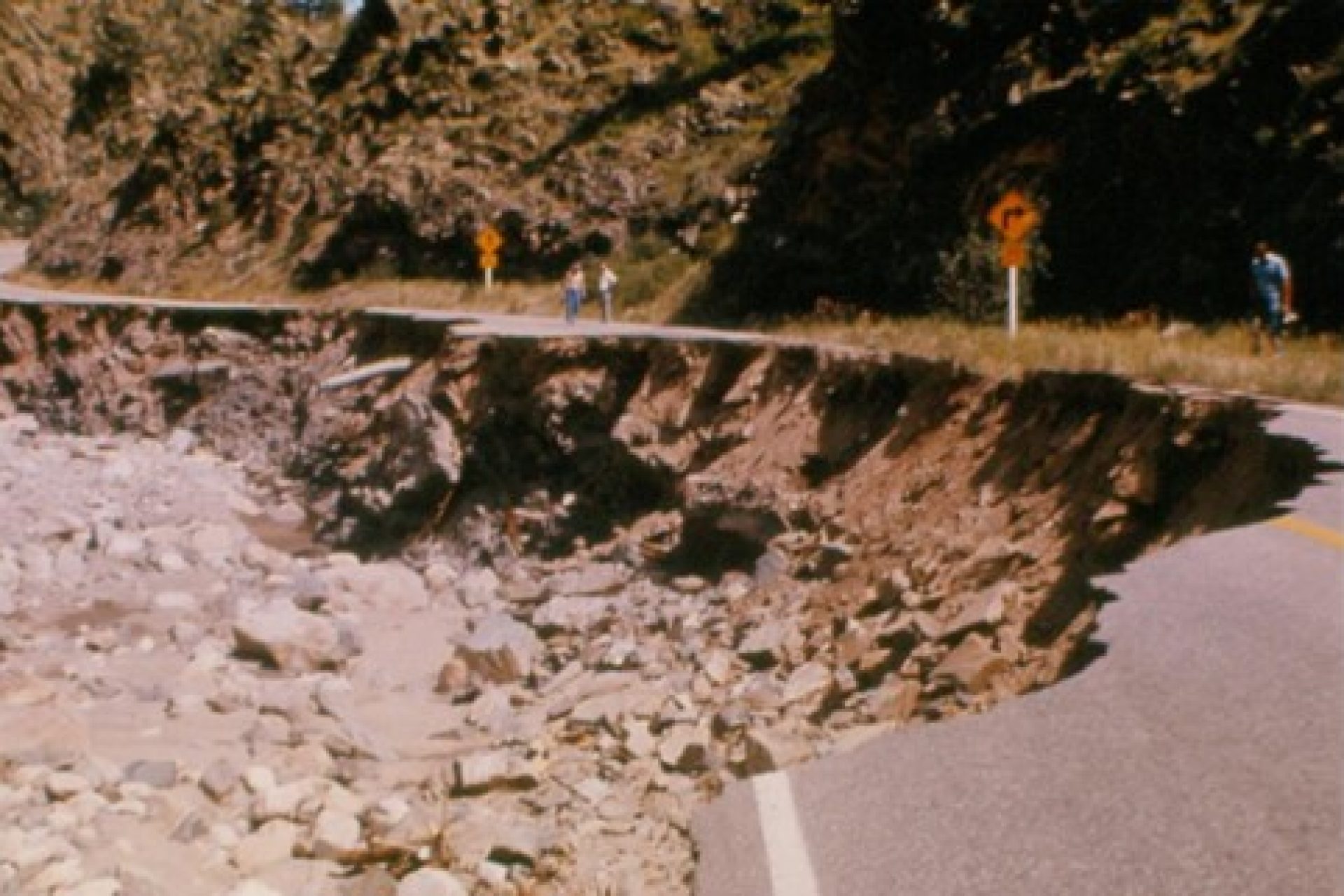
July 31, 1976: It was a Saturday, the eve of Colorado’s 100th anniversary of statehood. Hundreds of people, including many from out of state, were spending the holiday weekend recreating in the Big Thompson Canyon: a winding topographic feature that provides a scenic thoroughfare between Loveland and Estes Park.
The weather was reported to have been partly cloudy that afternoon, but conditions began to shift in the early evening. Around 5:30 p.m. local time, a large group of nearly stationary thunderstorms began forming just east of Estes Park. The storms grew quickly and ultimately produced roughly a foot of rainfall in the span of the next several hours: about five times the amount of precipitation that the area typically receives in an entire July.
Most of the precipitation fell during an even shorter time frame, a little over an hour. That sudden surge of water triggered a fast-moving flash flood along the Big Thompson River and steep adjoining canyon. The river rose upward of 20 feet in some locations and peak flow rate of more than 31,000 cubic feet per second was over four times as fast as the river’s previous maximum.
The devastation was tremendous: Hundreds of homes and businesses were destroyed, sections of Highway 34 were washed away and, tragically, 144 people lost their lives. There has not been a deadlier flash flood in the U.S. since that event, and it remains one of the deadliest weather disasters in Colorado’s history.
The ingredients
One way that atmospheric scientists examine flash flood potential is using an “ingredients-based” approach, which involves examining the characteristics of several atmospheric variables. For flash flood-producing rainfall, the key factors we consider are: rain rate, precipitation duration and surface conditions.
The Big Thompson Flood had numerous ingredients come together to support thunderstorms with very heavy rain rates. First, a cold front pushed westward across Colorado’s eastern plains, which brought moisture-rich air into the Front Range Foothills. The cold front also provided a “cap” atmosphere: bottling up very unstable air in the atmosphere above.
As the front continued to move west, air was forced upwards as the elevation of the terrain continued to increase. This upward motion helped the atmosphere to destabilize, eroding the cap and unleashing plenty of instability for thunderstorms to grow. This localized lift combined with larger-scale upward motion forced the moist, unstable air to cool and condense into thunderstorms.

As the ingredients were in place for very high rainfall rates, the atmosphere also had very weak “steering currents,” or the layer of winds in the atmosphere that move storm systems. Those weak winds meant that the thunderstorms forming at the mouth of the canyon were nearly stationary, allowing the very high precipitation rates to persist over the same area.
This extreme-rain-producing, slow moving thunderstorm set up near the mouth of the Big Thompson Canyon, a high-risk area for flooding due to its pervasive steep, rocky terrain and susceptibility to rapid runoff. These environmental ingredients coupled with social vulnerability factors all combined to create a disaster that evening.

The future
The 2013 Front Range Flood was a reminder that the Big Thompson Canyon continues to be a flash flood-prone area. And throughout Colorado, flash floods have always been and will always be a part of our climate, though climate change could potentially make them worse.
Research suggests that in a future, warmer climate, flash flood-producing rainfall will likely become more extreme. The reason behind this expected trend is that as temperatures warm, water is more eager to exist as vapor rather than liquid — allowing storms to tap into more moisture. Wildfire burn scars, which enhance flash flood risk by making soils repellent to water and cause debris flows, are expected to have an even more profound effect on flash flooding. Climate change is expected to increase wildfire risk in Colorado, leading to more widespread burn scar areas (and thus greater flash flood potential).
CSU research has helped contribute to the knowledge on the Big Thompson event and continues to advance research on heavy precipitation and flooding. The Colorado Climate Center, located in the Department of Atmospheric Science at CSU, serves as a conduit for conducting and disseminating such research to stakeholders and the public.

Click the link to read the article on the Colorado Climate Center website (Allie Mazurek):
August 13, 2026
We’re now nearly a couple weeks past the 50th Anniversary of the Big Thompson Flood, one of the deadliest weather-related disasters in our state’s history. There were several commemorative events on July 31st that stretched from Loveland to Estes Park, including our symposium that we hosted. We heard great feedback from several of the ~100 folks who attended, and we hope to do more public events like these in the future. If you were able to make it, thank you for joining us!
We thought we’d use our blog as a medium to highlight some of the content that was covered during our event. If you’re interested in learning even more, we published an article in CSU Source, summarizing the key atmospheric ingredients that triggered the flood that day. And lastly, we’d like to highlight that the Loveland Museum has an exhibit for the flood that will be showing through the end of November. (Several folks from our team are planning to check it out)!
And while we’re on the subject of flooding, we’ll go ahead and remind you that this time of year is peak flash flood season in Colorado. As precipitation looms in the forecast, check the weather before you recreate, never drive through flooded roadways, and have ways to receive flash flood warnings.

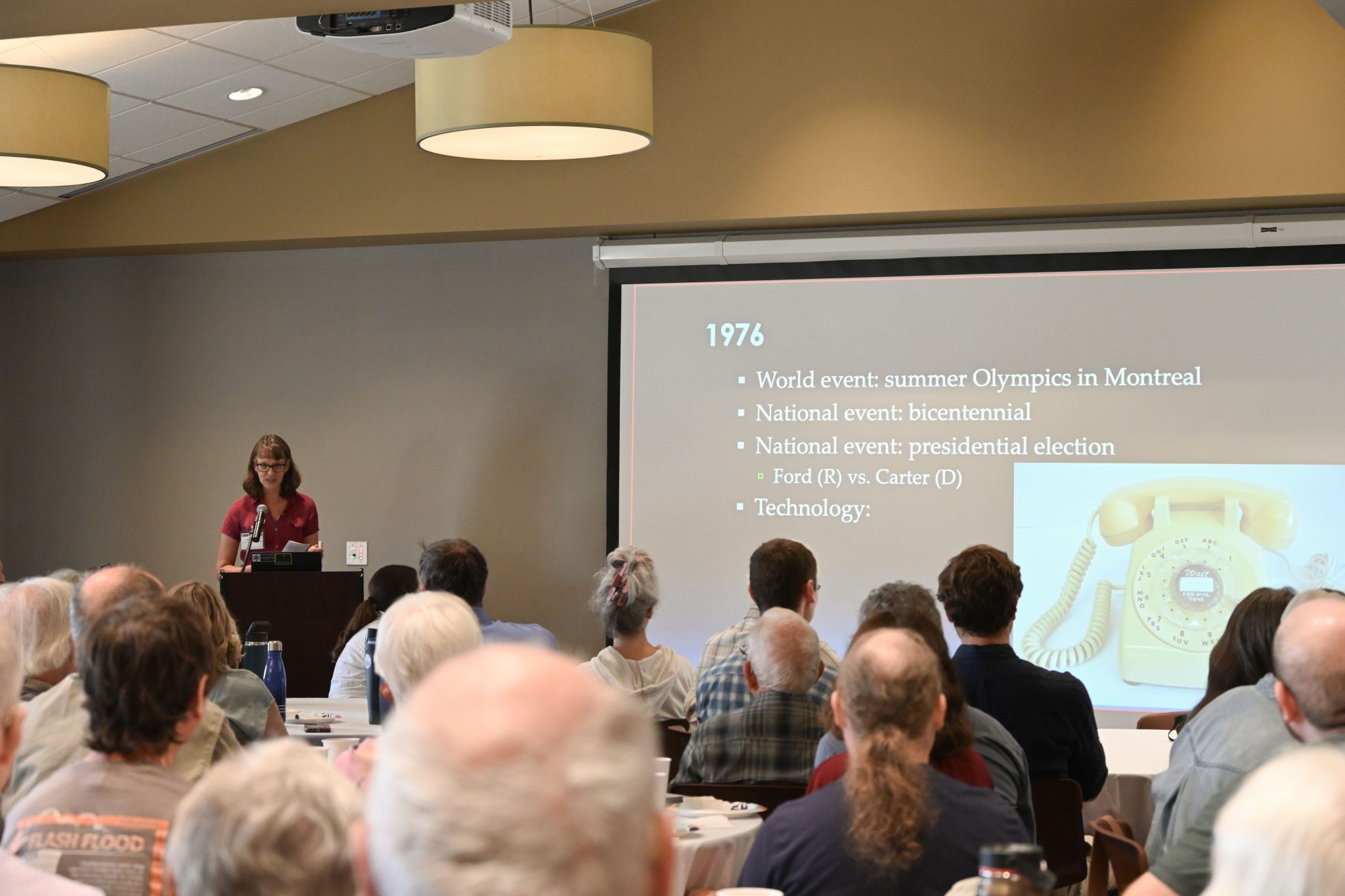
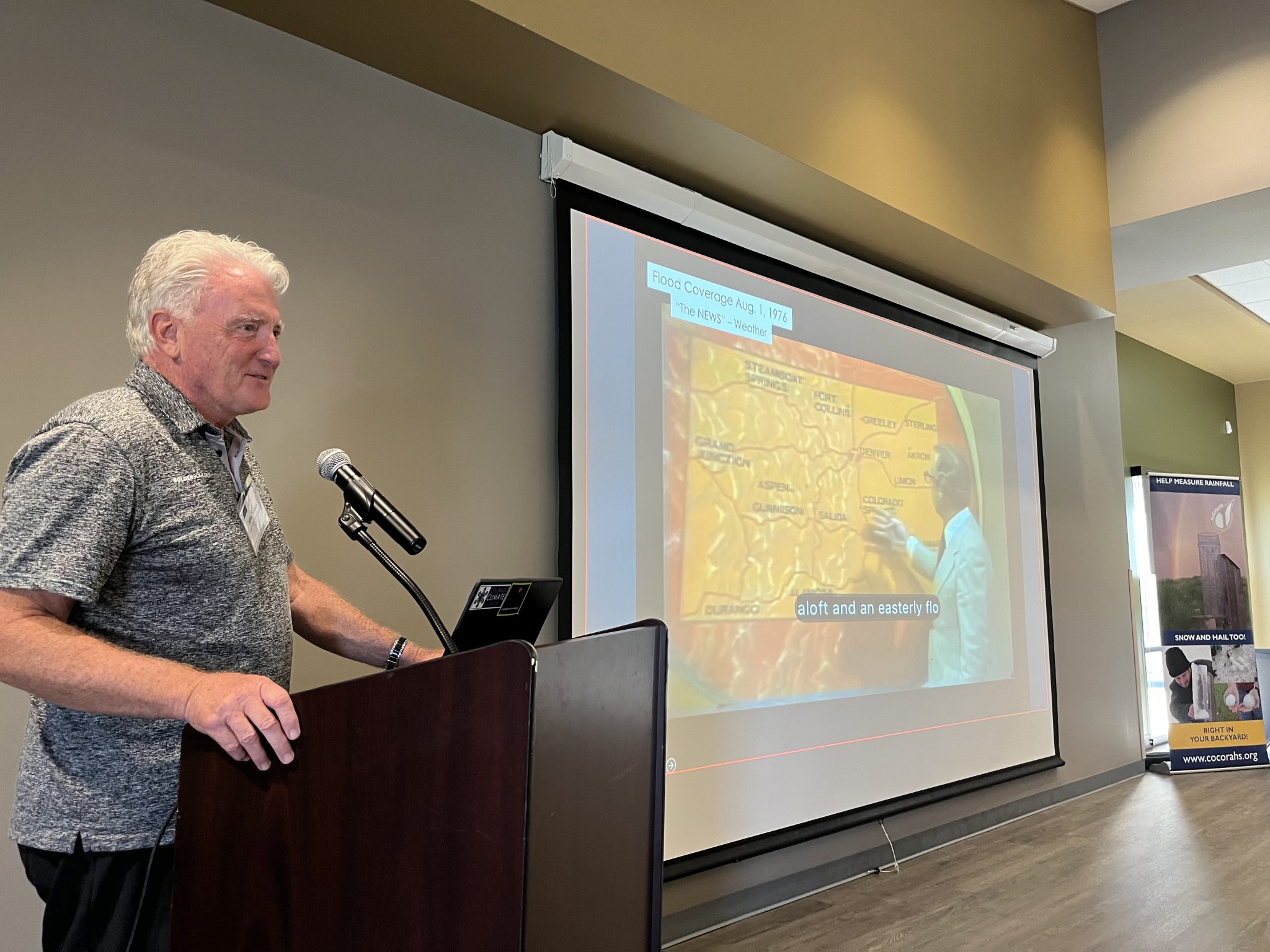
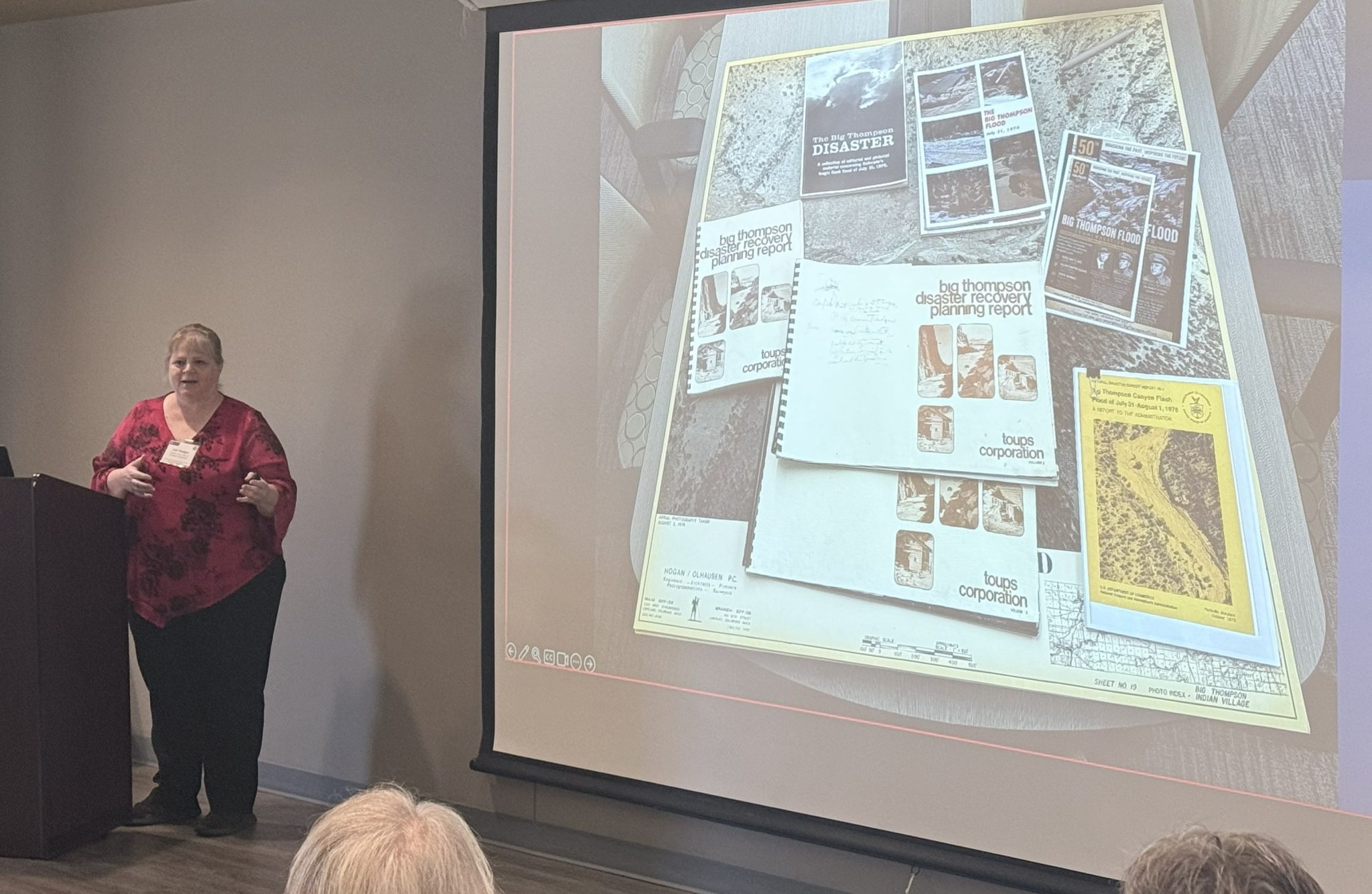


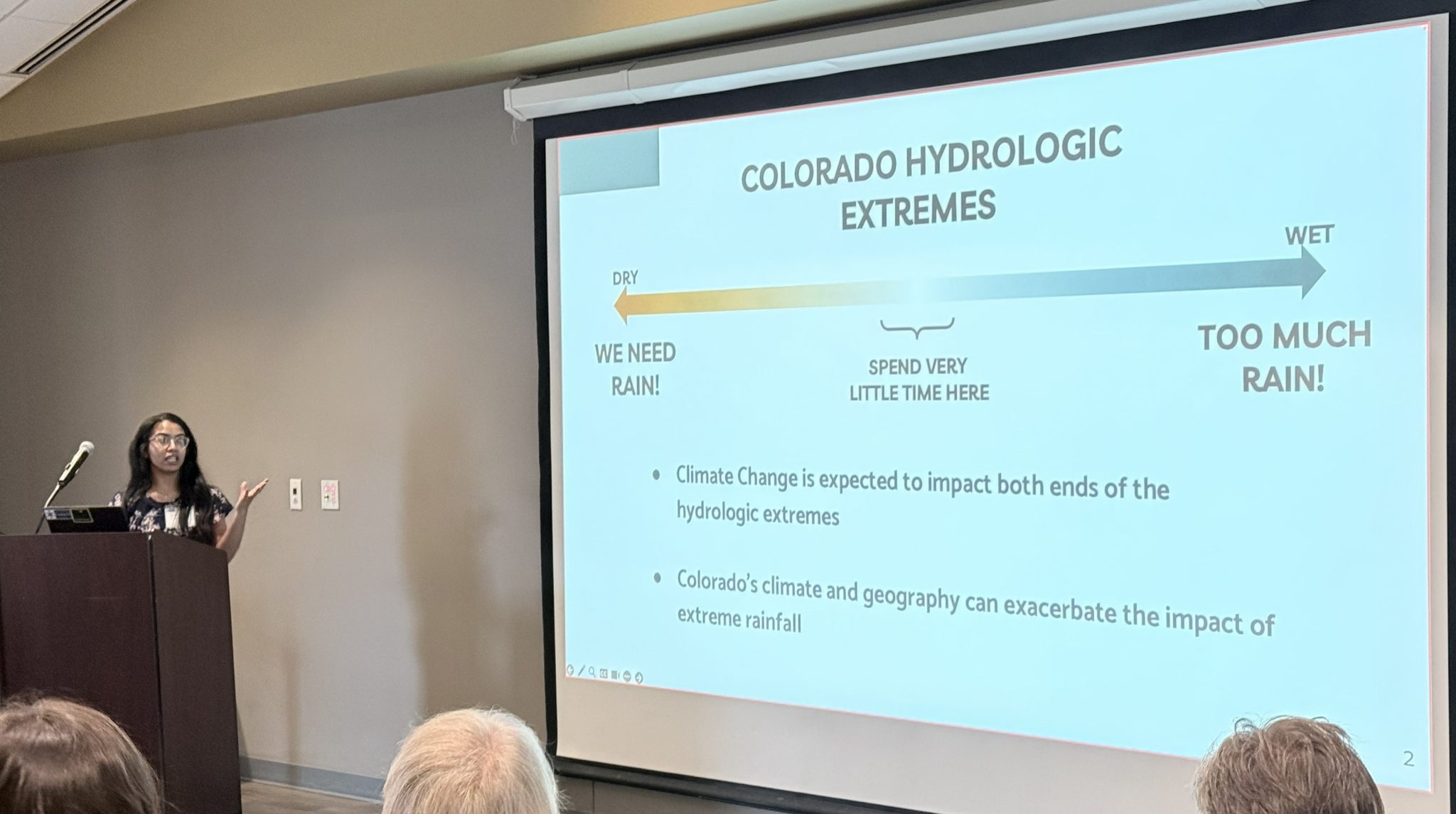
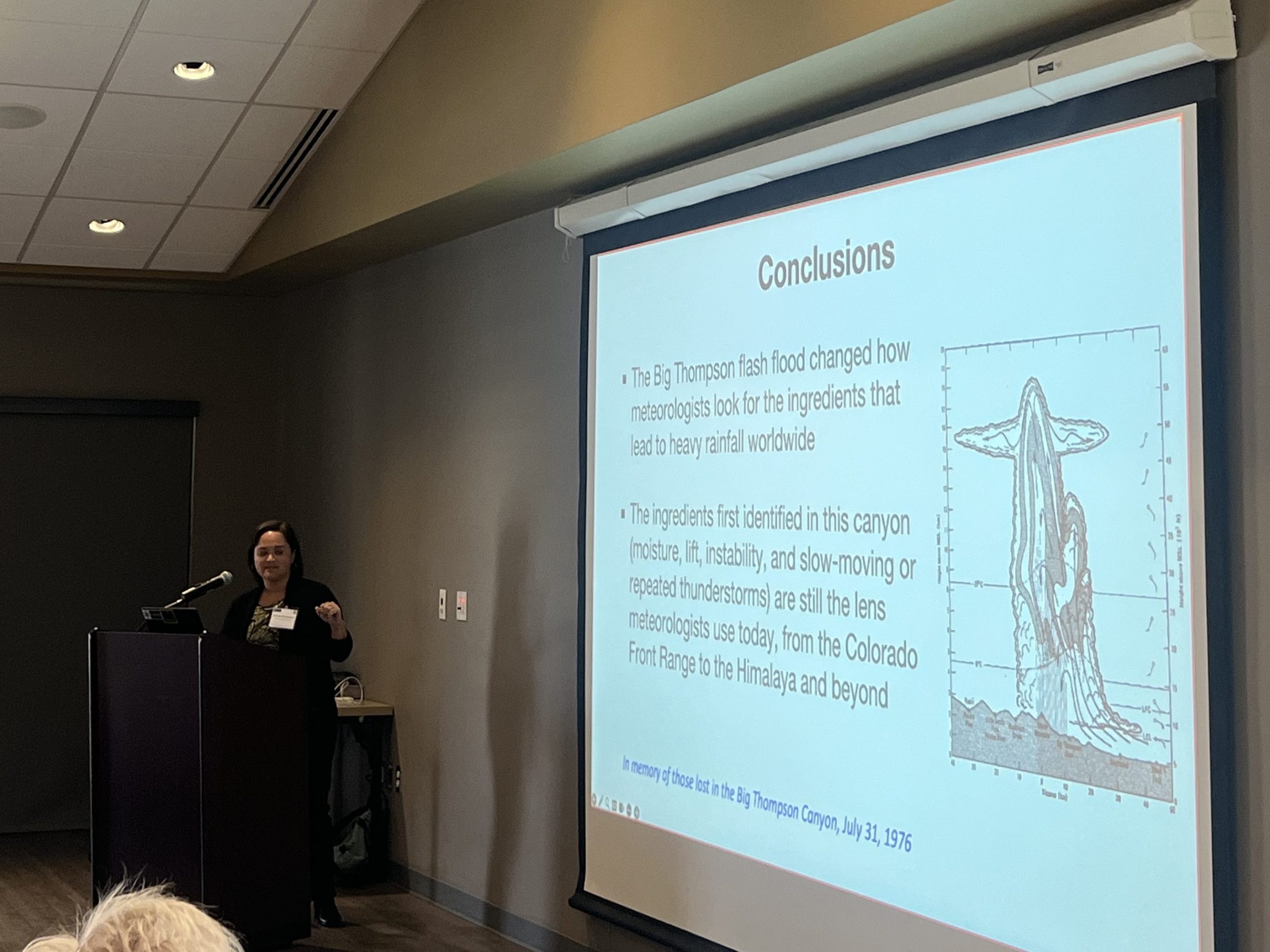


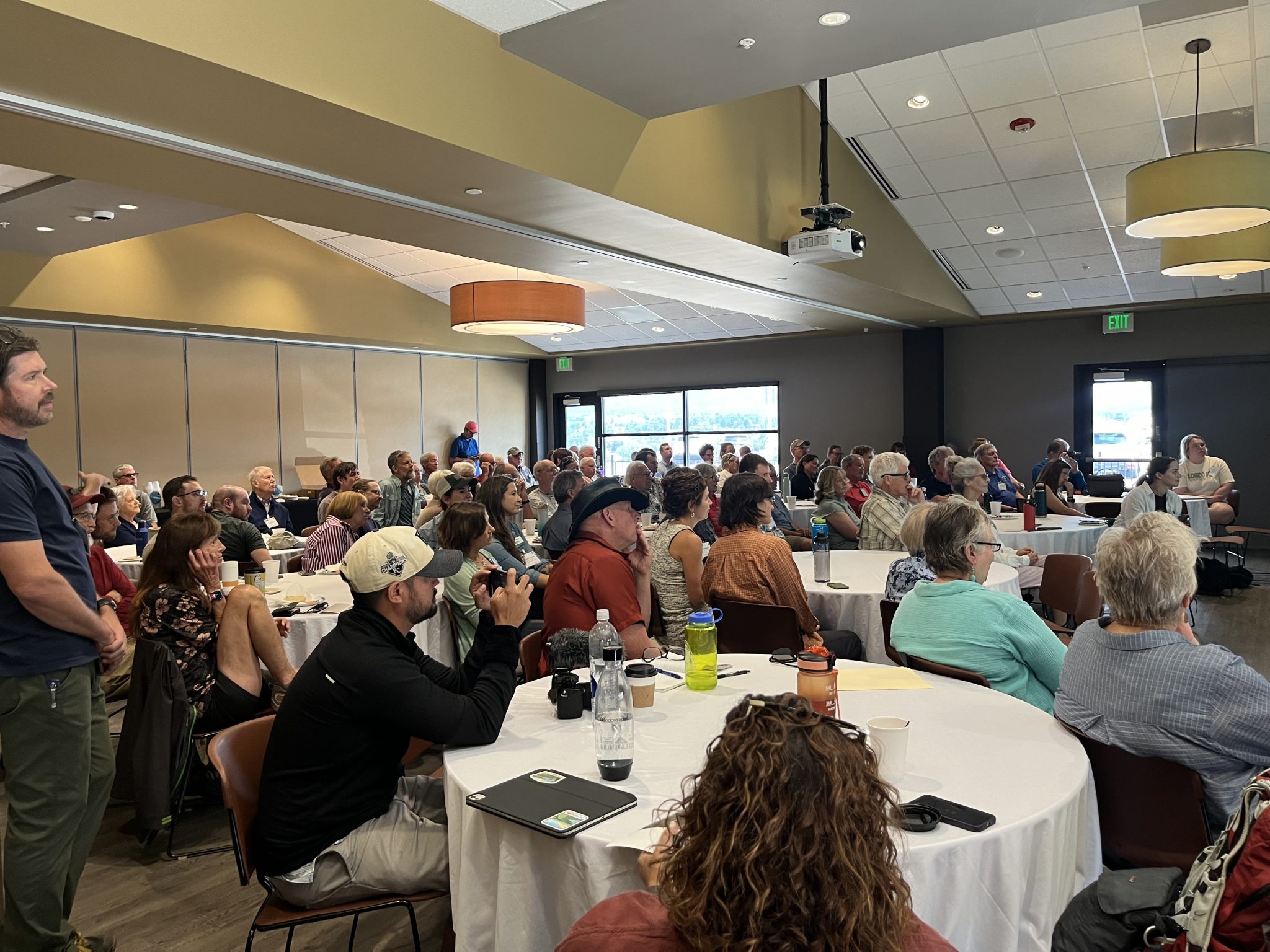
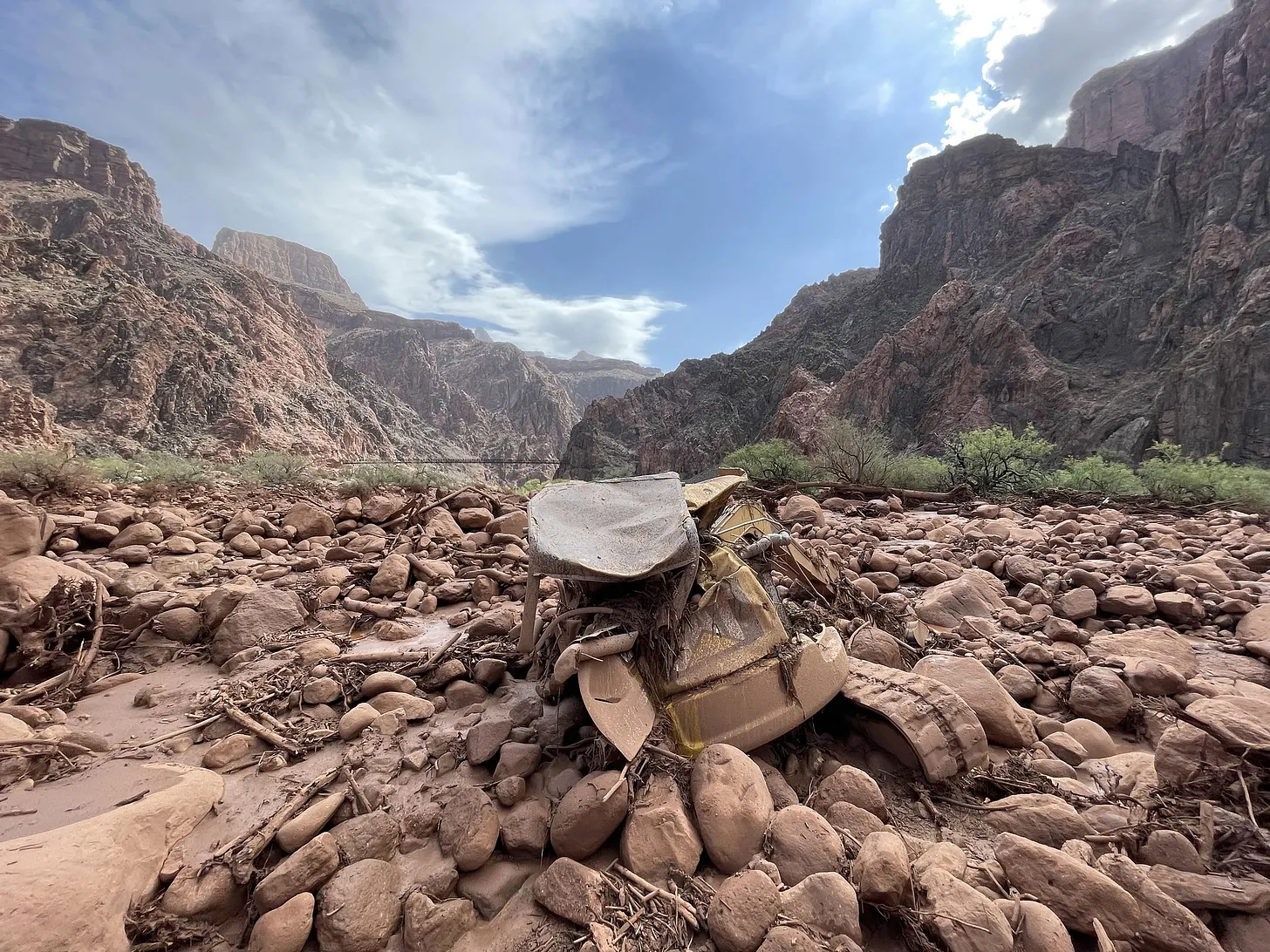
Click the link to read the article on The Land Desk website (Jonathan P. Thompson):
September 4, 2026
🌵 Public Lands 🌲
The Trump administration continues its crusade to make America’s public lands motorized again. This time it’s the Forest Service launching a revamp of its travel management rule by “simplifying regulatory requirements” to “increase access, including for motorized vehicles, e-bikes, and other mobility devices.” The move follows, and is an attempt to implement, President Donald Trump’s rollback this summer of Nixon-era restrictions on off-highway vehicles on public lands. Comments are being accepted on the proposal until Sept. 23.
This rule would bolster the administration’s rollback this summer of the 2001 Roadless Rule, which prohibits roadbuilding and commercial timber operations — with exceptions — on 45 million acres of National Forest lands.
The current action starts the process of developing an environmental impact statement, which will give more specific details. But the notice of intent gives an overall look at what the administration proposes. Most basically, it aims to open the door for individual forests to relax motorized travel restrictions and open currently closed areas to the vehicles. The “public access rule,” as they’re calling it, would:
- “… establish a presumption that existing roads, trails, airfields, trailheads, and other access routes and points on NFS lands are open to appropriate public use,” unless the closure is required by law (or other specific reasons). This is a switch from the current “closed unless designated open” policy to an “open unless closed” framework, with possibly dramatic effects.
- “ … establish a requirement to consider new roads, trails, airfields, trailheads, and other access routes and points where appropriate to increase access.” This appears to be aimed at optimizing, if you will, the Roadless Rule rollback by encouraging new roadbuilding.
- “… establish processes and conditions for authorizing limited off-route motor vehicle and other motorized equipment use for, among other things, downed big-game retrieval, firewood collection, dispersed camping, and for designating areas for over-snow and other motorized recreation.” This one’s pretty scary, because it would open the door to allowing OHVs or snowmobiles to drive just about anywhere in a forest (except in designated wilderness areas).
You have until Sept. 23 to weigh in on the proposal. To do so electronically (preferred)through the Federal eRulemaking Portal, go to https://www.regulations.gov, docket number FS-2026-0100, and look for the COMMENT button. Or send snail mail to: Director, Public Benefits, 201 14th Street SW, Public Benefits Office, Washington, DC 20250.
The arrogance of the off-road vehicle lobby — Jonathan P. Thompson
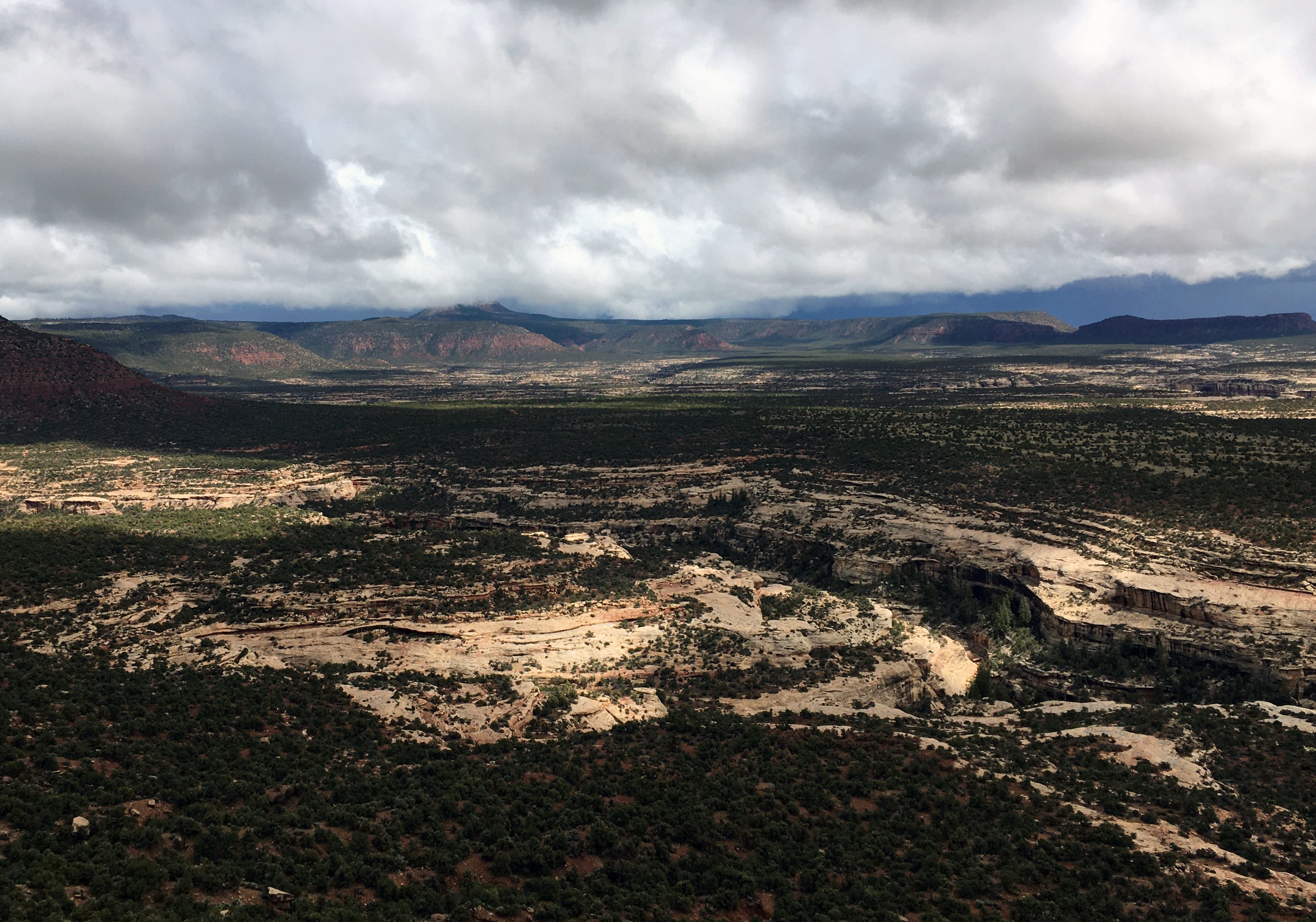
Several tribal nations, advocacy groups, and Patagonia have filed lawsuits — and/or revived dormant ones — seeking to block President Donald Trump’s proclamations this summer shrinking Bears Ears and Grand Staircase-Escalante National Monuments. The legal argument behind the lawsuits is clear and potent: The 1906 Antiquities Act authorizes presidents to establish national monuments, but not to shrink or revoke them. Therefore Trump’s 2017 and 2026 shrinkages are illegal and should not stand.
History backs the plaintiffs. In 1938, President Franklin D. Roosevelt sought to revoke the Castle Pinckney National Monument, a former military installation in South Carolina. His attorney general’s analysis, however, determined that the Antiquities Act “does not authorize [the President] to abolish [national monuments] after they have been established.” FDR, respecting the rule of law, let the monument stand. Eventually, Congress, which does have the power to alter national monuments, voted to revoke national monument status for the site.
In 2017, a quartet of legal scholars, including Mark Squillace, of the University of Colorado Law School, published their own analysis in the Virginia Law Review. They, too, found that in 1906 Congress did not delegate to the president the authority to downsize or abolish a national monument or weaken the protections granted by the original national monument proclamation. Furthermore, the Federal Land Policy Management Act of 1976 clarified that only Congress has the power to modify or revoke a national monument.
The cases likely will take years to wend their way through the courts, and may ultimately lead to a U.S. Supreme Court ruling on the power of the Antiquities Act.

🌨️🦦🚣🏽 Water Watch 🌊
While climate change-exacerbated drought most notably diminishes the amount of water in rivers, it also raises the temperature of streams, which is especially problematic for fish and other aquatic life. The Colorado River downstream from Glen Canyon Dam, which includes the long stretch through the Grand Canyon, is warming up fast.
When the river stalls out and becomes Lake Powell, the reservoir’s surface just sits in the sun and bakes, while the deeper waters remain chilly. Some fish, like non-native smallmouth bass prefer the warm water, and stay near the surface. When the reservoir is full, the depth of the water at the penstock intakes — where released water exits the dam — is too cold for the bass, so they aren’t likely to escape the reservoir into the river below. But as the surface level drops, the depth of the water at the penstock intakes on the dam decreases, meaning that the water released through the dam’s turbines and into the river below gets increasingly warmer — and is more likely to include warm-water fish.
Currently, Lake Powell’s surface is a mere 28 feet above the penstock intakes, meaning the released water is warm and includes a lot of bass. This, in turn, warms up the river below, making it more favorable to the invading bass, which prey on and compete with endangered native fish. Meanwhile, the warmer water stresses the trout, potentially harming the recreational fishery between Lees Ferry and the dam.
So in 2024 as it became clear low reservoir levels were chronic, the Bureau of Reclamation began doing “cool-flow mixes.” When the river water temperature downstream of the dam hit 59.9° F, dam operators would begin releasing cooler water from the lower river outlet tubes. This dropped the river temperature enough to help downstream fish, and hurt the bass.
This year, however, the feds halted the cool flow mixes to ensure that all releases go through the turbines and generate hydropower. The Grand Canyon Trust built a nifty online gadget that shows the consequences, which aren’t good: The water temperature at the monitor just below Soap Creek Rapid in the Grand Canyon soared above 70° F during the waning days of August, and has been above the cool-mix threshold for 78 days this year so far. Click on the interactive graph to see how water temperatures have changed over the years — and how well the cool-mix flows worked in 2024 and 2025.
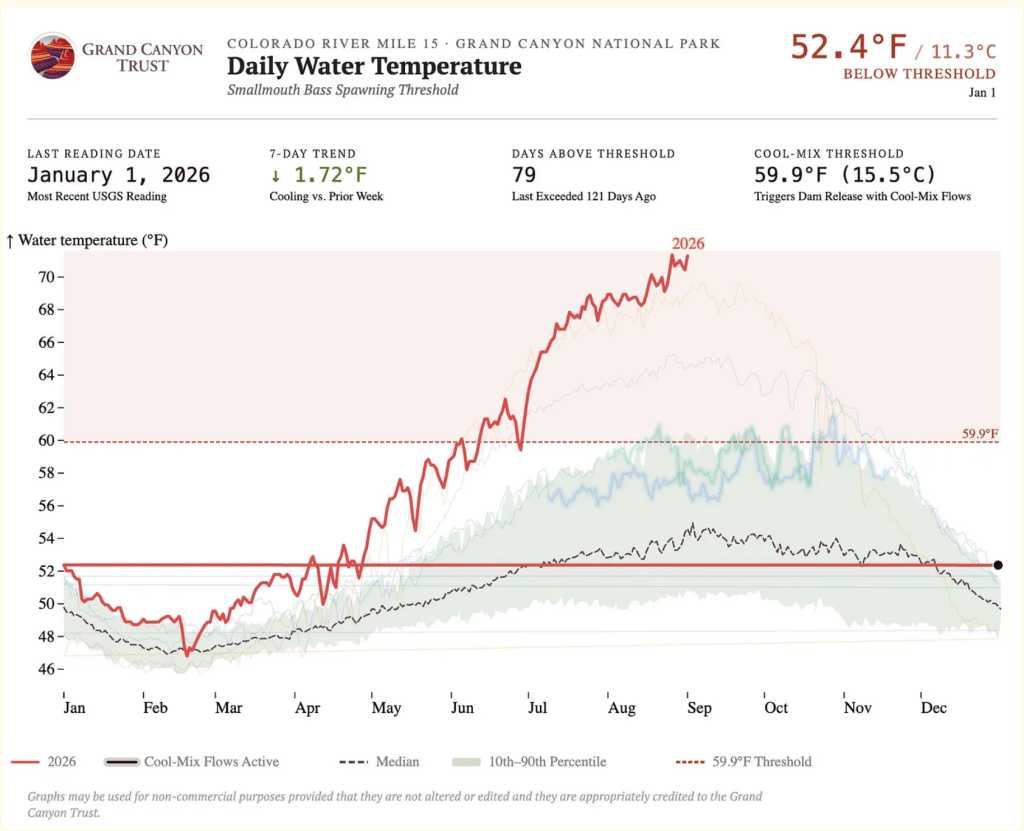
🤖 Data Center Watch 👾
The first data center project on public lands has been halted — for now.
On Tuesday, the Interior Board of Land Appeals granted a stay on the Townsite Solar 2’s planned data center on federal land near Boulder City, Nevada, blocking further development while legal challenges are considered. The order also expedites consideration of the appeals filed by environmental groups and the city.
In 2023, the Bureau of Land Management authorized Townsite Solar 2 to develop a solar-plus-storage installation on public land in southern Nevada. Then, in November 2025, before beginning construction on the solar facility, the firm requested an amendment to its right of way that instead would allow it to develop a hyperscale data center, a 70-megawatt battery energy storage system, a substation, and biodiesel generators on the same site. The BLM approved the amendment without conducting a new environmental review or public scoping after determining that the new project “is substantially the same” as the former one.
Both the Biden and Trump II administrations proposed opening national laboratories and other federal properties to data center development. However, this was the first such project to be approved for BLM land.
Boulder City, the Center for Biological Diversity, and the Sierra Club appealed the approval and requested the stay, arguing that the agency failed to adequately consider the data center’s potential impacts. The board’s ruling notes, “Appellants are likely to prevail on that question because the two projects are not ‘substantially the same.’” The board also determined the appellants “demonstrated that permanent and irreparable harm is likely to occur to its members’ aesthetic and recreational interests in the project site.”
⛏️ Mining Monitor ⛏️
Federal regulators on Tuesday approved the Navajo Transitional Energy Company’s proposed Navajo Mine expansion, authorizing the tribal-owned company to extract some 503 million tons of coal over the next 110 years. Yes, you read that right: The coal industry may be in decline, but these folks just got permitted to keep digging up the dirty fuel for over a century more, despite strong opposition from residents and advocacy groups.
The surface mine sits on the Navajo Nation north of Burnham and about 22 miles southwest of Farmington, New Mexico. It was built in the 1960s to serve the nearby Four Corners Power Plant, and remains the facility’s sole fuel provider.
NTEC says it needs the expansion to continue serving the plant until its closure; its primary owner, Arizona Public Service, plans to shutter the facility by 2041. After that the firm, which also owns coal mines in the Powder River Basin, would apparently try to peddle Navajo Mine coal elsewhere.
This has set off alarm bells for anyone concerned about the landscapes and air quality of the Four Corners region. Not only would the mine tear apart another 9,000 acres of land, displace residents and dwellings, and destroy dozens of historic cultural properties, but that coal would also be burned somewhere, releasing climate-warming and health-harming pollutants in the process. Also concerning is the prospect that the Four Corners plant, which has sullied the region’s air for more than 60 years, would continue operating indefinitely.
***
The San Carlos Apache Tribe, the Center for Biological Diversity, and the Lower San Pedro Watershed Alliance have filed a lawsuit seeking to stop further exploratory drilling or other development at Faraday’s proposed Copper Creek mining project. The groups accuse the Bureau of Land Management and U.S. Fish and Wildlife Service of failing to consider drilling’s impacts on endangered Mexican spotted owls that are known to inhabit the area.
The mine is proposed for about 78 square kilometers in the Galiuro Mountains east of Mammoth, Arizona, on private, state, and Bureau of Land Management parcels. Last June, the Bureau of Land Management approved Faraday’s plan to construct 67 drill pads, along with associated roads and infrastructure, and the company recently completed the first round of water-intensive drilling.
The complaint also says the BLM failed to consult with the San Carlos Apache Tribe, as required under the National Historic Preservation Act.
The water footprint of Arizona’s copper mines — Jonathan P. Thompson
📸 Parting Shot 🎞️


Click the link to read the article on the InkStain website (John Fleck):
September 2, 2026
At 2 p.m. Monday (Aug 31, 2026) the Albuquerque Bernalillo County Water Utility Authority, along with the Middle Rio Grande Conservancy District and Audubon Southwest, began releasing a pulse of water from Abiquiu Reservoir on the Rio Chama in Northern New Mexico as an experiment – what might a several day pulse of water do to help the aridification-starved riverside forests along New Mexico’s Middle Rio Grande?
Here’s Bernalillo County Commissioner Barbara Baca, chair of the ABCWUA board:

As I and others have written previously, we’re seeing extraordinary stress on the riverside trees, the ribbons of green that flank the Rio Grande through New Mexico’s largest city.
The tradeoffs that we talk about every fall semester in the water resources class I teach, tradeoffs among competing and conflicting values, are becoming real. The motivating question I’ve used in my writing on water since my old newspaper days was to ask, as pointedly as I could, “When supplies run sort, who actually doesn’t get water?”
Two answers have become increasingly obvious in recent years along the Middle Rio Grande. What we’ve come to call the “accordion” of irrigated agriculture is squeezing, as pastures and fields without the super-senior water rights that apply to some of the irrigated lands of New Mexico’s Middle Rio Grande (or a supplemental well) go dry.
“The environment” is the other.
The question has never been “What do we say we value?”, but rather “What do we value enough to give up water in some other place?” This is about tradeoffs. More water in one place – an irrigated field or the river channel itself – necessarily means less water in some other place. My “what do we value enough to give up water” formulation shifts this from a question of what we say we value to what we actually value enough to give up water to preserve?
Behind the scenes for the last couple of weeks there has been an extraordinary effort underway to scrounge up some water currently in storage upstream for other purposes, and to rapidly put in place the tools to monitor the results. Nobody’s quite sure how much water will get how far into the bone dry Albuquerque reach of the river, how far downstream the pulse will make it, what the results might be for the riverside forest.
For my whole professional life, long before I shifted from newspapers to writing books, I had a joke when something remarkable happened: “That’ll be great material for my book!” This is that.
Sun’s almost up, I’m off to chase the water.

Below is the Precipitation Accumulation in South Platte graph from the NRCS for September 7, 2026. This morning precipitation, at the SNOTEL stations, is at 76% of the median (up 1% one week), and 72% of the water year median (up 1% one week). There are 23 days left in the water year.
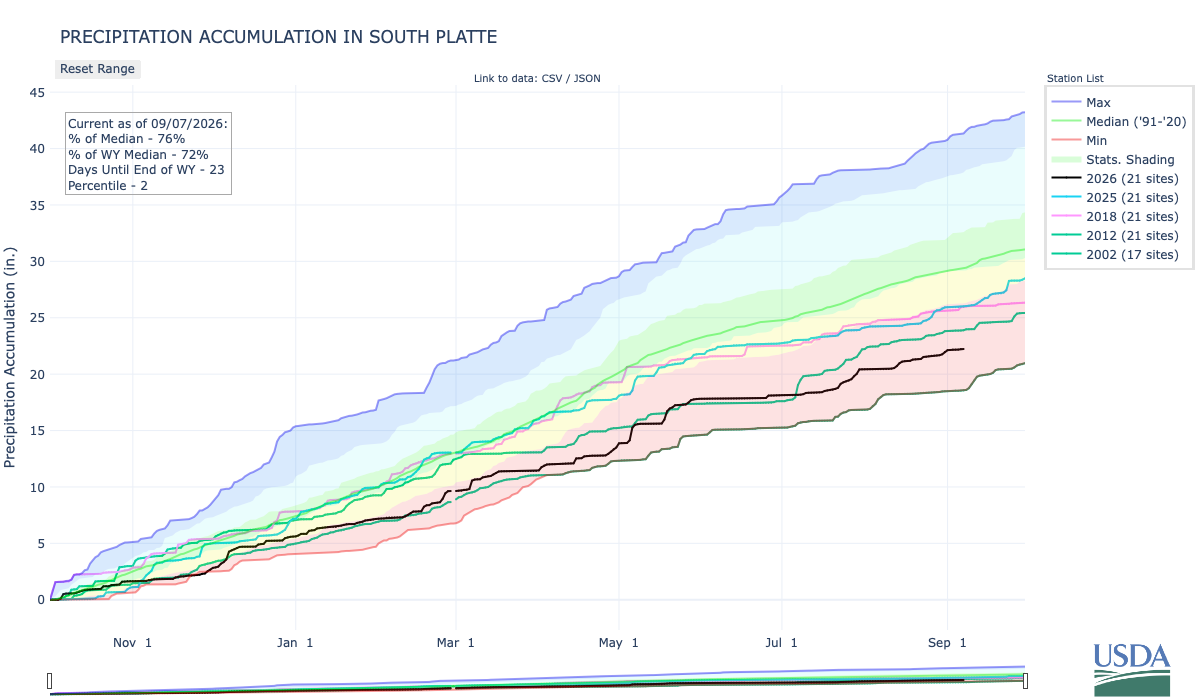
There is a slight chance for thunderstorms today, then a chance of showers and thunderstorms Saturday and Sunday in the central and northern mountains. There is a chance for thunderstorms today then a slight chance for showers and thunderstorms Saturday, and a chance for showers and thunderstorms Sunday, down here about 55 miles from Berthoud Pass, where the Berthoud Pass Ditch brings water to Clear Creek from the Fraser River. From Clear Creek County:
The little stone bridge at the Summit is hard to see, but it is still used both by U.S. Highway 40 and the Berthoud Pass Ditch. When viewed from the north side of the road, and behind the new wetland constructed as part of the U. S. Highway 40 widening project, the bridge can be seen and is the same design as three others on the Grand County side of the Pass. A culvert funnels the water from the Ditch under this bridge and across U.S. Highway 40. The Berthoud Pass Ditch is now owned by the City of Northglenn. The ditch has long been a part of the history of Grand County and Berthoud Pass.
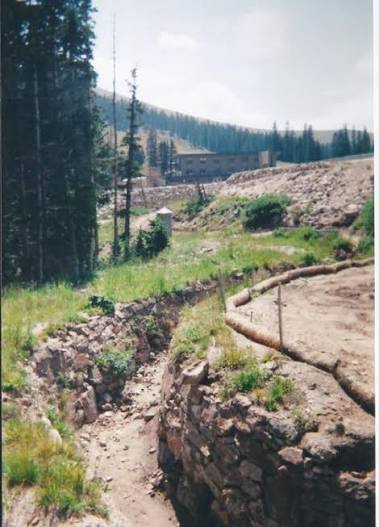

Here’s a look at the 7-Day Colorado precipitation map through September 5, 2026 from the High Plains Regional Climate Center. Precipitation in the South Platte Basin along the Continental Divide of the Americas ranged from 0.10” to 1.20”.

Here’s the 7-Day percent of normal precipitation map through September 6, 2026 from the High Plains Regional Climate Center. Precipitation in the South Platte River Basin along the Continental Divide of the Americas was 25% to 125% of normal.
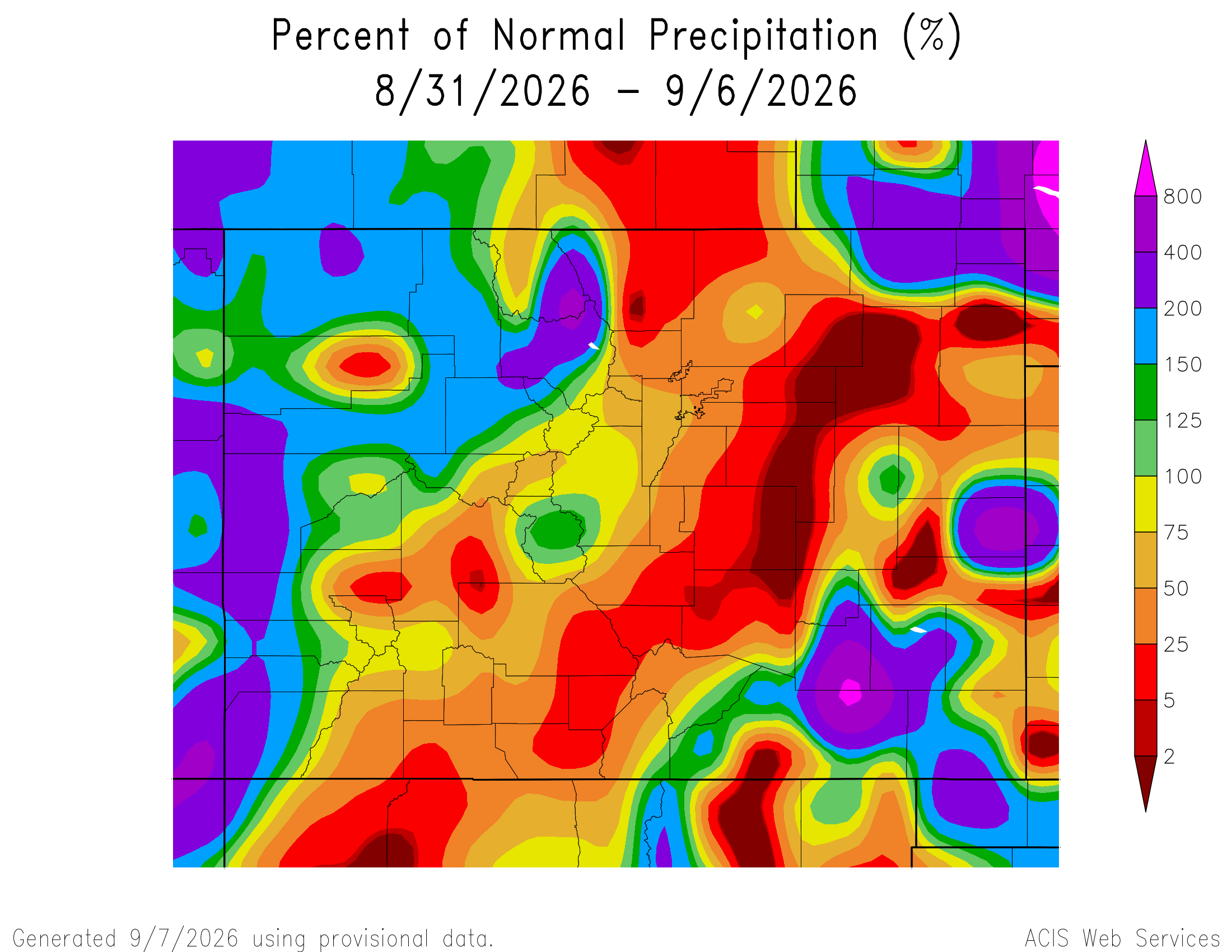
Below is the 7-day Quantitative Precipitation Forecast for the week of September 7, 2026. Precipitation is anticipated for the mountains of the South Platte River Basin and may total up to 0.50″.
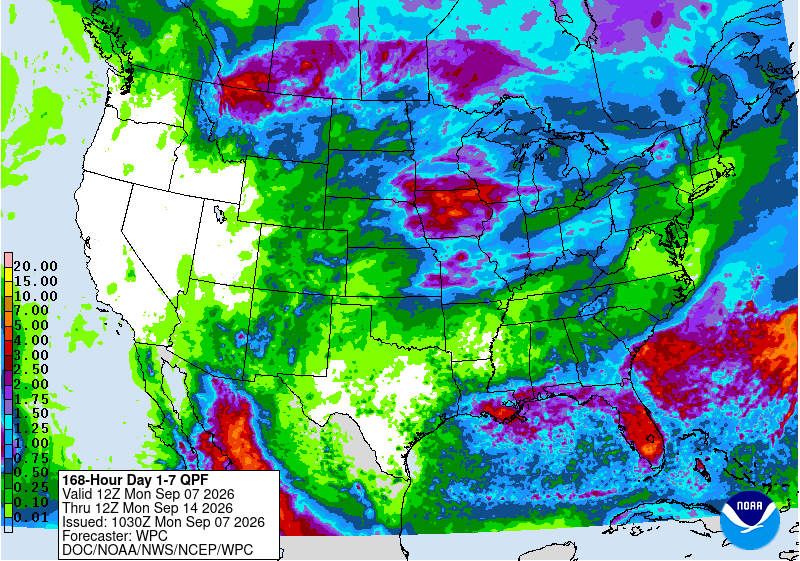
Below are the 8-14 day outlooks from the Climate Prediction Center, issued September 6, 2026, for temperature and precipitation, for the week starting September 14, 2026. The CPC expects above normal temperatures and above normal precipitation for the mountains of the South Platte River Basin.
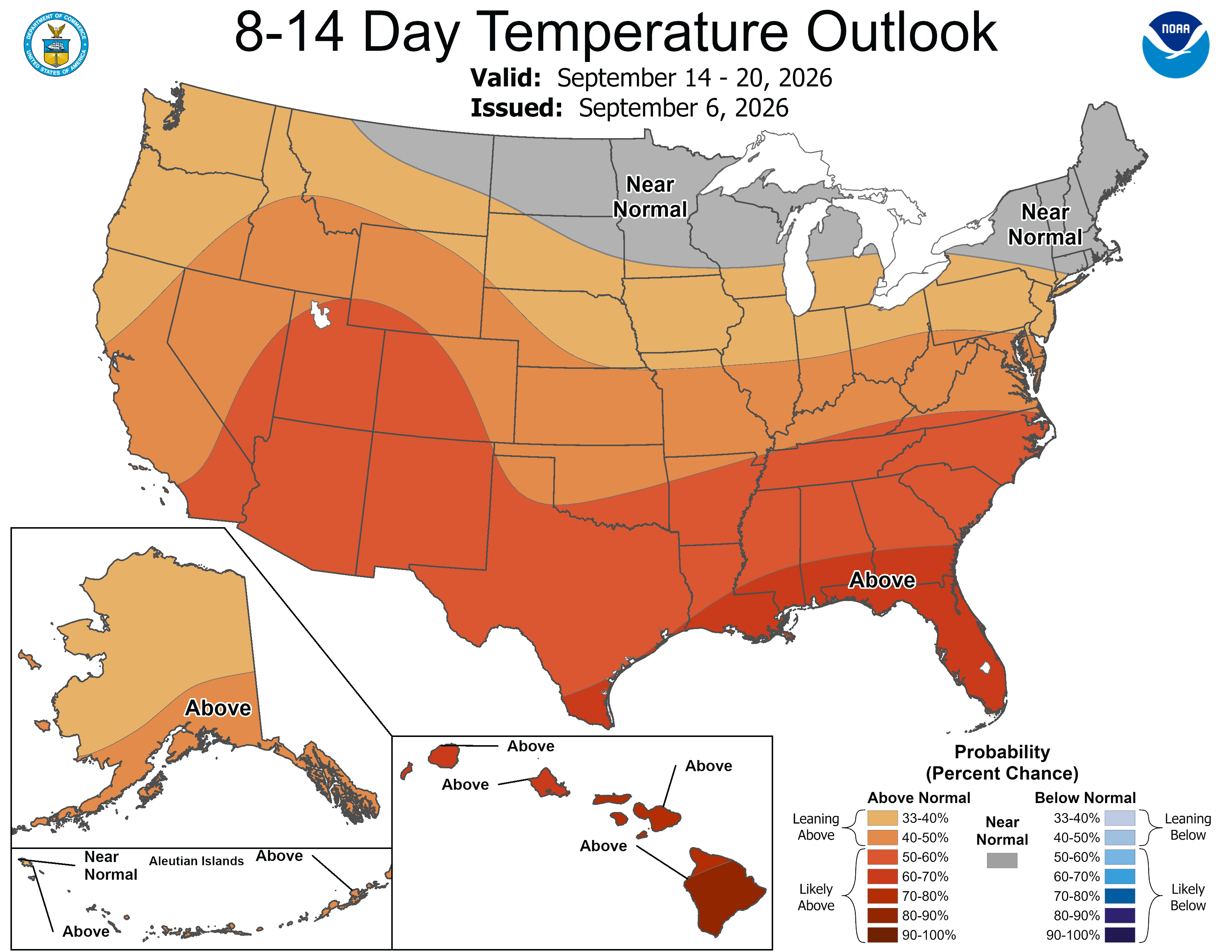

Below is the Colorado Drought Monitor map from September 1, 2026. There were one class improvements in Douglas, Arapahoe, Adams, Morgan, Weld, and Logan counties. Drought and abnormal dryness covers 93.81% of Colorado. The South Platte Basin is experiencing Abnormally Dry, Moderate, Severe, Extreme, and Exceptional drought conditions.
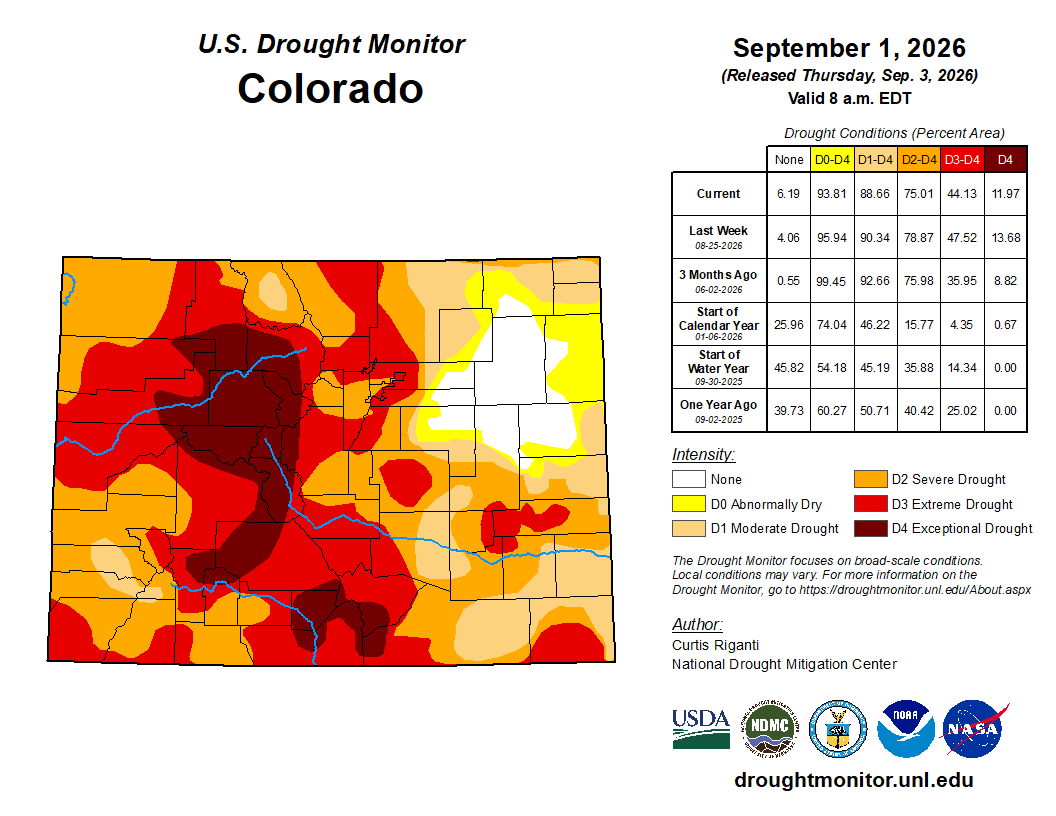
Below is the Colorado Drought Monitor one week change map ending September 1, 2026.
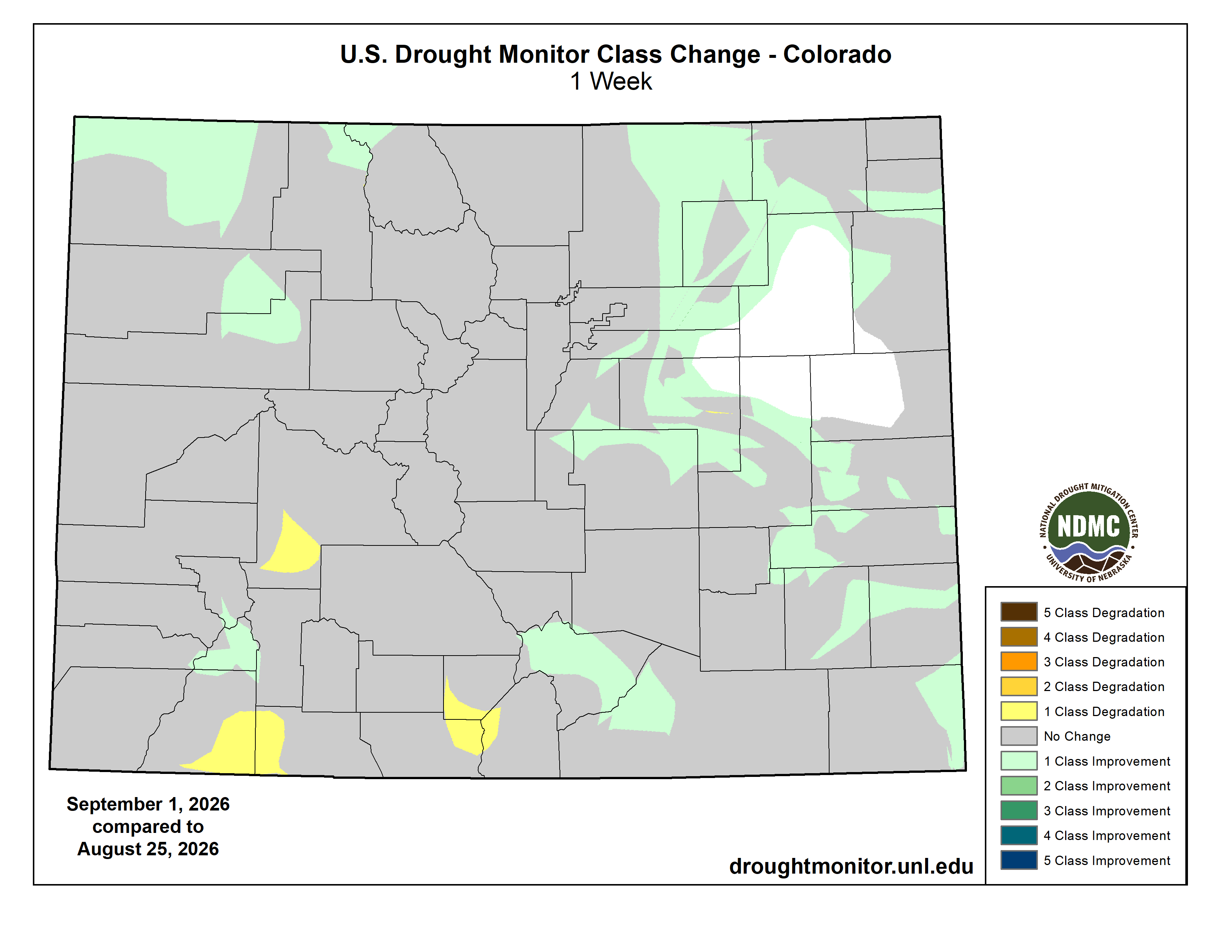
Here’s the US Drought Monitor Map from last week along with the one week U.S. change map.
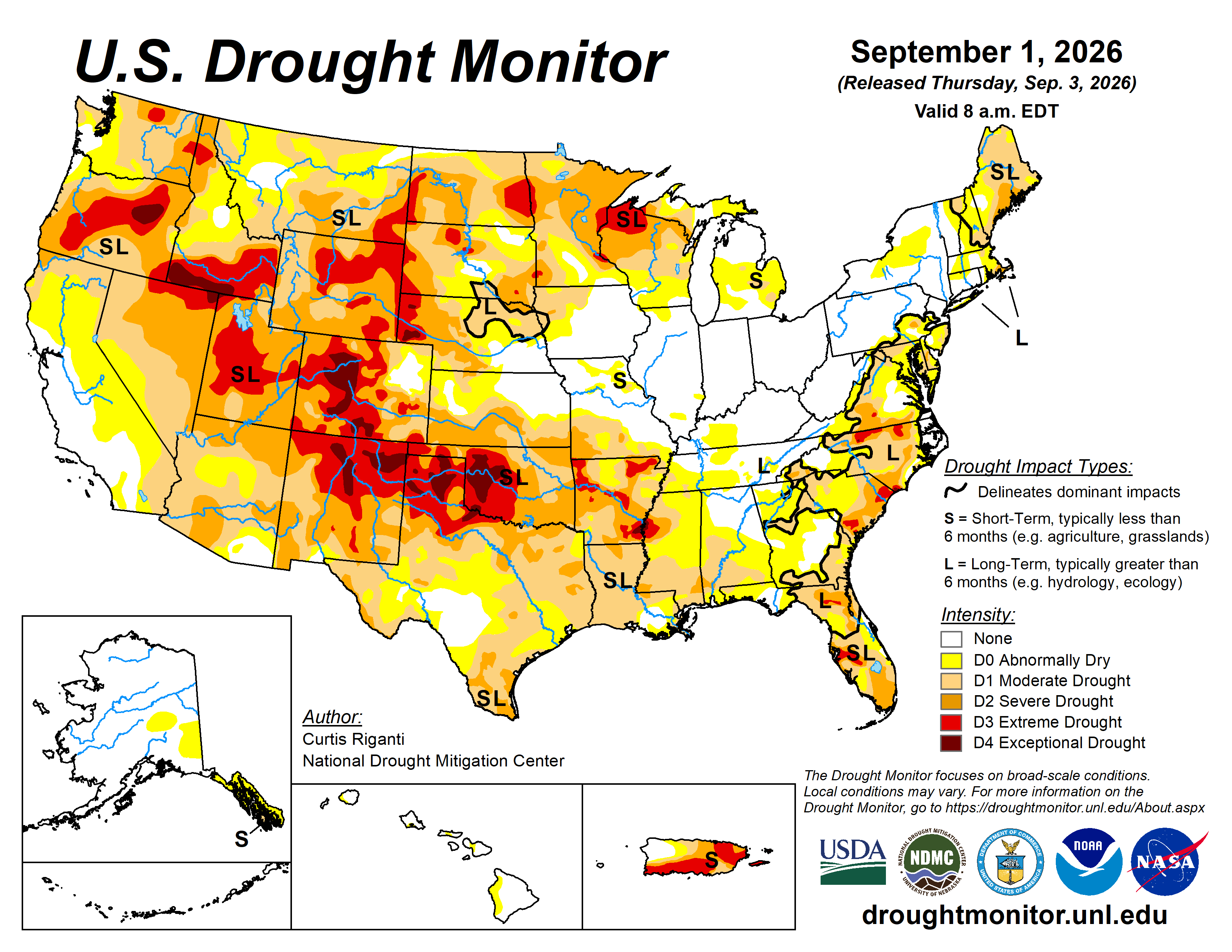
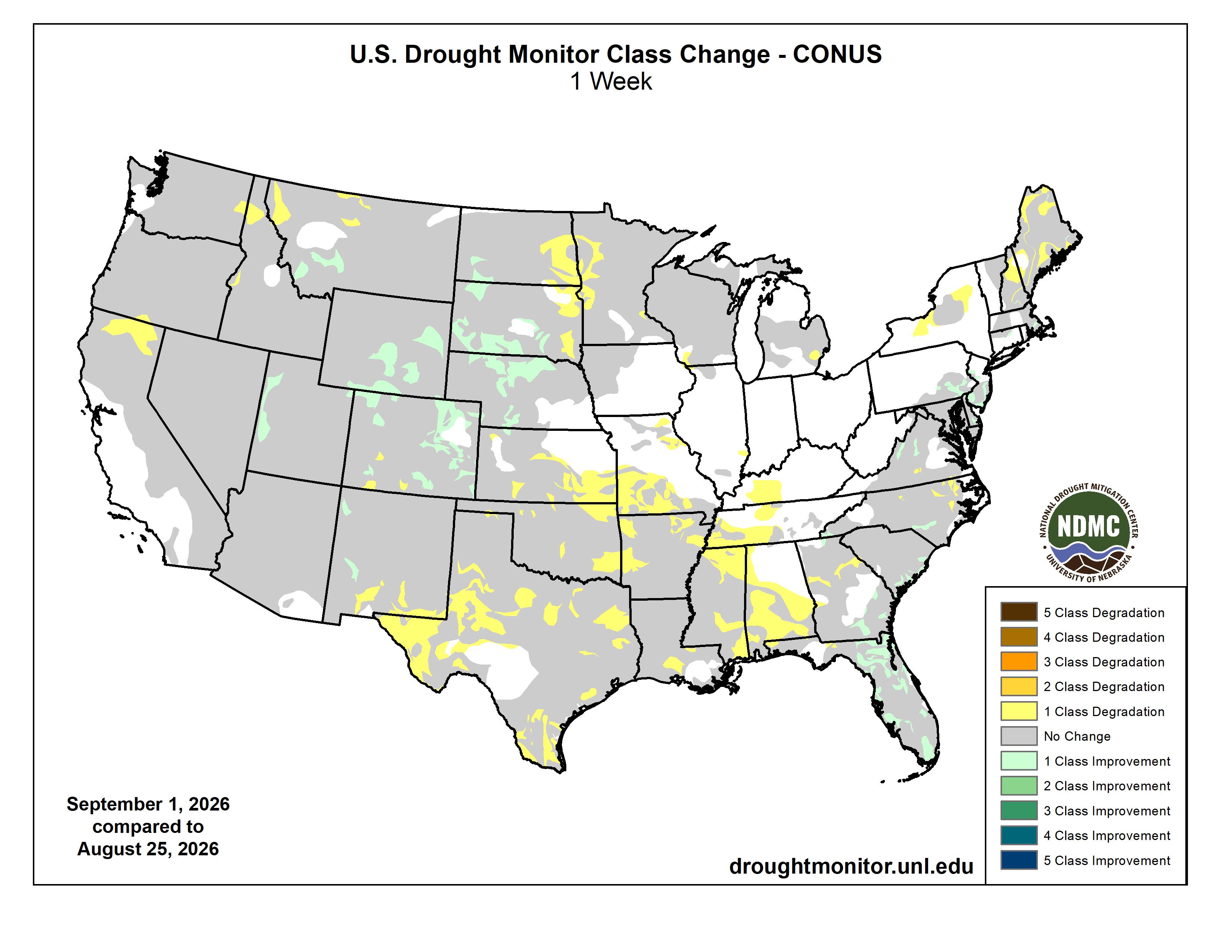
Finally, Peter Goble recently wrote, What Super El Niño Means for Colorado, on the Colorado Climate Center blog. From the post:
Historical correlation analysis shows El Niño is also linked to changes in Colorado weather, where conditions are generally wetter during El Niño years (image 5). This is especially true in fall and spring, when much of the state averages higher precipitation. Furthermore, the Front Range and Eastern Plains are more prone to large spring snowstorms and experience fewer dry and windy spring days (though such days remain frequent regardless). Unfortunately, the link between the El Niño–Southern Oscillation (ENSO) and peak seasonal snowpack levels in Colorado is weak. Southern river basins, such as the San Juan and Rio Grande, show a loose positive correlation between El Niño and snowpack.
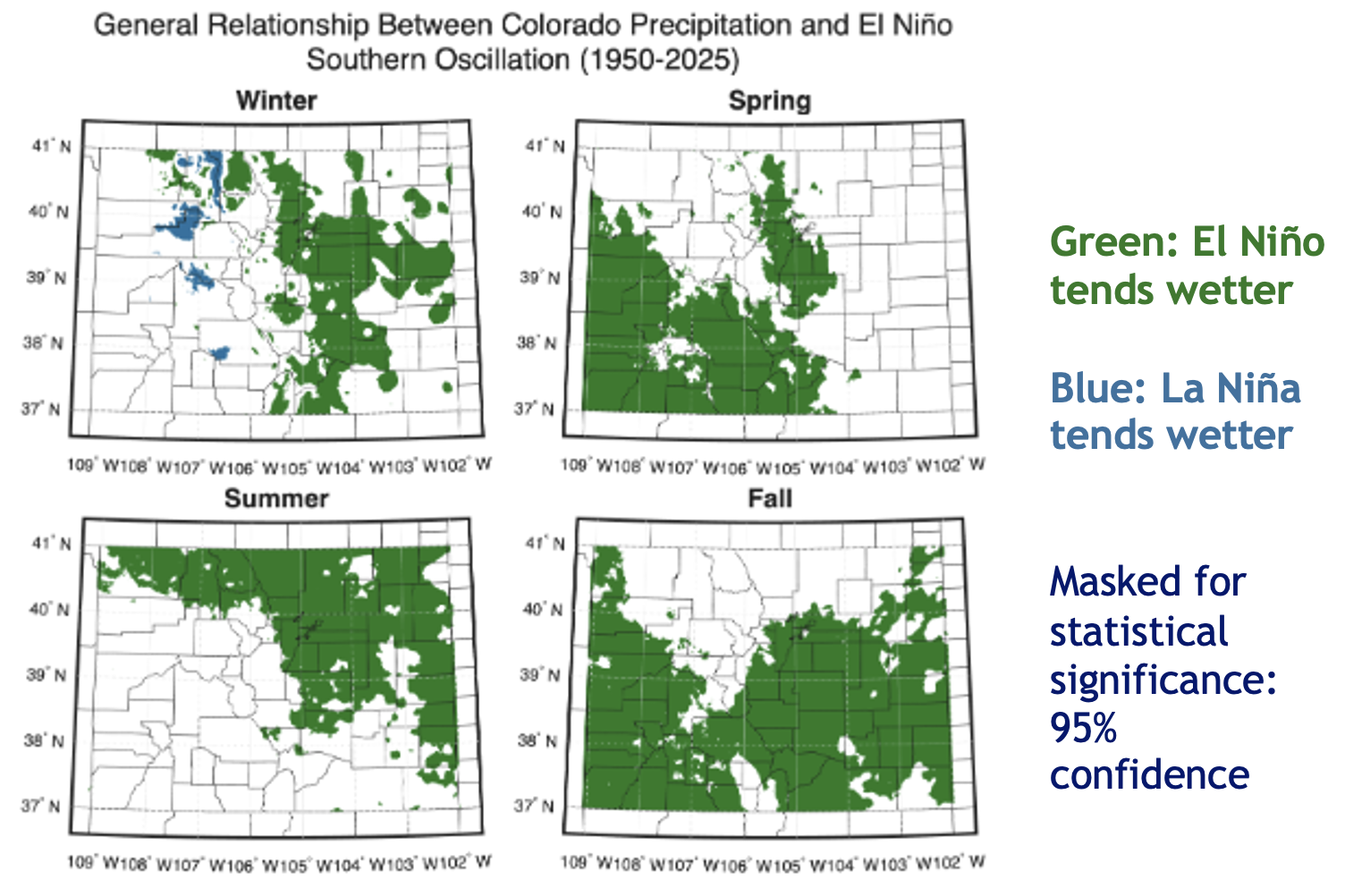
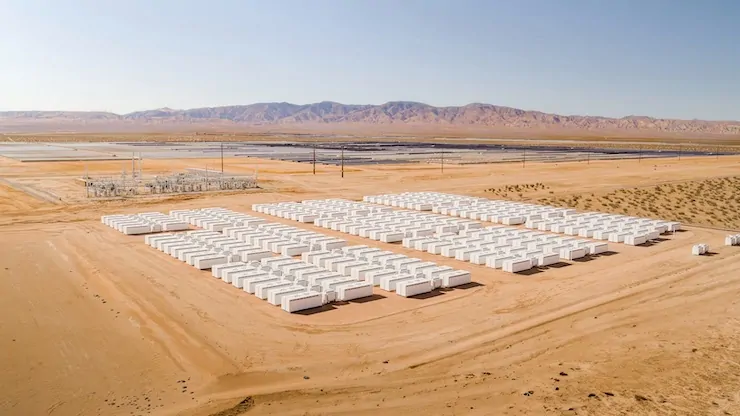
Click the link to read the article on the Big Pivots website (Allen Best):
September 4, 2026
The integration of batteries into Colorado’s energy picture continues, this time in Pueblo. There, Black Hills Energy has announced plans to add 50 megawatts of storage that will enable it to capture excess renewable energy when it is available.
The four-hour Tesla Megapack batteries (pictured above) will be located next to the company’s 420-megawatt natural gas plant near the Pueblo Airport. However, the intent is to use the batteries to store excess electricity generated by the company’s three wind installations in southern Colorado. They have a combined capacity of 149 megawatts.
“We’re very proud that our company’s first large-scale battery storage project will be built right here in Pueblo,” said Campbell Hawkins, vice president of Colorado Utilities at Black Hills Energy.
Black Hills expects to have the battery storage in place by late 2027. The company explains that batteries will enable it to better meet peak demands, such as on hot summer evenings, with renewable energy.
This is part of the company’s work to reduce greenhouse gas emissions 80% by 2030 as compared to 2005, as required by Colorado law.
The batteries in Pueblo can best be understood as part of a near explosion in energy storage in Colorado during the last two to three years. The amount of storage now on line is remarkable given that the very first _ and very small — set of batteries were put into place in 2018 at the United Power headquarters along I-25. And that 4 megawatt-hour of battery storage remained the largest in Colorado until 2022.
For a short recap of the battery story in Colorado, see this short story from Big Pivots in March: “Why big batteries are a Colorado game changer.” Or this longer piece, “How batteries are changing Colorado’s energy game.”
American Clean Power will host its Recharge conference in Colorado on Sept. 22-24. The opening session will include a very strong Colorado component on its opening day with both Eric Blank, chair of the Colorado Public Utilities Commission, and Chris Hansen, CEO of La Plata Electric, having half-hour time slots. See more here.
At Pueblo, project partners are Linxon, a global engineering, procurement and construction company, and Cloudbreak Energy, a national developer and independent power producer of distributed resources and utility-scale solar and storage projects.
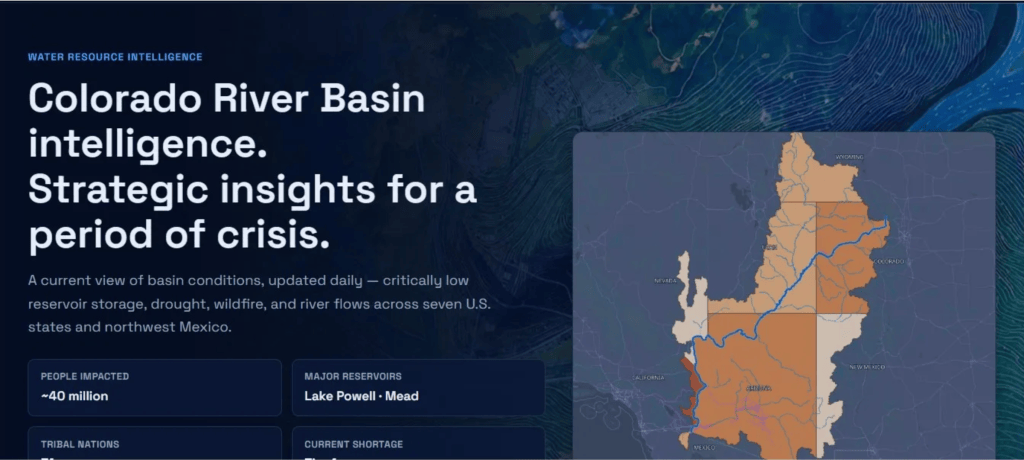
Click the link to read the release on the Circle of Blue website (J. Carl Gantner):
August 27, 2026
Circle of Blue and True Elements Launch Situation: Colorado River from Stockholm World Water Week
- Colorado River faces a “collective nightmare.”
- New platform delivers a shared view to help inform decisions and collaboration.
- Situation: Colorado River is part of Designing Water’s Future, the initiative to create “a new operating system for the world’s fresh water” — aligning across finance, policy, media, and innovation.
STOCKHOLM (August 27, 2026) — As some 2,000 experts gather for World Water Week to address global water challenges and solutions, Circle of Blue and True Elements today launch a new, live data, information and context platform for the Colorado River basin, which faces unprecedented stress as the river and its reservoirs set record lows that are forcing a dramatic reset of water use across the American West. The river supports approximately $1.4 trillion in annual economic activity and 16 million jobs across seven basin states, 30 Tribal Nations, and northwestern Mexico.
Situation: Colorado River begins with real-time and historical data collected into a strategic, user-friendly dashboard. In the face of increasing stress on the basin, the team, which includes reporters from Circle of Blue, will add on-the-ground context to deliver critical insights for policymakers, negotiators, journalists, businesses, and the public.
The core data is assembled from True Elements’ TrueQi system — an advanced and comprehensive resources platform that includes satellite observations and river gauges as well as drought indicators, wildfire detections, and reservoir measurements.
The platform arrives at an inflection point for the American West as Lake Mead and Lake Powell reach record low levels amid a warming climate. The combined storage of the two reservoirs is now lower than at any point since 1957 — before Glen Canyon Dam existed. Ninety-five percent of the basin remains in drought.
“The basin’s assumptions are being reset in real time, and everyone — federal, state, Tribal, corporate, business, communities — needs a trusted, shared view of what is actually happening,” said J. Carl Ganter, co-founder and managing director of Circle of Blue, the international nonprofit reporting on fresh water and its “nexus” intersections with food, energy, infrastructure, and health.
The TrueQi platform from True Elements collects real-time and historical federal, state, satellite, and sensor data across the Colorado River basin, the broader American West and globally. As it expands, Situation: Colorado River layers Circle of Blue’s journalism, along with reporting from network partners, on top of key data points, with additional context from academic and research collaborators.
“Real-time and cross-sector data is the foundation while the context makes it real and relevant,” said Kim Kobza, CEO of True Elements. “TrueQi already delivers the most granular water intelligence in the field. Pairing it with Circle of Blue’s award-winning reporting turns raw numbers into shared guidance.”
“Situation: Colorado River pulls the data together and makes it accessible to everyone making decisions under the pressure of declining water supplies. We do this with a sense of urgency, humility and collaboration in the face of increasing water crises globally,” Ganter said. It is part of Designing Water’s Future, Circle of Blue’s international initiative to better inform and align action across finance, policy, media, innovation, and the public.
The situation is forcing a reckoning for farmers, developers, cities, and industries, including silicon chip manufacturers and data centers. “We have a colossal failure to act in the face of an inevitable collective nightmare — and all the predictions are coming true faster than we thought,” Felicia Marcus, past chair of the California State Water Resources Control Board, told Circle of Blue.
As the basin’s operating assumptions are tested, Situation: Colorado River asks a core question:
What data points and contexts are necessary to inform the most important decisions across the Colorado River basin, and how can new data and intelligence approaches be applied across the U.S. and globally?
The initiative launches with a call for public and expert input at an historic moment. Submit thoughts, questions, suggestions and corrections to coloradoriver@circleofblue.org. This will shape the initiative’s next iterations of data selection and analysis, editorial focus and priority coverage.
Also available now is Water Savvy 3.0, a free mobile app from True Elements available on the Apple App Store that puts real-time water quality data, alerts and reporting into the hands of the public and students.
The platform is live online today from Stockholm. It is free and designed to be a trusted source for newsrooms, businesses, policymakers, academic researchers, students and the public. A more comprehensive enterprise insights system is available to businesses, agencies, and governments. Circle of Blue original content publishes under a Creative Commons Attribution-NonCommercial-NoDerivatives 4.0 International (CC BY-NC-ND 4.0) license.
